Bangkok’s position as Southeast Asia’s premier aviation hub means millions of travellers pass through its airports annually, making efficient navigation and transfer arrangements crucial for a successful visit. The city operates two major international airports – Suvarnabhumi (BKK) and Don Mueang (DMK) – each offering distinct advantages and challenges for arriving passengers. Understanding the intricacies of these facilities, from immigration procedures to ground transportation options, can transform what might otherwise be a stressful arrival into a seamless transition to your Thai adventure. Modern travellers demand efficiency, comfort, and value when moving from aircraft to accommodation, and Bangkok’s airports deliver these requirements through diverse transport networks and well-designed terminal facilities.
Suvarnabhumi airport terminal navigation and ground transport infrastructure
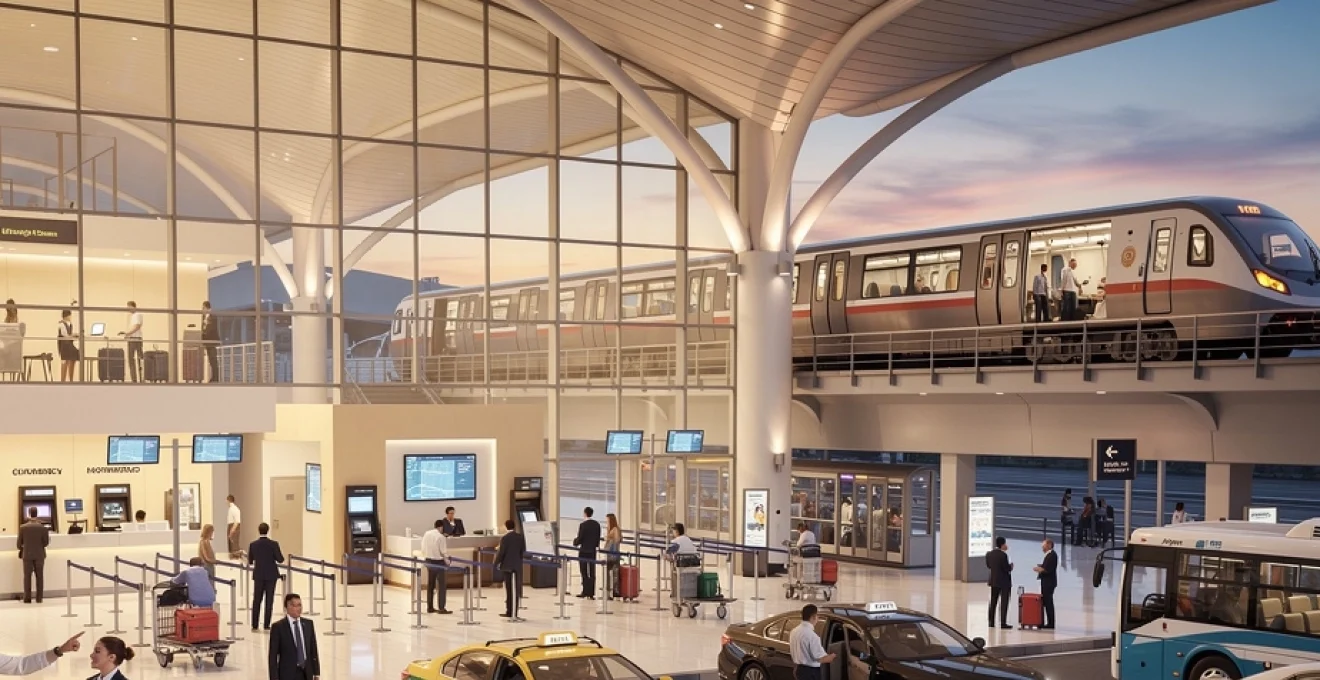
Suvarnabhumi Airport stands as one of Asia’s most impressive aviation facilities, featuring a massive terminal complex that processes over 60 million passengers annually. The airport’s design prioritises passenger flow efficiency, with clear directional signage in both Thai and English guiding travellers through each stage of their arrival journey. The terminal’s distinctive architectural features, including soaring ceiling heights and extensive use of natural light, create an welcoming atmosphere that helps reduce travel fatigue.
The ground transport infrastructure at Suvarnabhumi represents a masterclass in multi-modal connectivity, offering everything from high-speed rail connections to traditional taxi services. The basement level houses the Airport Rail Link terminus, whilst the ground floor accommodates public taxis, private transfers, and ride-hailing services. This vertical separation of transport modes eliminates congestion and provides clear wayfinding for passengers selecting their preferred departure method.
Immigration processing procedures and fast track services at BKK
Immigration processing at Suvarnabhumi has been revolutionised by the introduction of the Thailand Digital Arrival Card (TDAC) system, which must be completed within 72 hours before arrival. This digital transformation has significantly reduced processing times, though passengers should ensure they have their confirmation readily accessible on mobile devices. The immigration halls feature multiple lanes including express services for business travellers and elderly passengers, with automated passport scanners expediting the process for eligible nationalities.
Fast track services are available for premium passengers and can be purchased independently by travellers seeking to minimise airport transit time. These services include dedicated immigration lanes, baggage handling assistance, and expedited customs clearance. The investment in fast track services proves particularly valuable during peak travel periods when standard processing queues can extend considerably.
Baggage claim operations and porter services in arrival halls
The baggage claim area at Suvarnabhumi operates twelve carousels across two levels, with electronic display boards providing real-time flight information and carousel assignments. The system typically delivers baggage within 20-30 minutes of aircraft arrival, though this timeframe can extend during busy periods. Oversized baggage and special items are processed through dedicated collection points adjacent to the main carousel area.
Professional porter services are available throughout the baggage claim area, offering assistance with luggage transport to ground transportation points. These services operate on a fixed-rate basis, eliminating the uncertainty of negotiated pricing. Travellers with mobility restrictions or excessive luggage quantities find porter services particularly valuable for navigating the expansive terminal distances to transport pickup locations.
Currency exchange booths and ATM network distribution points
Currency exchange facilities at Suvarnabhumi operate 24 hours daily, providing competitive rates for major international currencies. The airport hosts multiple exchange providers, creating healthy competition that benefits travellers through improved exchange rates compared to typical hotel or tourist area facilities. Exchange booths are strategically positioned throughout the arrivals area, ensuring accessibility regardless of which immigration channel passengers utilise.
The ATM network within Suvarnabhumi includes machines from all major Thai banks, offering multilingual interfaces and accepting international card networks. These machines dispense Thai Baht in various denominations, though withdrawal limits apply based on card issuer restrictions. International card holders should notify their banks of Thai travel plans to prevent automatic fraud protection systems from blocking transactions.
SIM card vendors and telecommunications setup areas
Telecommunications setup at Suvarnabhumi is streamlined through dedicated vendor areas offering SIM cards, mobile phone rentals,
cards, and eSIM activation support. Major Thai operators such as AIS, TrueMove H, and dtac maintain counters in the arrivals hall, allowing you to compare data packages and validity periods before committing. Staff are accustomed to setting up phones for international visitors, so you can typically leave the counter with a fully configured device ready for navigation, ride-hailing apps, and messaging.
For travellers relying on a “digital-first” experience, obtaining a local SIM card at Suvarnabhumi is often more reliable than depending on roaming alone. Package options usually include generous data allowances and limited local call minutes, ideal for using mapping apps or contacting your hotel or transfer provider. You should have your passport ready for registration, as Thai regulations require SIM card user identification. Activation times are generally rapid, with most services going live within minutes of purchase, ensuring connectivity before you exit the terminal.
Don mueang airport arrival protocols and transfer connectivity
Don Mueang Airport functions as Bangkok’s secondary international gateway and a major hub for low-cost carriers serving regional routes. While smaller than Suvarnabhumi, it still handles tens of millions of passengers each year, particularly on budget airlines such as AirAsia, Nok Air, and Lion Air. The airport has undergone multiple upgrades to improve arrival flows, but its layout can feel compact and busy during peak traffic periods. Understanding Don Mueang’s specific arrival protocols can help you navigate quickly from aircraft to ground transport without unnecessary delays.
Transfer connectivity from Don Mueang into central Bangkok has improved considerably over the last decade, with expanded bus routes, rail connections, and expressway links. However, options remain somewhat more limited compared to Suvarnabhumi, making advance planning especially prudent for late-night or early-morning arrivals. Taxi services, app-based rides, and dedicated airport buses form the core of ground transport, supplemented by private transfers arranged through hotels or specialist providers. As with any busy Asian airport, awareness of official service counters and licensed operators helps you avoid unregulated transport options.
Terminal layout configuration and passenger flow management
Don Mueang Airport is organised into two main passenger terminals: Terminal 1 for international flights and Terminal 2 for domestic operations. Arriving passengers follow a relatively straightforward path from aircraft to immigration, baggage claim, and customs, with directional signage in Thai and English guiding the way. The terminal layout emphasises linear movement, reducing the need for complex wayfinding, but bottlenecks can still occur at escalators and corridor junctions during simultaneous flight arrivals.
Airport authorities manage passenger flow at Don Mueang through queuing systems, roped-off lanes, and periodic deployment of crowd-control staff. Compared with Suvarnabhumi, the facilities feel more compact, which can be an advantage if you prefer shorter walking distances. However, when flights from multiple low-cost carriers land in quick succession, the arrival halls may feel congested. To maintain a smooth experience, you should follow posted signage carefully, avoid blocking corridor entrances, and prepare travel documents in advance of reaching immigration counters.
Domestic flight transfer procedures to international terminals
Many travellers use Don Mueang for domestic connections before flying internationally out of Bangkok or vice versa. If you are arriving on a domestic flight into Terminal 2 and connecting to an international service from Terminal 1, you will typically need to clear domestic arrivals and then follow the clearly marked signs for the international terminal. The walk between terminals is facilitated by an internal connector and covered walkways, reducing exposure to weather conditions.
Transfer procedures depend largely on whether your flights are booked on a single ticket or separate reservations. With a single booking, some airlines may offer through-checking of baggage and simplified transfer routing, whilst separate tickets usually require you to collect luggage, clear customs if applicable, and re-check bags at the international departure counters. Allow ample transfer time—at least three hours is advisable—to account for potential queues, terminal transfers, and security screening. Think of the process as changing trains at a busy interchange station; building in a buffer reduces stress if there are minor delays.
Ground transportation hub and Multi-Modal connection points
The ground transportation hub at Don Mueang is concentrated around the terminal forecourts and adjacent roadways, with clear zones for taxis, buses, and private vehicles. Public taxi stands operate on a ticketed system similar to Suvarnabhumi, and passengers should always join the official queue rather than accepting offers inside the terminal. Several public and airport shuttle buses connect Don Mueang to key transit nodes such as Mo Chit BTS station, Chatuchak area, and major intercity bus terminals.
Rail connectivity has been strengthened by the SRT Red Line suburban train, linking Don Mueang to Bang Sue Grand Station and other city districts. From these rail hubs, you can connect to the MRT network and, indirectly, the BTS Skytrain, creating a genuinely multi-modal travel chain. This integrated transport ecosystem functions like a branching tree, where Don Mueang forms one of the outer limbs feeding into a robust citywide trunk. As always, consider your luggage volume, travel time, and comfort preferences when deciding between rail, bus, taxi, or private transfer options.
Airport rail link system and suvarnabhumi express services
The Airport Rail Link (ARL) represents one of the most efficient ways to travel between Suvarnabhumi Airport and central Bangkok, especially during rush-hour road congestion. Operating from the basement level of the airport, the ARL connects to key interchange stations such as Makkasan (for MRT) and Phaya Thai (for BTS), enabling smooth transitions to Bangkok’s urban rail systems. Trains typically run every 10–15 minutes during peak times, with slightly longer intervals late at night, and journey times from the airport to the city centre average around 25–30 minutes.
Suvarnabhumi Express services, previously offered as non-stop premium trains, have been integrated into the broader ARL system, which still delivers reliable, time-efficient airport transfers. For many travellers, the ARL is ideal when carrying moderate luggage and staying near a BTS or MRT station, as it avoids unpredictable traffic conditions on the expressway. Tickets can be purchased from vending machines or staffed counters, with clear English instructions and fare displays. If you are travelling as a family or group, you may wish to compare ARL fares with the cost of a taxi or private transfer, as combined tickets for multiple passengers sometimes approach the cost of a door-to-door vehicle.
Licensed taxi operations and metered transport regulations
Licensed taxis remain one of the most popular airport transfer methods in Bangkok, thanks to their door-to-door convenience and 24-hour availability. Both Suvarnabhumi and Don Mueang operate structured taxi systems designed to protect passengers and ensure fair pricing via metered fares. Official taxi ranks are clearly signposted and typically use automated queueing machines that issue queue numbers and lane assignments. By following these systems, you significantly reduce the risk of encountering unlicensed drivers or inflated fares.
Metered transport regulations require drivers to activate the meter at the start of each journey and to display their taxi licence information inside the vehicle. Airport surcharges and expressway tolls are standard and should be clearly explained or visible on signage at the taxi counters. If a driver refuses to use the meter or attempts to negotiate a fixed fare far above typical rates, you are within your rights to decline the ride and return to the official queue. Think of the meter as your built-in price regulator; insisting on its use is one of the simplest ways to secure a fair deal.
Public taxi queue management and fare structure compliance
Public taxi queues at Bangkok’s airports are managed through designated pick-up zones where passengers collect queue tickets from automated kiosks. These tickets indicate the specific bay number where your taxi will arrive, streamlining the boarding process and reducing disputes over queue order. During peak arrival periods, you may experience wait times of 20–40 minutes, particularly at Suvarnabhumi, so factor this into your onward travel schedule.
Fare structures for metered taxis are regulated by the Thai Department of Land Transport, with base fares increasing incrementally based on distance and time spent in traffic. From Suvarnabhumi to central Bangkok, typical fares range from 300 to 500 THB, plus a 50 THB airport surcharge and any optional expressway tolls. Don Mueang fares are generally slightly lower due to shorter distances to some city districts but still follow the same regulatory framework. For transparency, you can request a printed receipt at the end of your journey, which can be useful for expense claims or reporting any concerns.
Grab and bolt Ride-Hailing pick-up zone protocols
Ride-hailing platforms such as Grab and Bolt have become integral to Bangkok airport transfers, particularly for travellers who appreciate upfront fare estimates and in-app navigation. However, pick-up protocols at Bangkok airports are subject to ongoing regulatory adjustments, meaning drivers cannot always collect passengers directly from the most convenient curbside locations. Instead, ride-hailing services typically designate specific pick-up zones in multi-storey car parks or secondary lanes, which are clearly indicated within the app once you confirm your booking.
To use Grab, Bolt, or similar apps effectively, you should ensure your mobile data is active and your location services are accurate before requesting a ride. The app will usually provide detailed instructions about which floor or zone to proceed to, often accompanied by a short walk or escalator ride from the arrivals hall. While this may seem less convenient than stepping straight into a taxi, the trade-off often includes more transparent pricing and cashless payment options. As with taxis, verify the licence plate and driver details before boarding to ensure you are entering the correct vehicle.
Airport limousine services and premium transfer bookings
For travellers prioritising comfort, privacy, or corporate standards, airport limousine services offer an elevated transfer experience. These premium vehicles—commonly sedans, SUVs, or executive vans—can be booked via official airport counters, hotel concierge desks, or specialist transport providers before arrival. Pricing is fixed based on destination zones and vehicle categories, eliminating the variability associated with traffic-dependent metered fares.
Premium transfer bookings often include additional amenities such as bottled water, in-car Wi-Fi, and professional English-speaking drivers trained in customer service. This option is particularly attractive for business travellers on tight schedules, families with young children, or visitors arriving after midnight who prefer a more controlled environment. When compared to standard taxis, limousine services can be likened to flying business class instead of economy—the core journey is the same, but the experience is noticeably more refined. If you value predictability and comfort above all else, pre-booking a limousine or private transfer is a sound investment.
Motorcycle taxi services and helmet safety requirements
Motorcycle taxis are a distinctive feature of Bangkok’s urban transport landscape, known for weaving through congested traffic and providing rapid point-to-point travel. While they are commonly found outside BTS and MRT stations and along major roads, their suitability as an airport transfer option is limited, particularly for travellers with luggage. Nonetheless, in some peripheral areas surrounding the airports, motorcycle taxis may form part of a multi-step journey, such as connecting from a nearby rail or bus stop to residential accommodation.
Thai law mandates helmet use for both riders and passengers, and reputable motorcycle taxi operators will provide a helmet as part of the service. For safety, you should decline rides where no helmet is offered or where the driver appears to disregard basic traffic regulations. Given the exposure to weather, road conditions, and higher perceived risk, motorcycle taxis are best reserved for short urban hops once you are settled in the city, rather than as your primary airport-to-hotel solution. If you are new to Bangkok, a taxi, rail link, or private transfer is generally a more comfortable and secure introduction to local transport.
Public bus network integration and route planning
Bangkok’s public bus network provides some of the most economical airport transfer options, linking Suvarnabhumi and Don Mueang to key districts across the metropolitan area. These services are integrated into the broader urban transport grid, connecting with BTS, MRT, and suburban rail lines at major hubs. For budget-conscious travellers or long-stay visitors, mastering airport bus routes can deliver substantial savings over multiple trips. However, buses may be slower and less predictable than rail or taxi options, particularly during heavy traffic or severe weather.
Effective route planning is essential when using Bangkok airport buses, as routes are designated by numbers and may follow complex paths through the city. Online mapping tools, official airport websites, and information counters can help you identify the most suitable service for your destination. Before boarding, consider whether your luggage volume and time sensitivity align with bus travel; if you are carrying large suitcases or arriving close to midnight, an alternative transfer method may be more appropriate. Think of the bus network as the capillary system of Bangkok’s transport body—excellent for reaching many points, but sometimes slower than the main arteries of rail and expressways.
A1 and A2 airport express bus service coverage
At Don Mueang, the A1 and A2 Airport Express buses are popular options for passengers heading towards the city’s northern transit corridor. The A1 line typically operates between Don Mueang and the Mo Chit BTS and Chatuchak Park MRT stations, providing a convenient connection to both rail systems and the iconic weekend market. The A2 service extends further into the city, serving additional stops along major roads such as Vibhavadi Rangsit and Victory Monument, which act as gateways to multiple bus and van routes.
Both routes are designed to run at frequent intervals during the day, often every 10–20 minutes, though actual timings can be influenced by traffic density. Fares are relatively low by international standards, making these buses attractive to backpackers and independent travellers who are comfortable handling their own luggage. Payment is usually made in cash onboard, so having small-denomination Thai Baht ready will speed up boarding. If you are staying near a BTS or MRT station along these corridors, the A1 and A2 services can form a highly cost-effective component of your Bangkok airport transfer strategy.
Local bus route 551 and 552 connection points
From Suvarnabhumi Airport, local bus routes 551 and 552 provide additional connectivity to different areas of Bangkok. Route 551 traditionally links the airport with Victory Monument, a major transport hub known for its extensive network of buses and vans heading to suburban and regional destinations. Route 552 serves the On Nut and Samut Prakan areas, connecting with BTS stations and residential districts along the eastern side of the city. These services cater primarily to local commuters but remain accessible to visitors comfortable with more utilitarian transport.
Connection points along these routes enable further transfers to the BTS Skytrain, MRT subway, and other local bus lines. While this level of integration can be powerful for experienced travellers, it may feel daunting if you have just landed from a long-haul flight. As with other public buses, luggage storage is limited, and vehicles may become crowded during rush hours. For that reason, 551 and 552 are best suited to light-packers, repeat visitors, or those whose accommodation lies directly along the bus route.
Night bus services and 24-hour transportation options
One of the key concerns for travellers arriving on late-night or early-morning flights is whether reliable transport will still be available. Bangkok’s airports address this through a combination of 24-hour taxi operations, limited night bus services, and pre-booked private transfers. While the frequency of public buses decreases substantially after midnight, certain routes continue to operate, especially those serving major highways and arterial roads. Checking the latest timetables in advance is crucial, as schedules can change due to operational adjustments or public holidays.
For absolute peace of mind, many visitors landing during off-peak hours prefer to rely on taxis or pre-arranged airport transfers that guarantee service regardless of the time. This approach minimises the risk of extended waits in sparsely populated bus bays or uncertainty about last departures. If you do opt for a night bus, ensure you board from official stops, keep valuables secure, and confirm the route and destination with the driver or conductor. Combining night buses with early-morning BTS or MRT services can be an efficient way to cross the city at a fraction of typical daytime travel times.
Hotel shuttle services and complimentary transfer programmes
Many hotels in Bangkok and surrounding destinations such as Pattaya, Hua Hin, and Ayutthaya offer shuttle services to and from Suvarnabhumi and Don Mueang. These range from fully complimentary transfers included in room packages to paid shuttles operating on fixed schedules. For travellers seeking a seamless experience, hotel shuttles can be particularly appealing, as they combine confirmed pick-up arrangements with drivers who know exactly where to deliver you. In some cases, shuttles operate from dedicated pick-up points at the airport, clearly signposted or communicated in your booking confirmation.
Complimentary transfer programmes are most commonly found at upscale hotels, airport hotels, and resorts catering to international guests. When evaluating accommodation options, it is worth comparing the value of included transfers against nightly room rates, especially if you are travelling as a family or group. A higher room rate that includes a round-trip airport shuttle may ultimately prove more economical than booking separate taxis or private cars. As always, clarify whether the transfer is shared or private, what hours it operates, and how to locate the driver or shuttle representative upon arrival.
For properties that do not operate their own shuttles, hotel concierges or front desks often partner with reputable transfer companies and can assist with advance bookings. This arrangement offers many of the advantages of a dedicated hotel shuttle—such as clear meeting instructions and fixed pricing—without requiring the hotel to maintain its own fleet. If you are staying outside central Bangkok, such as in beach destinations or provincial towns, coordinated hotel transfers can save you from navigating complex bus or van combinations on your first day. By aligning your choice of accommodation with your preferred airport transfer method, you set the stage for a smooth, confident start to your time in Thailand.