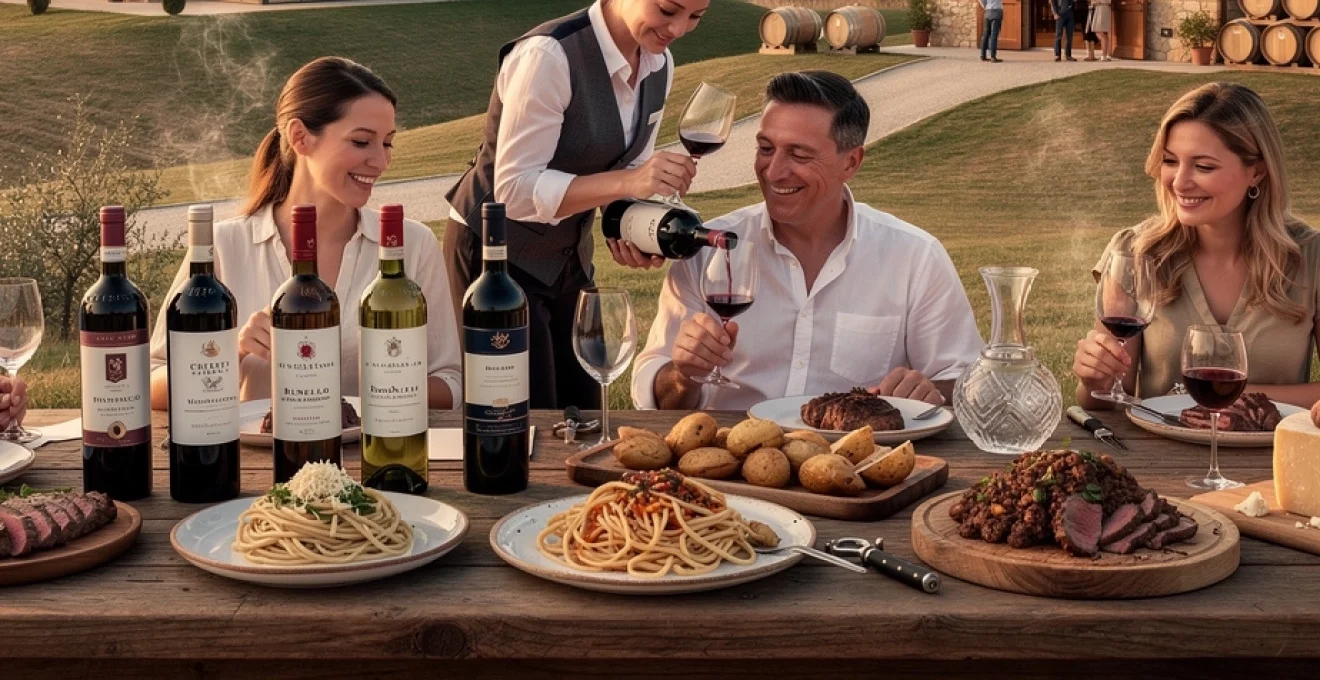
The rolling hills of Tuscany have long captivated wine enthusiasts from around the world, offering far more than picturesque landscapes and rustic charm. This legendary Italian region represents centuries of viticultural excellence, where ancient winemaking traditions merge seamlessly with modern innovation. From the sun-drenched slopes of Chianti Classico to the coastal vineyards of Bolgheri, Tuscany’s wine culture invites you to experience an evening that engages all your senses. The region’s denominazione system ensures quality standards that protect both heritage and reputation, whilst family-run estates continue producing wines that rival any in the world. When you raise a glass of Brunello di Montalcino or Vino Nobile di Montepulciano, you’re not merely tasting wine—you’re experiencing the culmination of generations of passion, expertise, and an unbreakable connection to the land.
Tuscan wine appellations: DOCG and DOC designations across the region
Understanding Tuscany’s wine classification system opens the door to appreciating the region’s complexity and diversity. The Denominazione di Origine Controllata e Garantita (DOCG) represents the highest quality designation in Italian wine law, guaranteeing strict production standards, geographical boundaries, and aging requirements. Meanwhile, Denominazione di Origine Controllata (DOC) wines maintain rigorous standards whilst allowing slightly more flexibility in production methods. Tuscany boasts eleven DOCG designations and over forty DOC zones, creating a tapestry of distinctive terroirs that produce remarkably different expressions from similar grape varieties.
Chianti classico DOCG: sangiovese terroir from greve to castellina
The heart of Tuscan winemaking beats strongest in Chianti Classico, where the iconic Gallo Nero (Black Rooster) symbol adorns bottles containing some of Italy’s most celebrated wines. Spanning approximately 70,000 hectares between Florence and Siena, this historic region produces wines that must contain at least 80% Sangiovese grapes. The diverse microclimates across communes like Greve, Panzano, Radda, and Castellina create subtle variations in flavour profiles, with higher-altitude vineyards producing wines with pronounced acidity and elegance, whilst lower slopes yield fuller-bodied expressions. Recent regulatory changes have allowed winemakers to experiment with 100% Sangiovese bottlings, showcasing the grape’s versatility when grown in these limestone-rich, well-drained soils known locally as galestro and alberese.
Brunello di montalcino: sangiovese grosso aging requirements and production zones
South of Chianti lies Montalcino, where Sangiovese Grosso—a clone selected specifically for its larger berries and concentrated flavours—creates one of Italy’s most prestigious wines. Brunello di Montalcino DOCG regulations mandate a minimum five years of aging before release, including two years in oak barrels and four months in bottle. The Riserva designation requires six years total aging. These strict requirements ensure wines of remarkable structure and longevity, with many bottles improving for twenty years or more. The 3,500-hectare production zone benefits from a warmer, drier climate than Chianti Classico, positioned between the Orcia, Asso, and Ombrone river valleys, creating wines with powerful tannins balanced by deep fruit concentration and distinctive earthy minerality.
Vino nobile di montepulciano: prugnolo gentile characteristics and vineyard altitude
Often overshadowed by its famous neighbours, Vino Nobile di Montepulciano deserves equal recognition for its distinctive character and historical significance. Here, Sangiovese takes on the local name Prugnolo Gentile, meaning “noble little plum,” referencing the grape’s characteristic plum-like aromas when grown in this specific terroir. The DOCG regulations require minimum 70% Prugnolo Gentile, with aging requirements of
two years and a minimum of one year in wood, resulting in wines that deftly balance freshness with complexity. Vineyards are often planted between 250 and 600 metres above sea level, where cooler night-time temperatures help preserve aromatic intensity and refine tannin structure. Compared with Brunello, Vino Nobile di Montepulciano typically shows a slightly softer profile, with red cherry, plum, and dried herb notes framed by bright acidity. Many estates still rely on a mix of large Slavonian oak casks and smaller French barriques, fine-tuning texture and spice. For travelers seeking a deep dive into Tuscan Sangiovese, tasting Vino Nobile alongside Chianti Classico and Brunello offers a compelling study in how altitude and microclimate can transform the same grape.
Bolgheri DOC: super tuscan blends and coastal vineyard microclimates
On Tuscany’s Tyrrhenian coast, Bolgheri DOC has become synonymous with the so‑called “Super Tuscan” movement—wines that originally broke free from traditional regulations to experiment with Bordeaux varieties. Here, Cabernet Sauvignon, Merlot, Cabernet Franc, and sometimes Petit Verdot play leading roles, often blended with a smaller portion of Sangiovese. The proximity to the sea moderates temperatures, with cooling breezes and high diurnal range helping grapes develop ripe tannins while retaining freshness. Soils range from sandy and alluvial near the coast to clay and gravel further inland, allowing producers to match specific grape varieties to the most suitable plots. The result is a style of Tuscan red wine evenings that feels almost Bordelais in structure, yet unmistakably Mediterranean in its wild herb, cypress, and maritime nuances.
Bolgheri’s rapid ascent since its DOC recognition in 1983 demonstrates how innovation can coexist with Tuscan tradition. Many estates emphasize low yields, precise canopy management, and meticulous berry selection to craft age-worthy wines that compete on the global stage. You will often find separate bottlings from different parcels or single vineyards, each telling a micro‑story of exposure, soil, and wind patterns. Visiting Bolgheri, you can move from informal tastings in village enoteche to architecturally bold wineries that echo the region’s modern, outward-looking spirit. If you’re planning a wine evening that showcases the full spectrum of Tuscan styles, including a structured Bolgheri blend alongside more classic Sangiovese-based wines creates a fascinating contrast.
Vernaccia di san gimignano DOCG: white wine heritage and volcanic soil composition
While Tuscany is dominated by red wines, Vernaccia di San Gimignano DOCG proves that the region can also excel with whites. Produced around the medieval tower town of San Gimignano, Vernaccia is one of Italy’s oldest documented wines, praised in texts dating back to the 13th century. The grape Vernaccia thrives on the area’s unique combination of sandy, limestone, and volcanic soils, which contribute to its hallmark minerality and saline finish. Regulations require that at least 85% of the blend be Vernaccia, with some producers opting for 100% to highlight its pure expression. On the nose and palate, expect citrus, white flowers, almond, and a subtle bitter finish that makes it highly food-friendly and ideal for warm summer wine evenings in Tuscany.
In recent years, several estates have experimented with lees aging and limited use of oak to add texture and complexity without overwhelming Vernaccia’s delicate character. Higher-altitude vineyards, often above 300 metres, deliver particularly vibrant acidity, which can surprise visitors used to richer Tuscan reds. Think of Vernaccia as the crisp white frame that enhances the picture of Tuscany’s red wine heritage, rather than competing with it. As you wander San Gimignano’s stone-lined streets, you’ll find plenty of opportunities to taste different interpretations—from fresh, youthful bottlings to more structured riserva versions. These wines demonstrate that Tuscan wine culture is not just about bold reds, but also about nuanced whites that reflect their volcanic and marine-influenced terroir.
Traditional tuscan wine estate experiences: fattorie and cantine
Beyond appellations and regulations, wine evenings in Tuscany come alive in the fattorie (farm estates) and cantine (cellars) that dot the countryside. These estates range from centuries‑old family holdings to cutting-edge architectural landmarks, yet all share a commitment to hospitality and a deep link with the land. Visits typically combine vineyard walks, cellar tours, and guided tastings, often followed by rustic dinners that stretch long into the evening. You are not just observing production; you are stepping into a living ecosystem where wine, olive oil, grain, and sometimes livestock coexist. In many cases, staying overnight in agriturismo accommodation on the estate transforms a simple tasting into a fully immersive Tuscan wine experience.
Antinori nel chianti classico: architectural wine tourism and underground cellars
Antinori nel Chianti Classico, located in Bargino between Florence and Siena, exemplifies how contemporary design can enhance wine tourism in Tuscany. Opened in 2012, the winery is a striking structure partially buried into the hillside, with terracotta hues that blend almost seamlessly with the surrounding vineyards. Two dramatic staircases descend into the heart of the building, leading visitors from the rooftop vines into vast underground cellars where barriques and botti rest in controlled conditions. This subterranean design not only reduces visual impact on the landscape but also ensures energy-efficient temperature regulation—an elegant marriage of sustainability and aesthetics. For many visitors, a wine evening here feels more like attending an art exhibition, with glass, steel, and stone framing every view of the rolling Chianti hills.
Guided tours at Antinori nel Chianti Classico typically include a walk through the production area, a visit to the family museum, and a comparative tasting of several Chianti Classico expressions. You can explore how different parcels of Sangiovese, sometimes blended with native grapes like Canaiolo or international varieties, reveal micro-terroir nuances within the same overall appellation. The estate’s restaurant, perched above the vineyards, offers menus carefully curated to highlight food and wine pairings, turning a simple tasting into a multi-sensory experience. If you’re wondering how modern architecture can complement centuries of tradition, an evening at Antinori provides a compelling answer. It’s a reminder that Tuscan wine culture is constantly evolving, yet still rooted in the same hills and grape varieties.
Castello banfi estate in montalcino: american oak versus slavonian oak aging
In the southern reaches of Tuscany, Castello Banfi near Montalcino showcases another facet of estate-based wine evenings: the interplay between science and tradition. The estate became renowned in the late 20th century for its research into Sangiovese clones and barrel aging, particularly its pioneering use of different oak types. In their extensive cellars, you will find both large Slavonian oak casks, which impart gentle oxidative aging, and smaller American and French oak barriques that add more pronounced spice and vanilla notes. By aging Brunello di Montalcino in different vessels or combinations thereof, Banfi can fine-tune texture, tannin integration, and aromatic profile. It is a bit like a chef adjusting seasoning levels in a complex dish, using oak as a subtle but powerful ingredient.
Visitors to Castello Banfi can experience comparative tastings that highlight these differences, sampling wines aged predominantly in Slavonian oak alongside those with a higher proportion of American oak. Which style suits you better: the more traditional, restrained expression, or the richer, more opulent version? Estate staff often explain how barrel toast levels, age of the casks, and length of maturation all affect the final wine. Beyond the cellar, the property includes a luxury hotel and fine-dining restaurant, meaning your Brunello tasting can easily evolve into an entire evening of Tuscan wine and gastronomy. Watching the sun set over the Montalcino hills with a glass of Brunello in hand is an experience that lingers long after the last sip.
Tenuta san guido in bolgheri: sassicaia vineyards and guided tastings
Further west, Tenuta San Guido in Bolgheri is synonymous with Sassicaia, one of the original Super Tuscan wines that helped redefine Italy’s international wine reputation. The estate’s vineyards, planted on stony, well-drained soils reminiscent of Bordeaux’s Left Bank, are primarily dedicated to Cabernet Sauvignon with a smaller proportion of Cabernet Franc. Here, elevation and proximity to the sea create a complex pattern of cooling currents, ensuring a long, even ripening season that is crucial for Cabernet’s slow phenolic development. Sassicaia was granted its own sub‑denomination within Bolgheri in 2013, a rare recognition of a single wine’s unique terroir. For wine enthusiasts, visiting Tenuta San Guido is akin to walking into a living chapter of modern Tuscan wine history.
Guided tastings at or near the estate usually focus not only on Sassicaia itself but also on related wines and vintages that show how the style evolves over time. You may taste younger bottlings, with their vibrant cassis and graphite notes, alongside mature examples where tertiary aromas of tobacco, leather, and cedar emerge. The setting—often framed by cypress-lined drives and Mediterranean scrub—adds a cinematic quality to evening tastings. As you listen to the story of how an experimental Cabernet-based wine in the 1960s helped shift global perceptions of Tuscan wine, it’s hard not to feel part of an unfolding narrative. Experiences like these underscore how wine evenings in Tuscany are about storytelling as much as about tasting.
Family-run fattorie: podere poggio scalette and small-batch production methods
Not all memorable Tuscan wine evenings take place in grand castles or ultra-modern wineries; some of the most intimate experiences are found at small, family-run fattorie. Podere Poggio Scalette, in the heart of the Greve-in-Chianti area, is a prime example. With terraced vineyards carved into steep hillsides and a focus on old-vine Sangiovese, the estate produces relatively small quantities of wine that emphasise purity and sense of place. Manual harvesting, minimal intervention in the cellar, and careful selection of barrels or cement tanks are standard practices here. Visiting such a property gives you a first-hand look at how artisanal Tuscan wine is crafted, often with the winemaker or family members themselves guiding you through the process.
In these settings, tastings tend to be relaxed and conversational, with time to ask detailed questions about vine training, fermentation choices, and vintage variation. Have you ever wondered how a sudden hailstorm or a cooler-than-average September can shape the character of a wine? At a small fattoria, these climatic stories become part of the evening conversation, adding another layer of meaning to each glass. You might sit under a pergola overlooking the vines, sampling Sangiovese alongside the farm’s own olive oil, cured meats, and aged pecorino. Such visits highlight the human scale of Tuscan wine, where passion, family continuity, and respect for the land are every bit as important as technology or marketing.
Tuscan food and wine pairing traditions: regional gastronomy
Tuscan cuisine is famously simple, built on high-quality ingredients rather than elaborate techniques, which makes it a perfect partner for the region’s wines. Traditional dishes evolved side by side with local grapes, resulting in pairings that feel almost instinctive once you understand the underlying principles. High tannin reds meet grilled meats rich in protein and fat; vibrant whites cut through creamy sauces and fried delicacies; aged cheeses find their match in structured, mature wines. When you plan wine evenings in Tuscany, the dining table becomes as important as the tasting room. Exploring these time-honoured combinations helps you appreciate why certain wines taste “just right” with specific foods, even if you cannot immediately explain the chemistry.
Bistecca alla fiorentina with chianti riserva: tannin structure and fat content balance
Bistecca alla Fiorentina, the iconic Tuscan T‑bone steak grilled over wood or charcoal, is the ultimate testing ground for Chianti Classico Riserva. Cut from Chianina cattle and served rare, this steak delivers intense flavour and notable fat content, requiring a wine with firm tannins and vibrant acidity. Chianti Riserva, aged for a minimum of 24 months (including bottle aging), offers exactly that: structured tannins, concentrated cherry and dark fruit, and savoury undertones of tobacco and spice. The interaction is straightforward yet profound—the tannins bind with the steak’s proteins and fats, softening the wine’s perceived astringency while refreshing your palate between bites. It is like a perfectly choreographed dance, where each partner enhances the other’s strengths.
When ordering this pairing during a Tuscan wine evening, look for Chianti Classico Riserva from higher-altitude communes if you prefer more acidity and aromatic lift, or from warmer sites if you enjoy riper fruit and plusher texture. Allow the wine to breathe in a decanter for at least 30 minutes to help those robust tannins open up. If you’re grilling at home, aim for simple seasoning—salt, pepper, and perhaps a sprig of rosemary—to let the meat and wine take centre stage. This classic combination encapsulates the essence of Tuscan food and wine pairing traditions: minimal adornment, maximum flavour, and a respectful balance between intensity and elegance.
Pici cacio e pepe paired with vernaccia: acidity and cream-based sauce harmony
Moving from fire‑kissed steaks to comfort food, handmade pici (thick, hand-rolled spaghetti) dressed in a creamy cacio e pepe sauce offers an ideal partner for Vernaccia di San Gimignano. The sauce, built from pecorino cheese, pasta water, and black pepper, coats each strand with rich, salty, and slightly spicy flavours. A crisp, mineral-driven white wine might seem counterintuitive at first, but Vernaccia’s lively acidity and subtle bitterness act like a squeeze of lemon over a rich dish—refreshing, lifting, and preventing palate fatigue. The volcanic and limestone soils of San Gimignano provide that chiselled, stony backbone, ensuring the wine never feels flabby alongside the sauce.
For your own Tuscan-style wine evening at home, choose a Vernaccia that has spent a few months on lees if you want a touch more mid-palate weight without sacrificing freshness. Serve it lightly chilled, around 10–12°C, to allow the almond, citrus, and herbal notes to emerge. Notice how each sip cuts through the cheesy coating on your tongue, resetting your palate for the next mouthful of pasta. This pairing illustrates a key rule of Italian food and wine matching: wines from a region are often the best companions to that region’s dishes, even when the logic is not immediately obvious. Over time, you begin to trust that local tradition has already done much of the experimentation for you.
Pappardelle al cinghiale and brunello: wild boar ragù with full-bodied reds
Few dishes capture the soul of rural Tuscany like pappardelle al cinghiale, wide ribbons of egg pasta topped with a slow-cooked wild boar ragù. The sauce, simmered for hours with red wine, juniper, bay leaves, and sometimes a hint of tomato, delivers deep, gamey flavours and a velvety texture. Brunello di Montalcino, with its full body, assertive tannins, and complex bouquet of dark fruit, leather, and earth, steps confidently up to the challenge. Its structure provides a counterpoint to the richness of the ragù, while its savoury nuances echo the dish’s herbal and meaty layers. Think of this pairing as a conversation between forest and vineyard, each reflecting the same landscape in a different language.
When selecting a Brunello for this combination, consider the vintage: younger wines (8–10 years from harvest) often bring more primary fruit and energy, while older bottles offer softer tannins and more developed tertiary aromas. Both can work beautifully, depending on whether you prefer vibrancy or subtlety in your wine evenings. If you find Brunello’s power a bit overwhelming, Rosso di Montalcino—essentially the “younger sibling” made from the same grape but aged for a shorter period—offers a more approachable, fruit-forward option. Either way, a generous pour alongside a steaming plate of pappardelle creates a quintessentially Tuscan experience that lingers long after the plates are cleared.
Pecorino toscano stagionato: matching cheese age with wine complexity
Pecorino Toscano, crafted from sheep’s milk, evolves dramatically as it ages, moving from soft and mild to firm, nutty, and intensely savoury in its stagionato (aged) forms. Matching cheese age with wine complexity is key to building a harmonious Tuscan cheese board for your wine evenings. Young pecorino pairs well with lighter, fruit-driven reds such as Chianti Colli Senesi or even rosé, where fresh acidity mirrors the cheese’s gentle lactic notes. In contrast, pecorino stagionato, with its crystalline texture and pronounced umami, requires a more structured partner—think Chianti Classico Gran Selezione, Brunello, or a mature Vino Nobile di Montepulciano.
The interaction between salt, fat, and tannin is crucial here. Salt in the cheese can make tannins feel more aggressive if the wine lacks sufficient fruit and body, so choose reds with ample mid-palate richness and integrated oak influence. Alternatively, for an intriguing twist, you can serve aged pecorino with a late-harvest or passito-style Tuscan wine, allowing sweetness to offset salt and umami in a way reminiscent of classic blue cheese and Sauternes pairings. As you experiment, pay attention to the balance: does the wine lift the cheese, or does one element dominate? Over time, curating cheese and wine flights becomes one of the most enjoyable ways to deepen your understanding of Tuscan flavours.
Viticultural techniques in tuscan vineyards: alberello and guyot training systems
Behind every memorable Tuscan wine evening lies a series of choices made in the vineyard, long before grapes ever reach the cellar. Among the most important of these decisions is the choice of vine training system, which influences everything from yield and ripeness to disease pressure and flavour concentration. In Tuscany, traditional bush-trained vines (alberello) coexist with more modern systems such as Guyot and cordon spur, each adapted to specific sites and grape varieties. Choosing the right system is a bit like choosing the right frame for a painting: it does not change the subject, but it profoundly shapes how we perceive it. Understanding these methods can deepen your appreciation of what you taste in the glass.
The alberello or goblet system, historically common in hot, dry Mediterranean climates, keeps vines low to the ground with a free-standing, cup-shaped structure. This configuration offers natural shade to clusters and reduces wind stress, making it suitable for exposed or drought-prone sites, including some coastal and southern Tuscan vineyards. However, alberello typically requires more manual labour, as mechanisation is limited, so it is often reserved for high-quality parcels where low yields and concentrated fruit justify the extra effort. Wines from bush-trained vines can show remarkable intensity and a distinct sense of site, which you may notice as deeper colour, richer mid-palate, and heightened aromatic complexity during tastings.
By contrast, the Guyot system—widely used across Europe—employs one or two canes tied horizontally along a wire, with vertical shoots emerging each season. This approach allows for precise canopy management, better air circulation, and easier mechanisation, making it particularly popular in Chianti Classico and other hilly areas where uniform grape ripening is a priority. Growers can adjust shoot density and leaf coverage to optimise sun exposure, which is increasingly important as climate change brings warmer summers and more frequent heatwaves. When you walk through a Guyot-trained vineyard during a tour, you will notice neat rows of vines at waist or chest height, making it easier to observe clusters and understand how pruning decisions affect yield and quality.
In practice, many Tuscan estates use a mix of systems tailored to each plot’s slope, soil depth, and exposure. Some also experiment with higher-density plantings that encourage vine competition, potentially lowering yields and increasing flavour concentration. Have you ever tasted two wines from the same grape and region but with surprisingly different profiles—one more elegant, the other more powerful? Vine training, alongside factors like clone selection and harvest timing, often plays a key role in those differences. As you join guided vineyard walks before evening tastings, asking about training methods can reveal another layer of the story behind each bottle you enjoy.
Wine evening itineraries: san gimignano to val d’orcia routes
Designing a wine evening itinerary in Tuscany is as much about geography and logistics as it is about grape varieties and appellations. One particularly rewarding route connects the medieval towers of San Gimignano with the cinematic landscapes of the Val d’Orcia, stitching together white and red wine regions, hilltop towns, and panoramic viewpoints. Starting in San Gimignano, you can spend the late afternoon exploring Vernaccia-focused wineries, then watch the sun set over the town’s skyline with a glass in hand. From there, an overnight stay in the countryside allows you to head south the next day towards Siena, and then on to Montepulciano and Montalcino. Each stop offers its own style of wine evening, from casual tastings in rustic enoteche to elaborate dinners in historic palazzi.
As you move from San Gimignano to Montepulciano, the focus shifts from crisp Vernaccia to the nuanced Prugnolo Gentile of Vino Nobile. A well-planned itinerary might include a late-afternoon visit to a Montepulciano estate, followed by a stroll through the old town’s underground cellars—many carved directly into the tufa rock. Evening tastings here often feature vertical flights that showcase how Vino Nobile evolves across vintages, allowing you to link sensory impressions with discussions about vineyard altitude and oak aging. Continuing west or southwest towards the Val d’Orcia, you enter the realm of Brunello di Montalcino, where rolling wheat fields, cypress-lined lanes, and isolated chapels form one of Italy’s most photographed landscapes. Scheduling a twilight visit to a Brunello producer offers the chance to taste powerful reds while the hills turn golden in the fading light.
In the Val d’Orcia itself, towns like Pienza and Bagno Vignoni provide additional layers to your wine-focused journey. Pienza, famed for its pecorino cheese, is a perfect stop for a cheese and wine tasting that may include Brunello, Rosso di Montalcino, or even lighter Sangiovese-based IGT wines. Bagno Vignoni, with its thermal baths and central stone pool, invites a slower pace—ideal if you want to intersperse your wine evenings with wellness and relaxation. Logistically, it is wise to limit yourself to two, at most three estates per day, allowing enough time for unhurried tastings and safe travel between stops. Hiring a local driver or joining a curated small-group tour can transform the experience, letting you focus entirely on the wines and views instead of navigation.
As you plan, consider seasonal variations: in summer, later evening tastings take advantage of cooler temperatures and longer daylight, while in spring and autumn, earlier slots may offer better visibility and less crowded cellars. Have you ever imagined ending the day with a glass of Brunello on a terrace overlooking the Val d’Orcia, then waking up to morning mist curling around the hills before heading north again? Crafting such itineraries turns a simple tasting list into a narrative arc, where each destination builds on the last. By the time you return to your starting point—whether Florence, Siena, or the Tuscan coast—you will have woven together a personal map of flavours, landscapes, and encounters.
Seasonal harvest festivals: vendemmia celebrations and grape pressing traditions
If you truly want to understand why wine evenings in Tuscany feel so charged with emotion, timing your visit around the vendemmia (harvest) is invaluable. Typically occurring between early September and mid-October, depending on elevation and grape variety, harvest season transforms quiet hillsides into bustling hubs of activity. Grapes are picked at dawn, tractors hum along dirt tracks, and the air carries a heady mix of fermenting must and crushed fruit. Many towns and villages celebrate with festivals featuring parades, open cellars, music, and communal dinners where locals and visitors share long tables. Attending one of these events offers a window into the social fabric that underpins Tuscan wine: community, cooperation, and a shared sense of reward after months of hard work.
Traditional grape pressing methods, once done barefoot in wooden vats, are now mostly symbolic, yet they still play a starring role in festival reenactments. In some smaller communities, you might see demonstrations of hand-operated basket presses or hear older winegrowers describe how fermentation was managed before modern temperature control. These stories highlight how far viticulture has come, while also emphasising what remains constant: the need to pick at the right moment, handle fruit gently, and respect nature’s rhythms. During evening celebrations, you may taste freshly pressed grape juice (mosto) alongside young wines from previous vintages, tracing the transformation from fruit to finished product. It is a vivid reminder that every glass you enjoy on a quiet terrace began its life in a frenzy of harvest activity.
Many estates open their doors more widely during vendemmia, offering special tours that allow you to observe sorting tables, fermentation tanks bubbling with active must, and cellar teams monitoring daily pump-overs or punch-downs. Have you ever wanted to smell a fermenting tank of Sangiovese or feel the warmth generated by yeast in full activity? These harvest experiences turn abstract concepts—like maceration time, extraction, and temperature control—into tangible sensations. In the evening, some wineries host harvest dinners where seasonal dishes, from roasted game to truffle-infused specialties, are paired with current releases and library vintages. Conversations often revolve around the challenges and surprises of the current harvest: unexpected rain, cooler nights, or smaller berry sizes that might yield especially concentrated wines.
From an educational perspective, attending a harvest festival or vendemmia-themed wine evening deepens your appreciation of vintage variation, a key concept in Tuscan wine. One year may produce riper, more generous wines; another, leaner and more aromatic examples—differences often discussed but rarely understood until you witness the conditions first-hand. As you listen to growers describe their hopes for the new vintage, you realise that each bottle is not just a product, but a snapshot of a specific year, climate, and human response. Whether you join a grape-picking morning followed by a rustic lunch, or simply attend an evening parade and tasting in a hilltop village, these seasonal traditions add a powerful cultural dimension to your Tuscan wine journey, turning every glass into part of a much wider story.