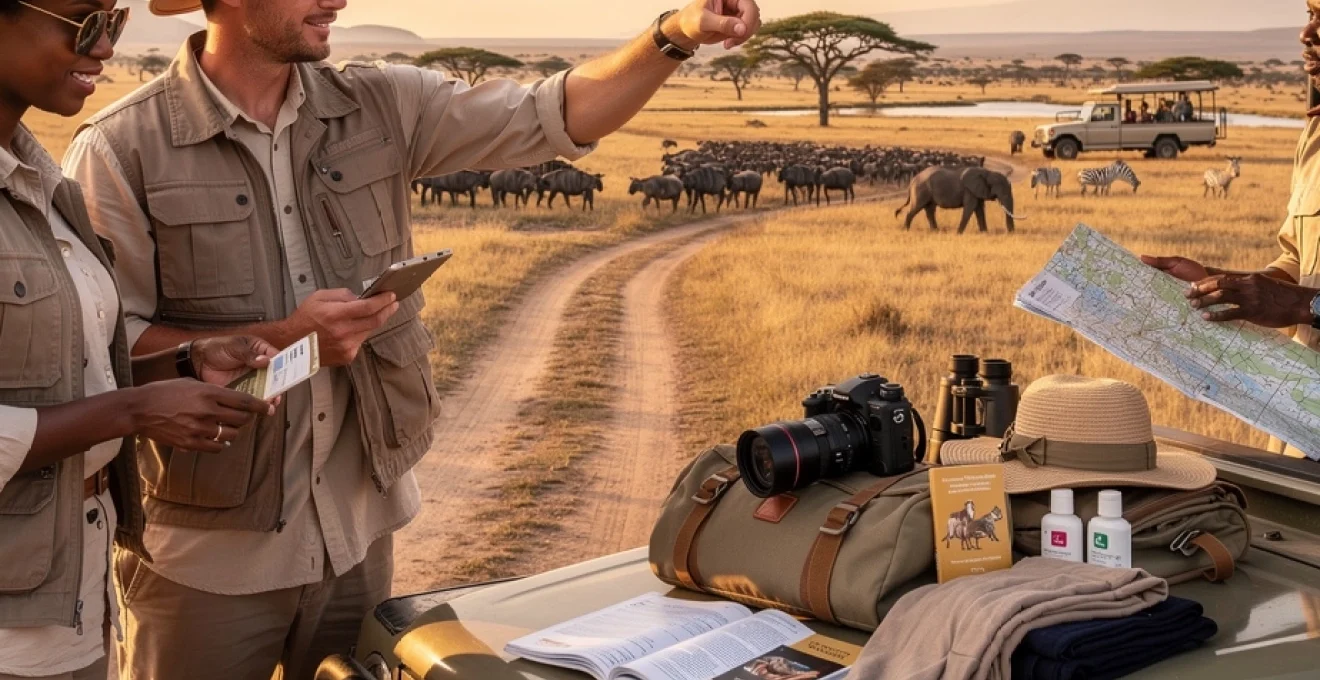
Planning your first Kenyan safari represents one of the most thrilling adventures you can embark upon, yet it requires careful preparation to ensure an unforgettable experience. Kenya stands as Africa’s premier safari destination, offering unparalleled wildlife viewing opportunities across diverse ecosystems, from the iconic Maasai Mara to the elephant-rich plains of Amboseli. The country’s remarkable biodiversity encompasses over 1,100 bird species and hosts the world-famous Great Migration, making it an essential destination for wildlife enthusiasts and photographers alike.
Successful safari planning begins months before departure, encompassing everything from visa applications to specialized equipment selection. The complexity of modern travel requirements, combined with Kenya’s unique health and safety considerations, means that thorough preparation can make the difference between a seamless adventure and a challenging ordeal. Understanding seasonal wildlife patterns, accommodation booking strategies, and budget considerations will help you maximize your investment in this once-in-a-lifetime experience.
Essential documentation and visa requirements for kenyan safari entry
Kenya’s entry requirements have evolved significantly in recent years, with the introduction of digital systems designed to streamline the process whilst maintaining security standards. Understanding these requirements well in advance prevents last-minute complications that could jeopardize your safari plans. The documentation process involves multiple components that work together to ensure smooth entry into the country.
Electronic travel authorization (eTA) application process and processing times
Kenya replaced traditional visa requirements with the Electronic Travel Authorization system in January 2024, revolutionizing the entry process for international visitors. The eTA application requires completion through the official government portal, demanding accurate personal information, travel itinerary details, and supporting documentation uploads. Processing typically takes three to five business days, though applications submitted during peak travel seasons may experience longer delays.
The application demands several critical documents, including a clear passport photograph, flight booking confirmations, and accommodation reservations. Travellers must provide detailed information about their intended activities, with safari-specific documentation often requiring additional scrutiny. The system accepts various payment methods, though credit card payments processed in US dollars tend to experience fewer technical difficulties during submission.
Yellow fever vaccination certificate requirements and exemptions
Yellow fever vaccination requirements depend entirely on your country of origin and recent travel history. Travellers arriving from yellow fever endemic areas must present valid International Certificate of Vaccination or Prophylaxis documents upon arrival. Countries classified as endemic include most of tropical Africa and South America, with specific requirements varying based on recent outbreaks and seasonal risk assessments.
Kenya itself poses minimal yellow fever risk for most safari destinations, yet vaccination remains advisable for comprehensive protection. The vaccination becomes mandatory if your safari plans include visits to neighboring countries such as Uganda or Tanzania, where yellow fever certificates are required for entry. Vaccination must occur at least ten days before travel to ensure adequate immunity development and certificate validity.
Passport validity standards and multiple entry considerations
Passport validity requirements extend beyond simple expiration dates, encompassing specific timeframes and physical condition standards. Your passport must remain valid for at least six months beyond your intended departure date from Kenya, with immigration authorities strictly enforcing this requirement. Additionally, passports must contain at least two blank pages for entry and exit stamps, with damaged or water-stained documents potentially causing entry denial.
Multiple-entry considerations become relevant for travelers combining Kenyan safaris with visits to neighboring countries. Border crossings between Kenya and Tanzania require fresh entry stamps, even for day trips to see different sections of the Serengeti ecosystem. Planning these movements in advance ensures proper documentation and prevents unexpected delays during your safari itinerary.
Travel insurance coverage for wildlife activities and medical evacuation
Comprehensive travel insurance for safari activities extends far beyond standard medical coverage, encompassing specialized risks associated with wildlife encounters and remote location travel. Policies must explicitly cover adventure activities, including game drives, walking safaris, and hot air balloon excursions. Many standard policies exclude these activities, making specialized safari insurance essential for adequate protection.
Medical evacuation coverage represents perhaps the most critical insurance component, given Kenya’s remote safari locations and limited medical facilities. Evacuation costs from places like the Maasai Mara to Nairobi’s advanced medical facilities can exceed $50,000, making comprehensive coverage financially
unmanageable without appropriate cover. When reviewing policies, confirm that emergency evacuation includes both ground and air transport, as many remote airstrips require a combination of 4×4 transfer and charter flight. Ideally, your insurance should provide primary coverage for medical care abroad, a 24/7 assistance hotline, and clear protocols for contacting evacuation providers from lodges that may have limited connectivity.
Beyond evacuation, scrutinise policy wording for trip interruption, lost luggage, and cancellation clauses related to illness, airline disruption, or political events. Safaris often involve multiple internal flights and non-refundable lodge bookings, so comprehensive cancellation cover can safeguard a significant financial investment. Finally, carry both digital and printed copies of your policy and emergency contact numbers, and share these details with your safari operator so they can act quickly if required.
Optimal safari timing and seasonal wildlife migration patterns
Choosing when to travel is one of the most strategic decisions in planning your first Kenyan safari. While Kenya is a year-round destination, wildlife behaviour, vegetation density, and visitor numbers change dramatically with the seasons. Aligning your travel dates with key events such as the Great Migration, elephant calving, or birding peaks can transform a good safari into an exceptional one.
Seasonal weather patterns also affect practical considerations such as road conditions, flight schedules, and lodge availability. Dry months typically offer clearer skies and easier game viewing but attract higher prices and more vehicles at sightings. By contrast, the greener, quieter months can deliver spectacular photography and more intimate experiences, provided you are prepared for occasional rain.
Great wildebeest migration timeline in maasai mara national reserve
The Great Wildebeest Migration remains one of the primary reasons many travellers choose Kenya for their first safari. Around 1.5 million wildebeest, accompanied by hundreds of thousands of zebra and gazelle, move in a vast clockwise circuit between Tanzania’s Serengeti and Kenya’s Maasai Mara each year. In broad terms, the herds usually enter the Mara ecosystem from around mid-July and remain until late October, though exact timings vary with rainfall patterns.
River crossings at the Mara River, where animals face strong currents and waiting crocodiles, are the most dramatic and sought-after events. These crossings tend to peak between late July and September, but they are never guaranteed on any specific day. To maximise your chances, plan at least four nights in or near the Mara during this period, stay flexible with your daily schedule, and choose an experienced guide who follows real-time herd movements rather than rigid routes.
If your travel dates fall outside the classic migration window, do not discount the Maasai Mara. The reserve supports one of Africa’s highest densities of resident predators and plains game year-round. In many ways, visiting outside migration season can result in calmer sightings, fewer vehicles, and more time to appreciate individual animal behaviours rather than vast herds.
Dry season advantages: june to october game viewing conditions
The long dry season from June to October is generally considered the best time for game viewing across much of Kenya. Reduced rainfall means shorter grass and sparser vegetation, allowing you and your guide to spot wildlife more easily at greater distances. Water sources become limited, so animals predictably congregate around rivers, permanent marshes, and artificial waterholes, making sightings more frequent and concentrated.
For first-time visitors, these months offer particularly forgiving conditions: fewer insects, cooler mornings, and largely reliable road access between parks. Photographers benefit from clear skies and soft early-morning and late-afternoon light, while birders enjoy excellent visibility of raptors and savanna species. The trade-off is popularity; July, August, and early September in particular see peak occupancy in the Maasai Mara, so booking your safari camps and internal flights at least 9–12 months ahead is advisable.
Another advantage of the June–October period is the relative predictability of daily schedules. With low chance of prolonged storms, game drives are rarely disrupted, and you are less likely to miss activities due to weather-related cancellations. If your priority is to maximise sightings during a short holiday, this dry window provides the most efficient conditions.
Calving season opportunities in amboseli national park
Amboseli National Park offers a very different but equally compelling seasonal highlight: the elephant calving period, typically around January and February. Following the short rains of November and December, Amboseli’s swamps and grasslands flush green, providing rich forage for the park’s famous elephant herds. This abundance supports a wave of births, and it is not unusual to see dozens of calves of varying ages walking beneath the towering legs of their mothers and aunts.
For a first Kenyan safari focused on photography or family travel, calving season in Amboseli can be magical. Young elephants are highly expressive, playful, and curious, and the diffused light of the green season lends a softer aesthetic than the harsher mid-year sun. The backdrop of snow-capped Mount Kilimanjaro, visible most clearly in the early morning, adds another photographic advantage.
Beyond elephants, this period also sees many plains game species giving birth, which in turn attracts predators. While vegetation is denser than in the dry season, patient guiding can produce intimate encounters with lions and hyenas taking advantage of vulnerable youngsters. If you are willing to accept a small chance of afternoon showers, the rewards in terms of behaviour and landscape can be substantial.
Weather patterns impact on road accessibility and game drives
Kenya’s climate is shaped by two primary rainy seasons: the “long rains” from March to May and the “short rains” around November and early December. During the long rains, downpours can be intense and prolonged, transforming dirt tracks into slippery, rutted routes and occasionally rendering certain areas or minor roads impassable. Some smaller camps close during this period, and those that remain open may adjust activities if storms make particular sections of the reserve unsafe to access.
Does this mean you should avoid the rainy months entirely for your first safari? Not necessarily. While March–May can be challenging, the shoulder periods on either side often offer a good balance of lush scenery, lower prices, and still-decent road access. You simply need to be realistic about potential schedule changes and allow a little flexibility for delayed drives or modified routes.
In practical terms, weather affects not only road conditions but also animal behaviour. After heavy rain, wildlife may disperse widely across newly watered plains, making sightings less predictable than during dry months when water is scarce. At the same time, dramatic skies, storm fronts, and rainbows can produce extraordinary photographic backdrops. Working with a reputable operator who uses well-maintained 4×4 vehicles and experienced driver-guides becomes especially important when planning travel in or near the rainy seasons.
Safari accommodation categories and booking strategies
Your choice of accommodation will shape not just your comfort level, but also your daily rhythm, access to wildlife, and overall safari budget. In Kenya, options range from simple bush camps to ultra-luxury lodges, each offering distinct advantages for first-time visitors. Understanding how these categories differ helps you allocate your budget where it will have the greatest impact on your experience.
Broadly, safari accommodation falls into three main groups: budget tented camps and guesthouses, mid-range lodges and classic tented camps, and luxury or boutique properties. Budget options typically lie just outside national park boundaries, reducing park fees but requiring longer drives to reach key wildlife areas. Mid-range and luxury camps are more often located inside parks or in private conservancies, allowing faster access to prime sightings and, in some cases, additional activities such as night drives or walking safaris.
When planning your first Kenyan safari, it can be tempting to change camps every night to sample as many places as possible. In reality, you will enjoy a richer experience by spending at least three nights in each core destination. This gives you time to settle into the camp’s rhythm, explore different sections of the reserve, and allow for days when weather or animal movements are less cooperative. Where budget allows, consider combining one or two mid-range properties with a shorter stay at a high-end lodge for a memorable finale.
Booking strategies depend heavily on your travel season. For July–October and Christmas–New Year departures, you should secure your preferred camps 9–12 months in advance, especially in the Maasai Mara and Amboseli. During shoulder seasons, a 4–6 month lead time is generally sufficient, while low-season travel may permit greater last-minute flexibility. Regardless of timing, always verify what is included in the nightly rate: most safari packages are sold on an all-inclusive basis covering meals, game drives, park fees, and sometimes drinks, but some entry-level options separate these costs, which can significantly alter the true price.
Essential safari gear and equipment specifications
Packing for your first Kenyan safari is less about quantity and more about choosing the right technical equipment and clothing. Space on internal flights is limited, and soft-sided luggage with strict weight limits (often 15–20 kg including hand luggage) is the norm on bush planes. Think of your gear as a compact toolkit: every item should earn its place by increasing your comfort, safety, or ability to capture the experience.
From a practical standpoint, your three most important equipment categories are imaging (camera and lenses), observation (binoculars), and personal protection (layers, sun protection, insect repellent). Investing a little time in understanding key specifications in these areas will pay significant dividends once you are bumping along a game track with a lion in front of you and seconds to react.
Professional camera equipment for wildlife photography
You do not need to be a professional photographer to benefit from a capable camera on safari, but the limitations of smartphones quickly become apparent in wide, open landscapes. For most first-time visitors serious about wildlife images, a DSLR or mirrorless camera body paired with a telephoto zoom lens in the 100–400mm range offers the best balance of reach, image quality, and portability. Modern APS-C (crop-sensor) cameras provide extra effective focal length, making distant subjects appear closer without excessively heavy glass.
If you prefer a simpler setup, a high-quality bridge camera with a built-in long zoom (for example, 24–600mm equivalent) can be an excellent compromise. These cameras are lighter, less expensive, and remove the need to change lenses in dusty conditions. Regardless of system, bring at least two high-capacity memory cards and one spare battery; a typical full day of game drives can easily consume hundreds of images, and not all vehicles offer reliable charging during the day.
Stabilisation is another key consideration. Many telephoto lenses now include optical image stabilisation, and some camera bodies offer in-body stabilisation as well. Combined with the natural support of a bean bag or rolled-up fleece on the vehicle’s window frame, this helps you achieve sharp images in the low light of dawn and dusk. Tripods are rarely practical in safari vehicles and are generally unnecessary unless you plan specialist work such as night sky photography at camp.
Binocular magnification requirements and field of view considerations
A good pair of binoculars is arguably more important than a sophisticated camera, especially on your first Kenyan safari. They transform distant shapes into detailed scenes, allowing you to appreciate animal behaviour, plumage, and interactions that would otherwise be invisible. When selecting binoculars, two numbers matter most: magnification and objective lens diameter. For example, an 8×42 pair offers 8× magnification with 42mm objective lenses.
For general safari use, 8x or 10x magnification strikes the best balance between reach and stability. Higher magnification might sound appealing, but it also amplifies hand shake and narrows your field of view, making it harder to track moving animals from a bouncing vehicle. Many experienced guides favour 8×42 models, which provide a bright image in low light and a wide enough view to follow birds in flight or predators on the move.
Field of view is particularly important when scanning large herds or watching fast-paced action such as a cheetah chase. As a rule of thumb, if you primarily enjoy big mammals and general scenes, prioritise a wider field over maximum zoom. If you are a keen birder, you may lean slightly towards 10x for the extra detail, but even then, image brightness and comfort during extended use should guide your choice. Whichever model you select, ensure the binoculars are nitrogen-filled and water-resistant to cope with dust and occasional rain.
Multi-layered clothing systems for variable savanna temperatures
Temperature swings on safari can be surprisingly dramatic. Early-morning game drives in open vehicles may begin at 10–12°C (50–54°F), particularly in higher-altitude areas such as the Maasai Mara, before rising to 28–30°C (82–86°F) by midday. A well-thought-out layering system allows you to adapt quickly as conditions change without overpacking. Think in terms of a base layer, mid layer, and outer layer, rather than a single heavy jacket.
Base layers should be lightweight, breathable fabrics that wick moisture away from the skin—merino wool or modern technical synthetics both work well. On top of this, a long-sleeved shirt in neutral colours (khaki, beige, olive) provides sun protection and a modest barrier against insects. A fleece or light insulated jacket forms an effective mid layer for chilly mornings, while a packable windproof shell can be added if you expect strong breeze in an open vehicle.
For legwear, quick-drying trousers that can be rolled up or converted to shorts offer flexibility across different parks and activities, from cool dawn drives to warm camp lunches. Avoid heavy denim, which dries slowly and becomes uncomfortable if it gets wet. Footwear should prioritise comfort and protection: closed-toe walking shoes or lightweight boots are ideal for use in camp and on any short bush walks, with sandals reserved for around the pool or tent.
Sun protection and insect repellent with DEET concentration guidelines
Kenya’s equatorial sun can be deceptively strong, even on overcast days and during cooler seasons. Effective sun protection is therefore non-negotiable on a Kenyan safari. At a minimum, pack a broad-spectrum sunscreen with SPF 30 or higher, applied generously to exposed skin at least 20 minutes before heading out. Reapply every two to three hours, especially after sweating or wiping your face during dusty drives. A wide-brimmed hat and UV-blocking sunglasses significantly reduce glare and protect both your face and eyes.
Insect protection is equally important, particularly in malaria-risk areas and during the rainy seasons. Repellents containing DEET remain the gold standard for effectiveness. For adults, products with a concentration of 20–30% DEET offer strong protection for several hours without the excessive greasiness of ultra-high formulations. For children or those with sensitive skin, lower concentrations (10–15%) can be used more frequently, or alternatives such as picaridin may be considered after consulting a travel health specialist.
Apply repellent to exposed skin and lightly over clothing, avoiding eyes, mouth, and any areas with cuts or irritation. In the evenings, especially around dusk when mosquitoes are most active, wear long sleeves and trousers in addition to repellent, and sleep under the mosquito nets provided by reputable camps. Think of your sun and insect protection as a shield: multiple layers—clothing, sunscreen, repellent, and nets—work together to keep you comfortable and healthy.
Health preparations and malaria prophylaxis protocols
Health preparation for a Kenyan safari extends beyond a quick vaccination check. Because many safari destinations are several hours from advanced medical facilities, prevention is far more effective than treatment. Begin by scheduling a consultation with a travel medicine clinic 6–8 weeks before departure. This allows time to review your vaccination history, assess specific risks based on your itinerary, and start any multi-dose vaccine courses such as Hepatitis B if required.
Routine recommended immunisations for Kenyan travel often include Hepatitis A, Typhoid, Tetanus-diphtheria-pertussis, and, depending on activities and duration, Rabies. Your clinician will also discuss malaria, which is present in most low-lying safari regions, though risk varies with altitude and season. Several prophylactic medications are available—commonly atovaquone-proguanil, doxycycline, or mefloquine—each with distinct dosing schedules and potential side effects. The best option depends on your medical history, other medications, and tolerance for sun exposure.
Adhering to malaria prophylaxis protocols is crucial. You will typically begin tablets one or two days before entering a risk area, continue daily during your stay, and maintain medication for 7–28 days after leaving, depending on the drug. Think of this as a safety net that complements, but does not replace, physical protection measures such as repellent and nets. In addition, pack a personal health kit including pain relief, oral rehydration salts, plasters, antiseptic wipes, and any prescription medication in original labelled containers.
Finally, consider how you will manage minor issues such as traveller’s diarrhoea or motion sickness during long game drives. Discuss standby antibiotics or anti-nausea medication with your doctor if appropriate. Many quality lodges have basic first-aid supplies and staff trained in emergency response, but your own kit ensures you can address common ailments immediately, without cutting short a day’s safari.
Budget planning and cost breakdown for kenyan safari experiences
Constructing a realistic budget for your first Kenyan safari can feel daunting, given the number of variables involved. However, breaking costs into clear categories—park fees, accommodation, transport, guiding, and cultural experiences—allows you to see where your money goes and where you can make strategic adjustments. Unlike many holidays, a safari is typically front-loaded in terms of cost, but includes a high proportion of your daily expenses in a single package price.
On average, a well-organised private safari in Kenya can range from $300–$400 per person per day for budget to mid-range options, up to $600 or more for high-end camps in prime locations. This often covers full board (all meals), two game drives per day, park fees, and internal transfers within a specific region. International flights to Nairobi sit outside this daily estimate and will vary by season and departure city. By understanding specific line items such as Maasai Mara park entry, guide rates, and internal flights, you can fine-tune your itinerary to match your priorities without unpleasant surprises.
Park entry fees structure for maasai mara and amboseli reserves
National park and reserve entry fees are a significant component of your safari budget, particularly in flagship areas such as the Maasai Mara and Amboseli. These fees fund conservation, anti-poaching efforts, and local community projects, making them an essential part of responsible tourism. For the Maasai Mara National Reserve, non-resident adult fees currently sit at approximately $100 per person per day during the lower-fee months (January–June) and rise to around $200 per person per day in the peak season from July to December.
Amboseli National Park has a slightly lower fee structure, typically around $90 per person per day for non-residents. Note that these charges are applied per 24-hour period, and your operator will plan gate entries and exits accordingly to avoid unnecessary extra days. If you are staying in a private conservancy adjacent to a main park, a separate conservancy fee may apply, which often includes more flexible activities in return for lower vehicle densities.
When comparing safari packages, clarify whether park and conservancy fees are included in your quoted rate. An itinerary that appears cheaper at first glance may exclude these mandatory charges, which can add several hundred dollars over the course of a week. A reputable operator will itemise or clearly state that all statutory fees are included in your final price.
Professional safari guide rates and tipping conventions
Your safari guide is arguably the single most important human factor in the success of your trip. Their skills in tracking, understanding animal behaviour, positioning the vehicle for light and safety, and interpreting the ecosystem turn isolated sightings into a coherent story. In most private or tailor-made safaris, the cost of a dedicated vehicle and professional guide is bundled into your daily rate, with an approximate internal cost of $150–$250 per day for the vehicle, fuel, and guide combined.
While base remuneration is handled by the lodge or operator, tipping remains customary and is an important part of guiding income across East Africa. As a guideline, many travellers budget $10–$20 per person per day for their main guide on a private safari, adjusting up for exceptional service or larger groups. Tips are usually given in cash at the end of your stay in an envelope, either directly to the guide or via a camp tipping box, depending on local practice.
Camp staff—including waiters, housekeepers, and porters—are often tipped collectively through a general staff box at reception. A typical amount is $5–$10 per guest per night, which the lodge management then distributes among the team. While these figures are not rigid rules, having an approximate tipping budget in mind before you travel prevents awkwardness and ensures that those who contribute to your experience are fairly acknowledged.
Internal flight costs between nairobi and mara north conservancy
Given Kenya’s large distances and sometimes slow road conditions, internal flights between key safari hubs can be a smart investment of both time and money. The most common route for first-time visitors is between Nairobi’s Wilson Airport and the various airstrips serving the Maasai Mara ecosystem, including Mara North Conservancy. Flight times are usually 45–60 minutes, compared with 5–6 hours by road on mixed tarmac and dirt surfaces.
One-way fares on reputable regional carriers such as Safarilink or AirKenya typically range from $200–$300 per person, depending on season, availability, and how far in advance you book. Return tickets may offer a modest discount. These small bush planes operate with strict baggage limits, often 15kg including hand luggage, and require soft-sided bags to fit into the luggage compartments. If you are planning to bring heavy photographic equipment, discuss options for purchasing an extra seat or cargo allowance with your operator.
When comparing road versus air transfers, factor in not only direct cost but also the value of additional game drive time. Arriving in the Mara by late morning flight often allows you to enjoy lunch at camp and an afternoon drive the same day, effectively gaining an extra half day of safari compared with arriving after a full day on the road. For a short first Kenyan safari, this added time in the field can be worth the premium.
Cultural experience fees for maasai village visits and community projects
Many first-time visitors to Kenya wish to complement wildlife viewing with meaningful cultural encounters, particularly with Maasai communities in and around the Mara and Amboseli regions. Organised visits to Maasai villages (known as manyattas) usually involve a guided tour, traditional dances, insights into daily life, and opportunities to purchase beadwork and crafts. Typical fees range from $25–$40 per person, often paid in cash on arrival or arranged through your camp.
To ensure that your contribution genuinely benefits local people, choose visits facilitated by your lodge or a reputable operator with established community partnerships. Some camps participate in broader projects such as school support, healthcare initiatives, or conservation programmes employing local rangers. In these cases, you may be invited to visit a school or community project as part of your stay, with suggested donations or fixed contributions clearly communicated in advance.
When planning your budget, consider cultural experiences as both a cost and an investment in understanding the human context of Kenya’s wildlife areas. Thoughtful interactions—where you listen as much as you photograph—can be among the most memorable elements of your first Kenyan safari, adding depth and perspective that go far beyond the game drive.