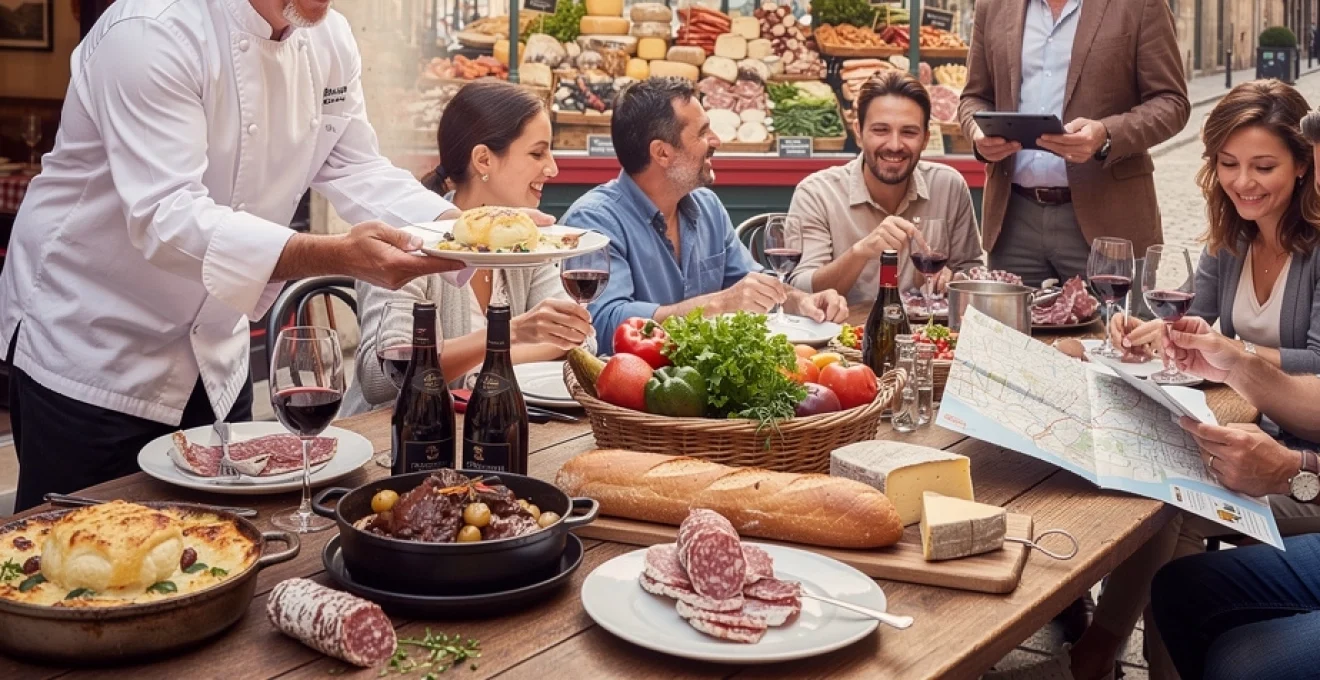
Lyon stands as an undisputed beacon of culinary excellence, earning its reputation as the gastronomic capital of France through centuries of culinary innovation and tradition. This vibrant city, strategically positioned between the Rhône and Saône rivers, offers food enthusiasts an extraordinary opportunity to immerse themselves in authentic French cuisine while exploring a UNESCO World Heritage site rich in history and culture. The city’s unique geographical location has created a perfect storm of culinary influences, with access to the finest ingredients from surrounding regions including Bresse poultry, Charolais beef, and world-renowned wines from nearby Beaujolais and Côtes du Rhône. Planning a food-centred escape to Lyon requires careful consideration of accommodation location, restaurant reservations, market timing, and seasonal availability to maximise your gastronomic experience.
Lyon’s gastronomic heritage and UNESCO recognition
The culinary landscape of Lyon has been shaped by over 2,000 years of continuous evolution, beginning with its Roman origins as Lugdunum and progressing through its renaissance as a silk-weaving capital to its modern recognition as a gastronomic powerhouse. The city’s UNESCO World Heritage designation encompasses not only its architectural treasures but also acknowledges the cultural significance of its food traditions. This recognition extends to the preservation of traditional cooking methods, the protection of authentic recipes, and the maintenance of historical food establishments that have served generations of Lyonnais families and visitors alike.
Lyon’s gastronomic identity was fundamentally shaped by the Mères Lyonnaises, a group of women cooks who revolutionised French cuisine during the 18th and 19th centuries. These culinary pioneers transformed simple, regional ingredients into sophisticated dishes that would later influence haute cuisine throughout France. Their legacy continues today through the preservation of traditional cooking techniques and the ongoing operation of family-run establishments that maintain authentic recipes passed down through generations. The influence of these remarkable women extends far beyond Lyon’s borders, having trained numerous renowned chefs who carried their techniques to kitchens worldwide.
Bouchon traditions: daniel et denise and café comptoir abel
The bouchon tradition represents the heart and soul of Lyonnais dining culture, offering visitors an authentic glimpse into the city’s culinary heritage. These traditional bistros, recognisable by their distinctive red-and-white chequered tablecloths and intimate atmosphere, serve hearty regional specialities in convivial settings that encourage lingering conversations over multiple courses. Daniel et Denise and Café Comptoir Abel exemplify this tradition, maintaining original recipes and preparation methods that have remained unchanged for decades.
Café Comptoir Abel, established in 1928, stands as one of Lyon’s most authentic bouchons, offering traditional dishes such as tablier de sapeur and andouillette in an atmosphere that perfectly captures the essence of old Lyon. The restaurant’s commitment to authenticity extends to its wine service, featuring regional wines served in traditional pot lyonnais — 46-centilitre bottles that reflect the city’s historical connection to silk workers.
Michelin-starred excellence: paul bocuse legacy and L’Auberge du pont de collonges
Paul Bocuse’s transformative influence on Lyon’s culinary scene cannot be overstated, with his flagship restaurant L’Auberge du Pont de Collonges maintaining three Michelin stars for over five decades — a world record that speaks to the consistency and excellence of Lyon’s fine dining establishment. This legendary restaurant continues to honour Bocuse’s innovative approach to traditional French cuisine while incorporating modern techniques and seasonal ingredients sourced from the surrounding region.
The Bocuse legacy extends throughout Lyon’s contemporary dining scene, with numerous protégés operating acclaimed restaurants that maintain the master’s commitment to excellence while developing their own culinary voices. These establishments represent the evolution of Lyon’s gastronomic scene, bridging traditional techniques with contemporary presentations and international influences while maintaining deep respect for local ingredients and seasonal availability.
Les halles de lyon paul bocuse market infrastructure
Les Halles de Lyon Paul Bocuse serves as the epicentre of the city’s food culture, housing over 60
producers, wine merchants, cheesemongers, fishmongers, and pastry chefs under one roof. Open from early morning to mid-afternoon, this covered market is where many of Lyon’s top chefs source their ingredients, making it an essential stop on any food-centred getaway. As you wander through its aisles, you will encounter immaculate displays of oysters, rows of Saint-Marcellin and Saint-Félicien cheeses, glazed pâtés en croûte, and shimmering praline tarts that showcase the region’s unparalleled produce.
To make the most of Les Halles de Lyon Paul Bocuse, it is advisable to arrive before lunchtime, when the atmosphere is lively but not yet overwhelming. Start with a coffee and a pastry at one of the bakeries, then move on to a plateau de fruits de mer or a charcuterie board paired with a glass of Beaujolais or Côtes du Rhône. Many stalls offer counter seating, allowing you to taste on the spot while observing artisans at work. Think of it as an edible map of Lyon: in a single morning, you can sample the key flavours that define the city’s gastronomic identity.
Quenelle de brochet and coq au vin lyonnais authenticity
Certain dishes are so closely linked to Lyon that tasting them on their home turf becomes almost a cultural obligation. Quenelle de brochet, a delicate pike dumpling enriched with eggs, flour, and butter, then baked in a rich Nantua sauce made with crayfish, is one of these emblematic recipes. When prepared correctly, it is light yet indulgent, with a texture that sits somewhere between a soufflé and a cloud. Ordering quenelles in Lyon allows you to experience the dish as it was intended, often following recipes that have been refined over generations.
Another cornerstone of authentic Lyonnais cuisine is coq au vin lyonnais, a local variant of the classic French stew where rooster is slowly braised in red wine, often from nearby Beaujolais, with lardons, mushrooms, and aromatics. Unlike some tourist-oriented versions that use generic chicken and dilute sauces, traditional Lyonnais kitchens focus on long cooking times, robust wines, and high-quality poultry, resulting in deep flavours and silky textures. When you see these dishes on a menu in a certified bouchon or established brasserie, you are not just choosing a main course; you are participating in a living culinary tradition.
For visitors planning a food-centred getaway, it is worth identifying restaurants known for these specialties and reserving in advance, especially on weekends. Look for places that highlight the provenance of their ingredients and do not hesitate to ask staff about cooking methods or recommended wine pairings. This direct exchange with the restaurant team turns a simple meal into an educational experience, helping you better understand the nuances of Lyon’s gastronomic heritage.
Strategic accommodation selection in gastronomic districts
Choosing where to stay in Lyon can significantly influence the quality and convenience of your culinary exploration. Because the city’s gastronomic hotspots are spread across several distinct neighbourhoods, accommodation becomes more than a logistical decision; it is a strategic tool for maximising restaurant access, market visits, and evening strolls between tastings. By aligning your hotel or apartment with the districts that interest you most, you reduce transit time and increase the space in your schedule for what really matters: eating, drinking, and discovering.
When planning a food-centred getaway, think of Lyon as a series of complementary culinary zones: Vieux Lyon for traditional bouchons, the Presqu’île for fine dining and central markets, Croix-Rousse for artisanal and bohemian addresses, and Part-Dieu for contemporary establishments and easy transport links. Each area has its own rhythm, dining style, and price range, allowing you to tailor your stay according to your preferences and budget. Would you rather step out of your hotel into cobbled streets lined with centuries-old taverns, or wake up next to an indoor market where breakfast is a platter of oysters and sparkling wine?
Vieux lyon renaissance quarter proximity to traditional bouchons
The Vieux Lyon Renaissance quarter is an ideal base for travellers who want to immerse themselves in the historic heart of the city’s gastronomy. Classified as a UNESCO World Heritage site, this district is a labyrinth of narrow lanes, stone facades, and secret traboules that conceal courtyards and staircases once used by silk workers. Scattered among these passageways you will find some of Lyon’s most atmospheric bouchons, where wooden beams, tiled floors, and handwritten menus evoke the city’s culinary past.
Staying in Vieux Lyon places you within walking distance of numerous traditional establishments serving quenelles, saucisson brioché, and salade lyonnaise. It also allows for late-night strolls across the Saône with the illuminated Basilica of Fourvière watching from above, an experience that adds a romantic layer to any gastronomic itinerary. However, bear in mind that this area can be lively and touristy, especially in high season, so those seeking absolute quiet might prefer to lodge just across the river on the Presqu’île while still enjoying easy access to the old town’s culinary offerings.
Presqu’île peninsula access to les halles and fine dining
The Presqu’île, the central peninsula between the Rhône and Saône, offers perhaps the best balance for food travellers who want to combine traditional flavours with contemporary gastronomy. This district is home to many of Lyon’s stylish wine bars, modern bistros, and fine dining restaurants, as well as being a convenient hub for public transport. From here, you can easily reach Les Halles de Lyon Paul Bocuse by tram or bus, making early-morning market visits and lunchtime tastings especially straightforward.
Accommodation on the Presqu’île also places you within easy walking distance of both Vieux Lyon and the slopes of Croix-Rousse, allowing you to design seamless itineraries that connect bouchons, bakeries, and bars in a single day without excessive commuting. In the evening, you can move from a pre-dinner glass of natural wine to a multi-course tasting menu, then finish with a stroll along the Rhône’s riverbanks where floating barges host late-night cafés and music. For many visitors, this centrality and variety make the Presqu’île the most strategic choice for a first food-centred getaway to Lyon.
Croix-rousse silk district artisanal food scene integration
Perched on the hill that once housed Lyon’s silk workers, Croix-Rousse has evolved into a creative, village-like neighbourhood with a strong artisanal food scene. Here you will find independent bakeries experimenting with sourdoughs and ancient grains, coffee roasters, chocolatiers, and small bistros that favour seasonal menus and short supply chains. The atmosphere is more local and residential than in the city centre, which can be a great advantage if you prefer a slower pace and less crowded streets.
By staying in Croix-Rousse, you integrate yourself into daily Lyonnais life, starting your mornings at neighbourhood cafés and browsing the Marché de la Croix-Rousse on the boulevard at the top of the hill. This market, especially vibrant on weekends, is an excellent place to taste fresh produce, regional cheeses, and cured meats while chatting with producers. Although you are slightly farther from some of the city’s iconic bouchons, good public transport and downhill walks mean you can still reach Vieux Lyon and the Presqu’île easily, returning to your hilltop retreat afterwards for a quieter night.
Part-dieu business district contemporary culinary establishments
While the Part-Dieu district is often associated with its major train station and business towers, it is increasingly becoming a destination for contemporary culinary establishments. Modern brasseries, international restaurants, and innovative fast-casual concepts cater to a mixed crowd of office workers, travellers, and residents. For food-focused visitors, this area can be particularly practical thanks to its direct connections to the airport, TGV network, and tram system, making it an efficient base for short weekend breaks or itineraries that combine Lyon with other French cities.
Staying near Part-Dieu also offers direct access to large shopping centres and food courts where you can sample quick bites between excursions. Although the district lacks the historic charm of Vieux Lyon or the Presqu’île, its hotels often provide excellent value for money, modern amenities, and easy departure points for day trips to Beaujolais or the surrounding wine regions. If you prioritise logistical convenience and plan to spend most of your waking hours exploring the city’s restaurants and markets rather than your room, Part-Dieu can be a smart and efficient option.
Specialised culinary experience itinerary planning
Designing a truly memorable food-centred getaway in Lyon involves more than just choosing a few restaurants; it requires thoughtful itinerary planning that weaves together meals, markets, cooking classes, and excursions into a coherent narrative. Instead of treating each tasting as an isolated event, you can build a progressive journey through Lyon’s flavours, moving from rustic bouchons to gastronomic temples, from hidden traboules to sunlit vineyard slopes. The aim is to balance indulgence with discovery, leaving enough time between rich meals to walk, learn, and digest.
One effective strategy is to structure your days around key culinary “anchors”: a long lunch at a traditional bouchon, an afternoon market visit, an evening wine bar session, or a morning cooking class. Around these anchors, you can add lighter activities such as museum visits, river cruises, or neighbourhood walks. Think of your itinerary like a well-composed menu: you would not schedule two heavy multi-course dinners back-to-back without a break, just as a chef would not serve three intensely rich dishes in a row. By alternating intensities and styles, you will appreciate each experience more fully.
Bouchon crawling route: chez hugon to le garet sequential tasting
For travellers keen to explore the breadth of Lyon’s bouchon culture, a carefully planned “bouchon crawl” can be both educational and delicious. One popular route runs between Chez Hugon and Le Garet, two emblematic establishments near the Presqu’île and the Hôtel de Ville area. Rather than attempting full meals in multiple bouchons on a single day, a more sustainable approach is to spread the experience over two lunches and one dinner, allowing you to compare atmospheres, recipes, and wine lists without overwhelming your palate.
You might, for example, begin with lunch at Chez Hugon, known for its convivial ambiance and generous servings of classics like quenelles and saucisson chaud. Another day, schedule a dinner at Le Garet, where the decor and service echo Lyon’s mid-century dining rooms and the menu showcases hearty regional fare. By spacing these visits and walking between them through the city’s historic streets, you turn your bouchon crawl into a structured tasting itinerary. Along the way, keep notes on which dishes and wines you preferred; over time, your impressions will form a personalised map of Lyon’s traditional gastronomy.
Traboules food walking tours with les toques blanches lyonnaises
To deepen your understanding of Lyon’s culinary and architectural heritage simultaneously, consider joining a food-focused walking tour that incorporates the city’s famous traboules. Some tours, often organised in collaboration with associations like Les Toques Blanches Lyonnaises, combine tastings at selected artisans with guided walks through hidden passageways and Renaissance courtyards. This format allows you to connect the dots between the city’s history as a silk-weaving centre, its role in resistance movements, and its emergence as a gastronomic capital.
During such a tour, you might taste praline brioche from a local bakery, sample artisanal charcuterie, or sip a glass of wine in a vaulted cellar while your guide explains how the Mères Lyonnaises shaped the city’s culinary culture. Because group sizes are generally limited, you have the opportunity to ask detailed questions, from the difference between various regional cheeses to the best way to recognise an authentic bouchon. These tours function like a living textbook: instead of reading about Lyon’s food history, you absorb it through all five senses.
Institut paul bocuse cooking masterclass integration
For many food travellers, the highlight of a gastronomic getaway is not just eating but also learning to recreate local dishes at home. Integrating a cooking masterclass at the Institut Paul Bocuse (now part of the Institut Lyfe) into your itinerary can transform your trip from a passive tasting tour into an active culinary apprenticeship. These classes, often led by experienced chefs, cover techniques ranging from sauce-making and pastry work to full Lyonnais menus, offering both practical skills and insider tips.
When planning your schedule, it is wise to book your cooking class on a morning or early afternoon, leaving the evening for a lighter meal or a simple wine bar visit. Classes tend to be intensive, with multiple recipes prepared and tasted, so you will leave satisfied both intellectually and gastronomically. Think of the experience as adding a “technical course” to your menu of activities: just as a carefully executed sauce can elevate a dish, these newly acquired skills will elevate your appreciation of Lyon’s restaurants and markets during the rest of your stay.
Beaujolais wine region day trip coordination
No food-centred getaway to Lyon is complete without considering a day trip to the nearby Beaujolais wine region. Located less than an hour’s drive from the city, this landscape of rolling hills and villages offers a contrasting yet complementary perspective on the area’s gastronomic identity. Here, you can visit family-run domaines, walk through vineyards of Gamay vines, and taste wines that range from light, fruit-forward crus to more structured bottles capable of ageing.
Coordinating such an excursion requires a bit of planning: decide whether you prefer a private driver, a small-group tour, or renting a car for maximum flexibility. Many organised tours include visits to two or three wineries, a traditional lunch in a local auberge, and time to explore a medieval village such as Oingt. To avoid overwhelming your palate, try to schedule your Beaujolais day between two lighter dining days in Lyon, perhaps following a simple bistro dinner rather than a rich bouchon feast. This way, the nuances of the wines and regional dishes can be fully appreciated.
Sunday morning marché de la croix-rousse procurement strategy
For travellers who enjoy cooking or assembling their own picnics, the Sunday morning Marché de la Croix-Rousse is a crucial element of a food-centred itinerary. Stretching along the boulevard at the top of the hill, this market brings together local producers selling seasonal fruits and vegetables, artisan breads, cheeses, charcuterie, and prepared foods. It is an ideal place to stock up on provisions for a lunch in one of Lyon’s parks or to purchase edible souvenirs to take home, such as dried sausages, honey, or regional jams.
A smart procurement strategy involves arriving early, between 8:00 and 9:30 a.m., when stalls are fully stocked and the crowds are manageable. Start with a reconnaissance lap to compare products and prices, then return to the stands that appeal most to you. If your accommodation includes a kitchen, you can plan a market-inspired dinner featuring seasonal vegetables, a selection of local cheeses, and a bottle of Beaujolais or Côtes du Rhône. Even without cooking facilities, assembling a simple picnic from market finds is a delightful way to experience Lyon’s flavours in a more informal, spontaneous setting.
Transportation logistics for food-centric exploration
Efficient transportation logistics are essential for getting the most out of a food-centred stay in Lyon, especially if you plan to cover multiple districts and venture into nearby wine regions. Fortunately, the city’s compact size and well-developed public transport network make it easy to move between bouchons, markets, and cultural sites without losing time in transit. Most visitors arrive via Lyon-Part-Dieu or Lyon-Perrache train stations, both of which are well connected to the metro, tram, and bus systems operated by TCL.
For urban exploration, a multi-day public transport pass can be a cost-effective solution, allowing unlimited use of metros, trams, and buses while you commute between Vieux Lyon, the Presqu’île, Croix-Rousse, and Part-Dieu. Because many gastronomic hotspots are within walking distance of each other, especially in the city centre, combining short metro rides with leisurely walks often proves ideal. Taxis and ride-hailing services fill in the gaps for late-night returns from distant restaurants or early-morning transfers to the train station or airport.
When planning excursions beyond the city limits, such as trips to Beaujolais, the Côtes du Rhône, or the Dombes region, consider the trade-off between autonomy and comfort. Renting a car gives you full control over your schedule and allows spontaneous stops at roadside producers, but requires a confident driver and attention to rural road signage. Alternatively, private drivers and organised tours remove the stress of navigation and enable everyone in your group to enjoy wine tastings without restraint. Whichever mode you choose, build in buffer time for unexpected discoveries; in a region as rich in food and wine as Lyon, detours are often the most delicious part of the journey.
Budget allocation framework for culinary tourism
Creating a realistic budget for a food-centred getaway in Lyon helps ensure that you can enjoy the city’s gastronomic offerings without financial stress. Because restaurant prices vary widely—from affordable lunches in simple bouchons to elaborate multi-course dinners in Michelin-starred establishments—it is useful to think in terms of daily allocation across key categories: accommodation, main meals, snacks and drinks, activities, and transport. On average, many travellers find that food and drink account for 40–50% of their total trip expenses in a city like Lyon, reflecting the centrality of gastronomy to their plans.
One effective approach is to deliberately “tier” your meals across the duration of your stay. For example, you might schedule one high-end dinner or lunch at a Michelin-starred restaurant, offset by more modest meals at neighbourhood bistros and markets on other days. Market breakfasts or picnic lunches assembled from Les Halles or the Marché de la Croix-Rousse can significantly reduce costs while still providing high-quality, local ingredients. Think of your budget like a tasting menu: by concentrating resources on a few standout experiences and filling the rest with simpler yet authentic options, you maximise both value and variety.
Do not forget to account for non-meal expenses that are nonetheless integral to a culinary trip, such as cooking classes, guided food tours, and wine-tasting workshops. These activities often cost between €60 and €200 per person, depending on duration and exclusivity, but they deliver long-term value in the form of skills and knowledge you carry home. To avoid surprises, set aside a small “spontaneity fund” for unplanned tastings—perhaps a slice of tarte aux pralines that catches your eye or an extra glass of Beaujolais at a wine bar. This buffer allows you to say yes to serendipity, which is often where the most memorable food moments occur.
Seasonal timing optimisation for lyon’s food calendar
The timing of your visit can have a profound impact on the character and quality of your gastronomic experience in Lyon. While the city offers excellent food year-round, seasonal variations influence everything from market offerings and restaurant menus to crowd levels and hotel rates. Spring and autumn are particularly appealing for food travellers: in spring, markets fill with asparagus, morels, and fresh goat cheeses, while in autumn, game dishes, mushrooms, and new vintages of Beaujolais and other wines appear on menus. Temperatures are generally mild, making it comfortable to walk between neighbourhoods and linger on terraces.
Summer brings long days and a vibrant outdoor atmosphere, with riverbanks, parks, and open-air events encouraging picnics and alfresco dining. However, some smaller restaurants and shops may close for part of August as locals take their holidays, and high temperatures can make heavy meals less appealing. Winter, on the other hand, is ideal for those who enjoy robust, comforting dishes such as coq au vin, quenelles, and rich cheese platters, often enjoyed in the cosy interiors of bouchons. December also offers the added charm of festive lights and seasonal markets, though you should book accommodation and special restaurants well in advance.
As you plan your food-centred getaway, consider aligning your trip with key events on Lyon’s gastronomic calendar, such as the release of Beaujolais Nouveau in November or various wine and food fairs that take place throughout the year. These occasions can provide unique opportunities to taste limited releases and meet producers directly, but they may also increase demand for tables and rooms. Ultimately, the best season for your visit depends on the flavours you most want to explore: do you dream of fresh spring vegetables and light rosés, or hearty winter stews and full-bodied reds? By matching your preferences to Lyon’s seasonal rhythms, you ensure that every bite—and every moment—feels perfectly timed.