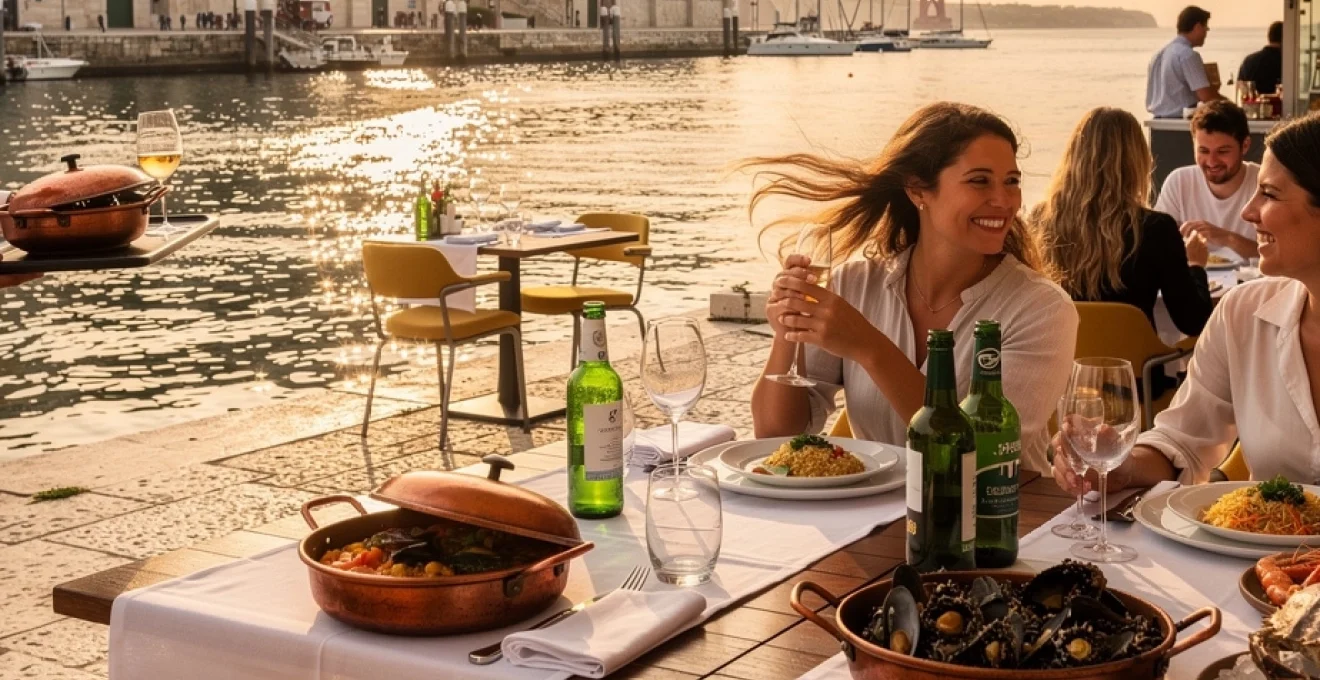
Lisbon’s relationship with water has defined its identity for centuries. Positioned where the Tagus River meets the Atlantic Ocean, Portugal’s capital offers one of Europe’s most dramatic waterfront settings for culinary experiences. The city’s maritime heritage permeates its restaurant culture, creating dining environments where the sensory elements of location—the saline breeze, the rhythmic sound of waves, the reflected light dancing on water—become integral components of the meal itself. This unique confluence of geography, gastronomy, and atmosphere has positioned Lisbon as a destination where eating by the water transcends simple sustenance to become a multi-dimensional experience engaging all senses.
For both residents and visitors, the waterfront dining scene represents more than picturesque views. It embodies a cultural approach to food that values context as much as content, where the environment shapes perception and enhances flavour. Recent culinary trends emphasize this holistic dining philosophy, recognizing that atmosphere, soundscape, and visual elements fundamentally alter how you experience food. Lisbon’s waterside establishments have mastered this integration, offering menus that reflect their aquatic surroundings whilst creating sensory environments that amplify the pleasure of each dish.
Waterfront dining districts: lisbon’s premier riverside and oceanfront locations
Lisbon’s waterfront dining landscape divides into distinct geographical zones, each offering characteristic atmospheres and culinary identities. Understanding these districts helps you navigate the city’s extensive waterside restaurant offerings and select venues aligned with your dining preferences and expectations.
Docas de santo amaro: converted warehouse gastronomy along the tagus
The Docas de Santo Amaro district exemplifies successful urban regeneration through gastronomy. These former industrial warehouses along the Tagus River underwent comprehensive renovation in the 1990s, transforming functional cargo storage facilities into a continuous strip of restaurants, bars, and nightlife venues. The architectural preservation maintained the industrial aesthetic whilst introducing contemporary dining infrastructure, creating spaces where exposed brick and steel beams frame sophisticated culinary offerings.
This district attracts a cosmopolitan clientele seeking refined dining with unobstructed river views. The establishments here range from Portuguese seafood specialists to international fusion concepts, but all capitalise on their direct waterfront positioning. During summer months, outdoor terraces extend dining capacity significantly, allowing you to eat mere metres from the water’s edge. The district’s popularity means advance reservations become essential during peak tourist seasons, particularly for sunset dining slots when the western light transforms the Tagus into a copper-coloured expanse stretching towards the Atlantic.
The maritime ambience here feels curated rather than accidental. Restaurant designers have consciously incorporated nautical elements—ship lanterns, rope detailing, porthole-shaped windows—that reference the buildings’ maritime heritage without descending into theme restaurant kitsch. This balance between authenticity and refinement characterises the Docas dining experience, making it particularly appealing for special occasions and business dining where you want impressive surroundings without sacrificing culinary quality.
Cais do sodré: historic port district transformed into culinary hub
Cais do Sodré presents a grittier, more authentic waterfront dining environment than the polished Docas district. Historically Lisbon’s principal port and red-light district, this neighbourhood underwent gradual gentrification beginning in the early 2000s, with food-focused establishments driving much of the transformation. The area now balances working port functionality with trendy restaurants, creating an atmosphere where you might observe ferry commuters alongside diners savouring elaborate tasting menus.
The dining venues here occupy a spectrum from traditional cervejarias serving grilled sardines and beer to experimental establishments pushing Portuguese cuisine’s boundaries. This diversity reflects Cais do Sodré’s transitional character—simultaneously working-class neighbourhood and hipster destination. The authenticity this creates appeals to diners seeking experiences beyond tourist-focused environments, where local workers occupy neighbouring tables and conversations occur in Portuguese rather than English.
Waterfront positioning here varies considerably between establishments. Some restaurants command direct river access with expansive terraces, whilst others sit several streets back, offering only glimpsed water views between buildings. This geographic variation creates corresponding price differentiation, allowing you to choose between premium waterfront tables and more budget-conscious options that still provide atmospheric
ambience shaped as much by the movement of ferries and river traffic as by interior design. In recent years, the adjacent Time Out Market has further consolidated Cais do Sodré’s status as a culinary hotspot, drawing food enthusiasts who then spill out towards the waterfront for drinks and dinner by the water in Lisbon. If you value dynamic street life, layered history, and a sense of the city still actively working around you, this district provides one of the most immersive places to dine near the Tagus River.
Belém waterfront: traditional pastéis and contemporary seafood establishments
Further west along the Tagus, Belém combines monumental history with relaxed riverside dining. This district, associated with Portugal’s Age of Discoveries, hosts iconic landmarks such as the Jerónimos Monastery and Belém Tower, making it a natural focal point for visitors seeking to pair sightseeing with waterfront meals. The promenade here follows the river closely, offering multiple cafés, esplanades, and restaurants where you can sit outdoors and watch cruise ships and sailboats glide past.
Belém is synonymous with pastéis de nata, and the original Pastéis de Belém bakery attracts continuous queues of locals and tourists. Many visitors choose to enjoy these custard tarts on nearby benches overlooking the water, effectively transforming a simple pastry into an informal riverside dining experience. Beyond sweets, the area supports a growing number of contemporary seafood restaurants and wine bars that reinterpret Portuguese classics, often with open kitchens and minimalist interiors that contrast with the surrounding Manueline architecture.
One of the advantages of dining by the water in Lisbon’s Belém district is the balance between tranquillity and accessibility. The wide promenade absorbs crowds, so even on busy weekends there are pockets of calm where you can find a table with unobstructed river views. If you are planning a full day in the area, consider scheduling lunch at a riverside restaurant followed by a late-afternoon walk towards the MAAT museum, where the undulating rooftop offers one of the city’s most photogenic perspectives over the Tagus at golden hour.
Parque das nações: modern marina dining at the former expo 98 site
On Lisbon’s eastern edge, Parque das Nações presents a strikingly different interpretation of waterfront dining. Developed for Expo 98, this district features contemporary architecture, landscaped promenades, and an extensive marina that feels more like a modern Mediterranean resort than a traditional Atlantic port. Restaurants and cafés line the riverfront, many with floor-to-ceiling windows and expansive terraces that maximise the sense of openness and light.
Parque das Nações is particularly appealing for families and business travellers staying in nearby hotels. The presence of the Oceanário de Lisboa, one of Europe’s largest aquariums, as well as a cable car running along the river, creates a leisure-oriented environment where you can easily combine cultural or recreational activities with a meal by the water. Many establishments here offer international menus—sushi, burgers, contemporary tapas—alongside Portuguese seafood, reflecting the cosmopolitan clientele drawn to this new part of the city.
If you value barrier-free promenades, modern infrastructure, and predictable comfort, Parque das Nações may suit you better than Lisbon’s older riverfront districts. The wide esplanades provide ideal conditions for al fresco dining during summer evenings, while sheltered terraces and glass-enclosed dining rooms make it a reliable choice in cooler months. From a sensory perspective, the atmosphere is defined less by historic charm and more by clean lines, controlled lighting, and the distant hum of the Vasco da Gama Bridge stretching across the estuary.
Portuguese seafood gastronomy: traditional dishes at lisbon’s water’s edge
Dining by the water in Lisbon almost inevitably leads to an encounter with Portuguese seafood gastronomy. The country’s extensive coastline and fishing traditions have produced a repertoire of dishes that feel most authentic when eaten within sight of the ocean or the Tagus. When you sit on a terrace and watch fishing boats or ferries cross the estuary, it becomes easier to understand why seafood holds such an important place in local culinary culture.
Many waterfront restaurants in Lisbon build their identities around specific traditional preparations, tailoring menus to highlight what is freshest and most seasonal. This focus on provenance has intensified in recent years, with chefs increasingly referencing the exact fishing ports and suppliers behind their products. For visitors, this creates an opportunity not just to taste emblematic dishes but also to learn about the ecosystems and communities that sustain Lisbon’s seafood cuisine.
Cataplana de marisco: copper pot seafood stews in riverside tascas
Cataplana de marisco is one of the most emblematic dishes you can order when dining by the water in Lisbon. Originating from the Algarve but widely adopted in the capital, this seafood stew takes its name from the distinctive clam-shaped copper vessel in which it is cooked and served. The cataplana functions like a pressure cooker, sealing in steam and aromas so that clams, prawns, white fish, and aromatics gently braise together, creating an intensely flavourful broth.
Along Lisbon’s waterfront—particularly in Alcântara, Cais do Sodré, and Belém—you will find both traditional tascas and more refined restaurants offering cataplana for two or more people. Ordering it becomes as much a social act as a culinary choice, as you share ladles of steaming stew at the centre of the table. The dish often arrives with a flourish, the lid lifted at the table to release a cloud of fragrant steam, engaging your sense of smell before you even taste the first spoonful.
When choosing where to try cataplana, look for menus that specify fresh, rather than frozen, seafood and that offer regional white wines by the bottle or glass. Ask staff about spice levels and broth style—some versions lean towards tomato and paprika, while others emphasise white wine, herbs, and garlic. If you are new to Portuguese cuisine, cataplana provides an accessible way to sample multiple types of seafood at once, much like an orchestral overture introduces you to all the main musical themes of a symphony.
Percebes and santola: barnacles and spider crab harvested from atlantic waters
For more adventurous diners, percebes (goose barnacles) and santola (spider crab) represent some of the most distinctive seafood experiences available when dining by the Atlantic near Lisbon. These delicacies are harvested along Portugal’s rugged western coast, where strong waves and rocky outcrops create ideal conditions for their growth. Because collection is physically demanding and sometimes dangerous, prices can be high, especially in peak demand periods such as summer and major holidays.
Waterfront restaurants in Cascais, Guincho, and some select spots in Belém and Alcântara occasionally feature percebes and spider crab on their menus, often highlighting them on chalkboard specials. Percebes are typically boiled briefly in salted water—sometimes enhanced with seaweed—to preserve their briny, almost iodine-rich flavour, then served simply on a platter. Eating them involves a tactile, hands-on process of twisting and peeling the outer shell to access the tender interior, making them as much a textural experience as a gustatory one.
Spider crab is often presented either whole or prepared as a creamy spread made from its meat and roe, served inside the cleaned shell. Paired with crusty bread and a chilled glass of Vinho Verde or a light coastal white wine, it becomes an indulgent starter that showcases the sweetness of Atlantic shellfish. If you are unsure whether to invest in these premium products, consider sharing a portion with your table; like sampling a rare vintage, even a small taste can provide insight into a unique corner of Portuguese maritime gastronomy.
Bacalhau à brás: salt cod variations served overlooking the tagus estuary
No exploration of dining by the water in Lisbon would be complete without mentioning bacalhau, the dried and salted cod that has sustained Portuguese cuisine for centuries. While there are said to be over 365 ways to prepare bacalhau—one for each day of the year—Bacalhau à Brás is among the most beloved and widely available, particularly in riverside and oceanfront restaurants. This dish combines shredded cod with thinly cut fried potatoes, onions, eggs, and olives, creating a comforting, savoury mixture with a soft, almost creamy texture.
Eating Bacalhau à Brás on a terrace overlooking the Tagus offers a layered historical resonance. The dish itself reflects centuries-old trade routes that brought cod from the North Atlantic to Lisbon, while the river flowing past your table recalls the voyages that made such commerce possible. Many contemporary chefs now offer refined versions that incorporate confit egg yolks, herb oils, or dehydrated olive powder, demonstrating how traditional dishes can evolve without losing their essential identity.
If you are sensitive to salt, do not hesitate to ask staff how the bacalhau has been desalted and prepared; reputable establishments will be able to describe their process in detail. You might also explore alternative cod dishes, such as bacalhau com natas (with cream) or grilled fresh cod, especially in venues that emphasise lighter, health-conscious coastal cuisine. Like learning different dialects of the same language, tasting several bacalhau preparations allows you to appreciate the versatility of this foundational ingredient.
Arroz de marisco: portuguese seafood rice paired with vinho verde
Arroz de marisco occupies a special place in the hierarchy of Portuguese seafood dishes, often reserved for leisurely weekend lunches or celebratory dinners by the water. This rich, soupy rice preparation combines shellfish—clams, mussels, prawns, occasionally lobster—with short-grain rice cooked in a concentrated seafood stock. The result falls somewhere between a risotto and a bouillabaisse, with a deep, layered flavour that rewards slow, attentive eating.
Many waterfront restaurants from Cais do Sodré to Cascais offer arroz de marisco for two or more people, sometimes requiring a minimum preparation time of 30–45 minutes. This waiting period becomes part of the experience, giving you the opportunity to sip a glass of crisp Vinho Verde or Arinto while watching boats move across the water. When the steaming pot finally arrives at your table, the combination of aromas, colours, and the gentle clinking of shells creates a multisensory moment that encapsulates the essence of dining by the water in Lisbon.
For the best experience, choose establishments that cook arroz de marisco to order rather than reheating pre-prepared batches. You can often ask for adjustments in richness or spice level, tailoring the dish to your preferences. If you are travelling in a small group, sharing a pot of seafood rice can feel like gathering around a campfire: everyone leans in, conversations slow, and the meal becomes a shared focal point rather than just another course.
Atmospheric elements: sensory components of lisbon’s waterside dining
Beyond food and location, what truly distinguishes dining by the water in Lisbon is the orchestration of atmospheric elements. When you sit down at a riverside or oceanfront table, you are entering a carefully balanced ecosystem of light, sound, temperature, and movement. Each of these components subtly shapes how you perceive flavours and how you remember the experience afterwards.
Modern hospitality research increasingly recognises that multisensory stimuli—music, lighting, air quality—can alter taste perception by as much as 10–20%. In Lisbon’s waterfront restaurants, these factors are not accidental by-products but integral parts of the offering. From live Fado acoustics to the gentle pressure of the Atlantic breeze on your skin, the environment becomes as important as the dishes on your plate in creating a truly sensory dining experience.
Fado acoustics: live portuguese guitar performances in alfama riverside restaurants
Although Alfama is better known for its hilltop viewpoints than for direct waterfront access, parts of the district slope down towards the Tagus, hosting a cluster of restaurants where Fado music and river views converge. In these venues, live performances of Portugal’s melancholic urban song tradition accompany dinner, often in dimly lit rooms where windows or small terraces open towards the water. The interplay between the Portuguese guitar’s crystalline tones and the distant glimmer of lights on the river produces an atmosphere that many visitors describe as uniquely Lisbon.
From a sensory perspective, Fado introduces an auditory layer that can profoundly influence your perception of taste and time. Slow, minor-key melodies encourage more deliberate eating, much like a carefully chosen soundtrack can change your experience of a film. Some studies suggest that certain music tempos can even make diners linger longer and order more courses, which might explain why many waterfront restaurants invest in regular live performances despite the logistical complexity.
If you are planning to combine Fado with dining by the water in Lisbon, it is worth researching venues in advance. Some prioritise musical authenticity with set listening periods, during which conversation is minimised, while others adopt a more relaxed approach where music becomes a background element. Consider what kind of evening you want—contemplative and immersive, or sociable and informal—and choose accordingly.
Atlantic breeze and saline air: microclimate effects on outdoor terrace dining
One of the immediate sensations you notice when dining on a terrace near the Tagus or the Atlantic is the distinctive feel of the air. The combination of humidity, temperature, and salinity creates a microclimate that can subtly influence both comfort and flavour perception. On warm evenings, a light breeze off the water can make outdoor seating far more pleasant than indoor alternatives, while on cooler nights the same wind may require blankets or strategically placed heaters.
Restaurants that specialise in dining by the water in Lisbon have become adept at managing these variables. Many provide windbreaks, adjustable awnings, and layered lighting that can be modulated as conditions change over the course of the evening. You might notice staff periodically lowering transparent screens or adjusting parasols, not merely for aesthetics but to maintain an optimal balance between exposure to the elements and guest comfort.
From a practical standpoint, it is wise to bring an extra layer if you plan to dine outdoors near the river or ocean, even in summer. Saline air can also subtly enhance perceptions of savouriness—what chefs call umami—in seafood dishes, much as adding a pinch of sea salt can sharpen flavours in a stew. The interplay between environment and palate becomes especially apparent when you compare the same dish eaten indoors versus on a terrace just a few metres closer to the water.
Golden hour illumination: sunset views from cristo rei to the 25 de abril bridge
Light is another crucial component of the sensory palette when you dine by the water in Lisbon. During the so-called golden hour—the period shortly before sunset—the city’s facades, the 25 de Abril Bridge, and the Cristo Rei monument across the river are bathed in warm, diffuse light that changes minute by minute. Waterfront terraces in Alcântara, Cacilhas, Belém, and Cais do Sodré often book out well in advance for this time slot, as both locals and visitors seek to align their main course with the most photogenic part of the day.
The quality of light can influence how you perceive colours and textures on your plate. Vibrant seafood stews, fresh salads, and chilled white wines take on almost cinematic qualities when illuminated by low-angle sunlight reflecting off the Tagus. For many diners, photographing their meal becomes part of the ritual, both as a way of documenting the experience and of extending it later through shared images.
If you are planning a special occasion—an anniversary dinner, a proposal, or a business meeting you want people to remember—consider timing your reservation to start roughly one hour before the published sunset time. This gives you space to settle in, order drinks, and watch the gradual shift from daylight to twilight, which can feel like watching the curtain rise and fall on a theatre stage. The meal itself becomes framed by this natural light show, adding an extra narrative layer to the evening.
Maritime soundscapes: ferry horns and seagull calls as dining ambience
While many restaurants carefully curate their interior playlists, waterfront venues also benefit from an ever-changing natural and urban soundscape. The distant horn of a departing ferry, the rhythmic slap of waves against harbour walls, the calls of seagulls circling fishing boats—all of these auditory elements contribute to the sense that you are eating in direct contact with Lisbon’s maritime life. Unlike artificially generated background noise, these sounds carry information about weather, tides, and human activity.
For some diners, this maritime soundtrack is as relaxing as a well-designed spa audio program; for others, it may occasionally intrude on conversation, especially when combined with busy terraces and live music. If you are sensitive to noise, you might prefer restaurants slightly set back from the water or those with glass enclosures that allow visual connection without full acoustic exposure. Alternatively, you can embrace the unpredictability as part of the charm, recognising that no two evenings will sound exactly the same.
Interestingly, sound researchers have found that natural water sounds can reduce stress and improve mood, which may explain why so many people report feeling more relaxed and generous when dining by the water in Lisbon. The combination of gentle background noise and the visual presence of the river or ocean can make time feel slower and more expansive, much like reading a book in a quiet café compared to scrolling through a phone on a busy street corner.
Signature waterfront establishments: notable restaurants along lisbon’s coastline
While Lisbon’s riverside and oceanfront districts offer dozens of appealing options, certain establishments have achieved particular recognition for combining cuisine, location, and atmosphere in exemplary ways. These signature venues often appear in travel guides, gastronomy blogs, and international rankings, making them reference points for anyone researching where to dine by the water in Lisbon. Visiting one or more of them can provide a useful benchmark for understanding the city’s broader waterfront dining culture.
It is important to note, however, that acclaim often brings higher prices and increased demand. Securing a table at peak times may require advance planning, especially if you want specific seating such as a front-row terrace table or a window-side booth. Consider what matters most to you—uninterrupted views, culinary innovation, traditional authenticity—and use that as your primary criterion when choosing among these and other options.
Ponto final: cacilhas ferry terminal restaurant with panoramic city views
Located across the Tagus in Cacilhas, Ponto Final has become one of the most iconic places to dine by the water with views back towards Lisbon. Reached by a short ferry ride from Cais do Sodré followed by a walk along the riverfront, the restaurant occupies a modest building perched right on the edge of the river. Its yellow chairs and simple tables are set on a narrow concrete platform, so close to the water that waves sometimes splash up against the base on windy days.
Ponto Final specialises in straightforward, well-executed Portuguese dishes—grilled fish, hearty stews, seasonal salads—served without unnecessary embellishment. Here, the real luxury lies in the panoramic perspective: as you eat, you look directly across to the city skyline, the 25 de Abril Bridge arching overhead like a suspension bridge in a film set. Sunset dinners can feel almost surreal, with the sky gradually shifting from blue to pink to deep indigo behind the silhouette of Lisbon’s hills.
Because of its popularity, Ponto Final can become very busy, and waiting times for walk-in guests may be significant, especially in summer and on weekends. Booking ahead and arriving slightly before your reservation time allows you to absorb the atmosphere without stress. The journey itself—the ferry crossing, the walk along the waterfront, the gradual reveal of the view—functions like a prologue to the meal, enhancing the sense that this is more than just another restaurant outing.
Doca peixe: michelin-recommended seafood at alcântara marina
Closer to the city centre, Doca Peixe at Alcântara Marina exemplifies a different approach to dining by the water in Lisbon: refined yet relaxed, with an emphasis on high-quality seafood and attentive service. Set among the converted warehouses and moored yachts of the marina, the restaurant benefits from a sheltered location that still offers immediate visual access to the Tagus and the underside of the 25 de Abril Bridge. Being Michelin-recommended, it attracts both local gourmets and international visitors seeking a trusted standard.
Doca Peixe is known for allowing guests to choose their fish directly from a display, which staff then weigh and prepare according to your preferred method—grilled, baked in salt, or pan-seared. This market-style interaction reinforces the connection between product and plate, reminding you that you are eating fish that may have been landed only hours earlier at a nearby port. Side dishes and starters often reinterpret classics with subtle modern twists, such as octopus carpaccio or codfish cakes served with inventive emulsions.
Reservations are highly advisable, particularly for Friday and Saturday evenings. When booking, you can request a table on the terrace or near the windows to maximise the waterfront feel. If you are interested in exploring Portuguese wine pairings, Doca Peixe’s cellar typically includes a robust selection of coastal whites and sparkling options, making it an excellent setting to experiment with matches between specific grape varieties and different types of seafood.
Darwin’s café: cascais beachfront dining at praia da rainha
Further along the coast in Cascais, Darwin’s Café (often associated with the Casa das Histórias Paula Rego cultural complex and nearby beachfront spots) illustrates how dining by the water near Lisbon extends beyond the capital’s municipal boundaries. Overlooking the Atlantic and in walking distance from beaches such as Praia da Rainha, this style of venue combines ocean views with a more resort-like ambience. Large windows, expansive decks, and contemporary design elements create a feeling of openness and light that complements the surrounding seascape.
The menu at such beachfront restaurants in Cascais typically blends Portuguese seafood staples with international comfort dishes, reflecting the cosmopolitan mix of residents and visitors. You might find grilled dourada (sea bream) alongside gourmet burgers, poke bowls, and vegetarian options, allowing mixed groups to dine together without compromise. The focus is less on formal fine dining and more on relaxed, all-day service where you can move fluidly from coffee to lunch to sunset cocktails.
One of the sensory advantages of Cascais beachfront dining is the immediate proximity to the open ocean. Unlike the more protected Tagus estuary, the Atlantic here feels larger and more dynamic, with waves, changing tides, and a broader horizon line. If you have already experienced riverside dining in Lisbon itself, spending an afternoon or evening at a place like Darwin’s Café provides a useful counterpoint, highlighting how different bodies of water shape different moods and culinary rhythms.
Esplanada furnas do guincho: atlantic-facing gastronomy near cabo da roca
Continuing along the coast towards Sintra, Esplanada Furnas do Guincho occupies one of the most dramatic settings for dining by the water in the greater Lisbon region. Perched on rocky cliffs overlooking the Atlantic near the famous Guincho beach and not far from Cabo da Roca, the westernmost point of mainland Europe, the restaurant faces directly onto the ocean. On days with strong swells, you can watch waves crash against the rocks below while safely seated behind glass or on a protected terrace.
The cuisine at Furnas do Guincho focuses squarely on high-quality fish and seafood, often grilled or baked with minimal intervention to showcase natural flavours. The combination of fresh Atlantic produce and the raw power of the surrounding seascape creates an experience that many diners describe as almost elemental—like eating at the edge of the world. It is an ideal setting for long lunches where time dilates, especially if you pair your meal with a bottle of chilled white wine and leave room for a leisurely dessert.
Because the location is somewhat exposed, weather plays a significant role in shaping each visit. On calm, sunny days, the terraces feel idyllic; on windier or cooler days, indoor seating behind large windows provides shelter without sacrificing views. If you are driving from Lisbon, consider combining a meal here with a visit to Cascais or a scenic drive through the Sintra-Cascais Natural Park, turning the excursion into a full-day exploration of coastal landscapes and gastronomy.
Seasonal variations: temporal factors influencing lisbon’s waterside culinary scene
Like any coastal city, Lisbon experiences distinct seasonal rhythms that shape its waterfront dining culture. Temperature, daylight hours, tourism flows, and even local fishing patterns all influence what is on the menu, when terraces open, and how easy it is to secure coveted riverside or oceanfront tables. Understanding these temporal dynamics can help you plan more rewarding dining experiences by the water in Lisbon and avoid common frustrations.
Broadly speaking, the high season for outdoor waterfront dining runs from late spring through early autumn, roughly May to October, when average evening temperatures make al fresco meals comfortable. However, shoulder seasons—April and November—can offer surprisingly pleasant conditions with fewer crowds, especially on sunny days when sheltered terraces near the Tagus retain warmth. Winter brings shorter days and more variable weather, but also quieter restaurants, seasonal seafood like certain shellfish, and a different, more introspective atmosphere along the river and ocean.
Seasonality also affects what seafood is most sustainably available. Portuguese fisheries operate under strict quotas and closed seasons for species such as sardines and certain crustaceans, meaning that responsible restaurants adjust their menus accordingly. Asking staff about seasonal specialities not only enhances your meal but also supports more sustainable fishing practices—a small but meaningful way to give back while enjoying the privilege of dining by the water in Lisbon.
Pairing portuguese wines with waterfront cuisine: regional viniculture and seafood harmony
Wine plays a central role in elevating meals by the water in Lisbon from pleasant to memorable. Portugal’s diverse wine regions, many of them influenced by maritime climates, produce bottles that pair naturally with seafood, grilled fish, and even richer dishes like cataplana and arroz de marisco. Learning a few basic principles of Portuguese wine pairing can feel like acquiring a new navigation tool: suddenly, the map of the wine list becomes easier to read.
For light, fresh seafood—oysters, percebes, steamed clams—coastal whites from regions such as Vinho Verde, Lisboa, and Setúbal often work beautifully. Their vibrant acidity and saline notes echo the maritime environment, much like a cool sea breeze cutting through the richness of a sunny day. Fuller-bodied whites from regions like Bucelas (noted for its Arinto grape) or Alentejo can complement grilled fish and creamier cod dishes, providing enough structure to stand up to bolder flavours.
Do you enjoy experimenting with rosé or sparkling wine? Many Lisbon waterfront restaurants now stock an array of Portuguese rosés and espumantes, which can be excellent companions for shared platters of petiscos (small plates) or afternoon snacks by the river. Even red wines have their place: lighter, chilled reds made from grapes like Baga or Castelão can work with tuna, octopus, or even grilled sardines, especially on cooler evenings when you crave something more robust.
If you feel uncertain when confronted with an unfamiliar Portuguese wine list, do not hesitate to ask for guidance. Sommeliers and knowledgeable waiters in waterfront restaurants are accustomed to helping guests find bottles that complement both their chosen dishes and the setting—perhaps suggesting a coastal white that mirrors the view from your table or a specific vintage known for its freshness. Over time, you may find that the memory of particular meals by the water in Lisbon becomes intertwined not only with the taste of seafood and the sound of waves, but also with the distinctive character of the wines that accompanied them.