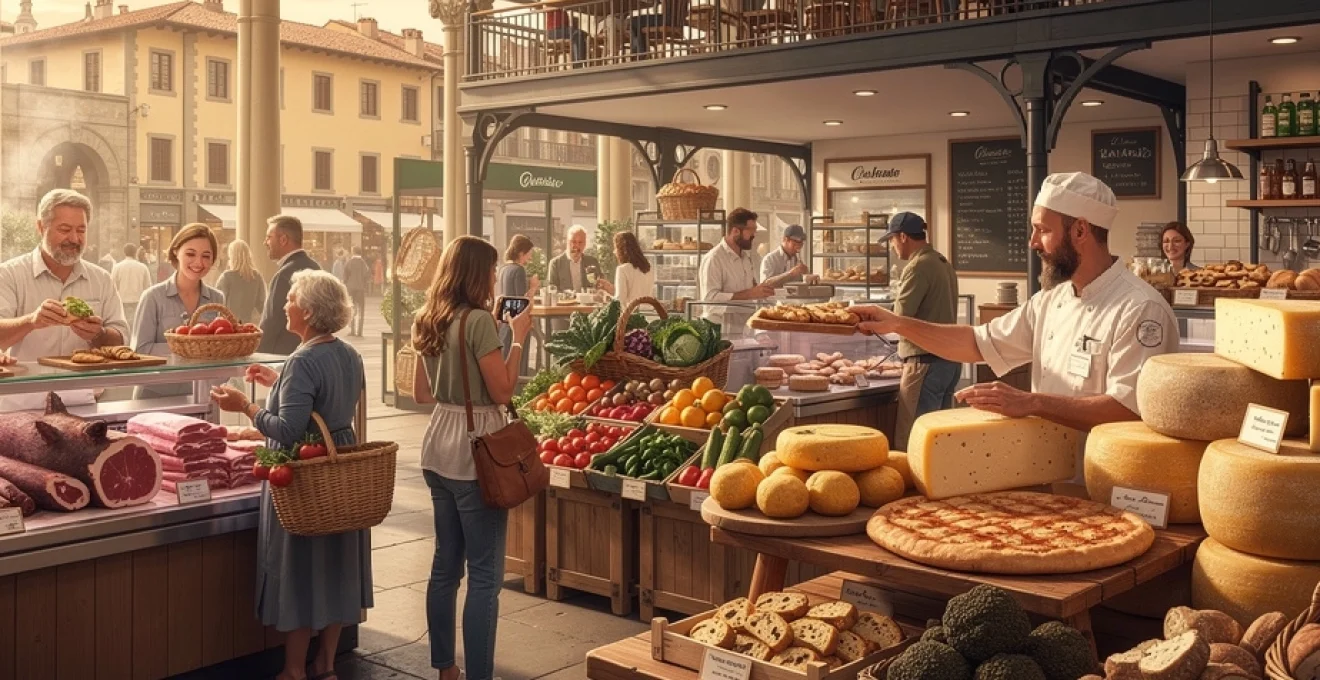
Florence’s culinary identity extends far beyond its renowned restaurants and trattorias. The city’s authentic flavour lies within its bustling food markets, where generations of vendors have traded premium Tuscan produce, artisanal cheeses, and traditional delicacies since the 19th century. These markets serve as living testaments to Florence’s gastronomic heritage, offering visitors an unfiltered glimpse into the daily rhythms of local life. From the architectural splendour of iron-and-glass structures to the intimate neighbourhood stalls where regulars greet vendors by name, Florence’s markets represent more than mere shopping destinations—they embody the soul of Tuscan food culture. Whether you’re seeking seasonal vegetables from nearby Chianti farms, hand-rolled pasta, or the infamous lampredotto sandwiches that define Florentine street food, these markets provide an immersive sensory experience that no restaurant can replicate. The careful selection of ingredients, the passionate conversations about proper cooking techniques, and the unmistakable aroma of freshly baked bread create an atmosphere where tradition and contemporary food appreciation converge harmoniously.
Mercato centrale: florence’s historic Two-Storey gastronomic hub
Situated in the San Lorenzo district, Mercato Centrale stands as Florence’s most iconic food marketplace. Designed by Giuseppe Mengoni—the architect behind Milan’s Galleria Vittorio Emanuele II—this magnificent structure opened in 1874, celebrating innovative iron-and-glass construction that revolutionised Italian market design. The building’s exterior features substantial pietra serena stonework reminiscent of nearby Palazzo Medici Riccardi, whilst the interior soars with luminous spaces beneath glassed ceilings that flood the halls with natural light. This architectural masterpiece successfully bridges traditional Florentine aesthetics with forward-thinking European design sensibilities.
The market’s two-level configuration offers distinctly different experiences. The ground floor maintains its original character as a traditional marketplace, whilst the renovated first floor, reopened in 2014, showcases contemporary culinary innovation. This dual nature allows visitors to experience both old-world authenticity and modern gastronomy within a single venue. With over 3,000 square metres of space accommodating twelve specialist food stations and 500 seats, the upper level functions as Florence’s premier gourmet food court, operating seven days weekly from mid-morning until midnight—a stark contrast to the ground floor’s more traditional hours.
Ground floor butchers and traditional florentine trippa vendors
The ground floor of Mercato Centrale houses some of Florence’s most respected butchers, many representing third or fourth-generation family businesses. These macellai possess encyclopaedic knowledge about meat cuts, preparation methods, and traditional Tuscan recipes. Walk past their immaculate displays and you’ll encounter cuts rarely seen in standard supermarkets: beef tongue arranged with surgical precision, cow stomach prepared for trippa, and various offal cuts that feature prominently in Florentine cuisine. The butchers gladly share advice on cooking times, portion sizes, and even family recipes passed down through decades of service.
Among these traditional vendors, the trippa specialists occupy a particularly revered position. Trippa alla Fiorentina—tripe stewed with tomatoes, onions, and aromatic herbs—represents quintessential Tuscan cucina povera, the peasant cooking tradition that transforms humble ingredients into extraordinary dishes. These vendors serve steaming portions of tender tripe throughout the day, often accompanied by crusty Tuscan bread for soaking up the rich, savoury broth. The preparation requires hours of careful simmering to achieve the perfect texture: soft yet maintaining slight chewiness that distinguishes properly cooked tripe from inferior versions.
Artisan cheese mongers specialising in pecorino toscano DOP
The cheese vendors at Mercato Centrale offer comprehensive selections of Italian artisanal cheeses, with particular emphasis on Tuscan varieties. Pecorino Toscano DOP dominates these displays, available in varying ages from dolce (young and mild) to stagionato (aged and sharp). This sheep’s milk cheese carries Protected Designation of Origin status, guaranteeing production within specific Tuscan regions according to traditional methods. The younger
versions pair wonderfully with fresh pears and honey, while the more mature wheels develop a pronounced nutty flavour and crumbly texture ideal for grating over hearty pasta dishes or shaving onto salads. Knowledgeable casari (cheesemongers) will happily guide you through tastings, explaining the differences between raw and pasteurised milk cheeses, natural versus waxed rinds, and how ageing conditions affect flavour. Many stalls also feature other Tuscan favourites such as ricotta di pecora, aged caciotta, and sharp pecorino di Pienza, allowing you to build a regional cheese board in a single stop. If you’re unsure what to buy, simply describe the meal you plan to cook or the wine you intend to pour, and the vendors will suggest pairings that reflect local eating habits and seasonal availability.
For travellers hoping to bring a taste of Florence home, these stalls are invaluable. Many cheesemongers offer vacuum-packing services and can advise on which products travel best and comply with customs regulations for your destination country. Hard and semi-hard cheeses like aged pecorino generally fare better on long journeys than fresh varieties, and careful packaging helps preserve their integrity for weeks. Planning an evening picnic overlooking the Arno or a simple market-to-apartment supper? A wedge of pecorino, a jar of Tuscan honey, and a loaf of unsalted pane sciocco from the neighbouring bakery will provide an effortlessly authentic Florentine meal.
Seasonal truffle traders and porcini mushroom specialists
Beyond cheese and cured meats, Mercato Centrale is a prime destination for enthusiasts of Tuscan truffles and wild mushrooms. Seasonal truffle traders, many of whom work directly with foragers in regions such as San Miniato and Mugello, showcase fresh white and black truffles during their respective seasons. White truffles typically appear from late October to December, while black truffles have a longer window from winter into early spring. These vendors also stock truffle-infused oils, salts, and spreads, providing more accessible ways to experience the region’s prized aroma without the higher cost of fresh truffles.
Porcini mushroom specialists add another dimension to the market’s forest-inspired offerings. In autumn, crates of fresh porcini arrive still dusted with earth, their caps glossy and firm, ready to be sliced into risottos, grilled as a contorno, or preserved in olive oil. Outside the fresh season, dried porcini maintain a strong presence, their concentrated flavour transforming simple sauces and stews. Vendors will gladly demonstrate how to rehydrate dried mushrooms properly—using lukewarm water and reserving the soaking liquid as a flavourful broth—so you can recreate authentic Tuscan recipes at home. Wondering how much to buy? A small 50–100 gram packet of quality dried porcini can easily serve several meals, making it one of the most practical gourmet souvenirs from Florence.
These specialised stalls also act as informal classrooms for understanding seasonality in Tuscan cuisine. Ask about the best moment to purchase ovuli (Caesar’s mushrooms) or finferli (chanterelles), and you will likely receive a short lesson on rainfall, soil conditions, and traditional foraging grounds. In a world where many supermarket mushrooms are cultivated year-round, encountering vendors who talk about weather patterns and forest health feels almost like stepping into an earlier era. By engaging in conversation and sampling small quantities before committing to a larger purchase, you ensure both quality and authenticity in your culinary discoveries.
First floor contemporary food hall and craft beer outlets
If the ground floor of Mercato Centrale speaks to Florence’s past, the first floor showcases its evolving culinary present. Reopened in 2014 after extensive renovation, this contemporary food hall gathers a curated selection of artisans who each specialise in a single product category—pizza, fresh pasta, chocolate, gelato, regional cured meats, or gourmet burgers. With more than 500 seats spread across communal tables and counter-style seating, the space invites visitors to mix and match dishes from different stalls, creating bespoke meals that range from traditional Tuscan fare to international street food. It’s an ideal solution if you’re travelling with a group that has varied tastes or dietary needs.
Among the more modern additions are craft beer outlets highlighting the explosion of Italian microbreweries over the past decade. Once dominated almost entirely by wine, Tuscany now hosts dozens of small breweries producing pale ales, IPAs, saisons, and barrel-aged specialties. At Mercato Centrale, staff can help you navigate these offerings, suggesting pairings with everything from fried polpette (meatballs) to slices of schiacciata loaded with cured meats. Prefer wine? Natural and organic labels from Chianti, Montalcino, and lesser-known appellations are also well represented, often available by the glass so you can taste your way through the region without leaving the city centre.
Beyond eating and drinking, the first floor functions as a cultural hub. Cooking schools, bookshops focused on gastronomy, and periodic workshops on topics like sourdough baking or pasta shaping help deepen your understanding of Italian food traditions. Watching a pizzaiolo stretch Neapolitan-style dough or a cheesemaker shape mozzarella di bufala behind glass panels brings you closer to the craft behind the dishes you enjoy. For families, this interactive environment can be particularly engaging—children can see, smell, and taste different ingredients, transforming a simple lunch stop into an educational experience about authentic Florentine food culture.
Sant’ambrogio market: authentic neighbourhood trading since 1873
Just east of Florence’s historic centre, Sant’Ambrogio Market offers a more intimate, neighbourhood-focused alternative to the busier Mercato Centrale. Opened in 1873 and also designed by Giuseppe Mengoni, this market retains a distinctly local character, with a clientele composed largely of Florentines doing their daily shopping. While tourists are increasingly discovering its charm, the atmosphere remains grounded in routines: elderly residents greeting vendors by name, chefs from nearby restaurants sourcing morning produce, and students grabbing budget-friendly lunches. For visitors seeking a more everyday snapshot of life in Florence, Sant’Ambrogio is invaluable.
The market is divided into two main areas: an indoor hall housing butchers, cheesemongers, fishmongers, and grocery stalls, and an outdoor section dedicated largely to fruit, vegetables, flowers, household goods, and clothing. Compared with the polished food court upstairs at Mercato Centrale, Sant’Ambrogio feels wonderfully unvarnished. Stalls are often family-run, prices are competitive, and conversations about recipes or the quality of the year’s olive oil harvest unfold naturally between vendor and customer. Arrive early—between 8:00 and 10:00 a.m.—to experience the market at its liveliest and to secure the best selection of seasonal produce and meats.
Daily fresh produce from chianti and mugello agricultural zones
One of Sant’Ambrogio’s greatest strengths lies in its direct connection to nearby agricultural areas such as Chianti and Mugello. Many fruit and vegetable vendors work closely with small-scale farmers who deliver seasonal goods several times a week, resulting in a display that shifts constantly throughout the year. In late spring, crates overflow with carciofi violetto (purple artichokes), tender peas, and wild asparagus, while summer brings sun-ripened tomatoes, fragrant basil, peaches, and apricots. Autumn ushers in baskets of new-season apples, pears, chestnuts, and uva da tavola (table grapes), followed by winter mountains of cavolo nero, leeks, and citrus.
If you are staying in an apartment and planning to cook, these stalls offer everything you need to recreate classic Tuscan recipes with authentic ingredients. Ask for tomatoes that are best suited for sauce versus salad, or seek advice on how to clean agretti or bieta (Swiss chard) if you encounter unfamiliar greens. Vendors are used to curious visitors and will often share basic preparation tips or even simple recipes, particularly if you show genuine interest in local cuisine. Concerned about buying too much? Many will sell half portions or smaller bundles, making it easier for travellers to avoid waste while still enjoying fresh, local produce during their stay in Florence.
Florentine schiacciata bakeries and traditional cantuccini producers
Interwoven among the produce stalls of Sant’Ambrogio are bakeries and pastry counters that celebrate some of Florence’s most beloved baked goods. Chief among these is schiacciata, a flat, olive oil–rich bread that forms the base of many local sandwiches. Baked in large trays and cut to order, schiacciata can be enjoyed simply with a sprinkle of sea salt, stuffed with slices of prosciutto crudo and pecorino, or filled with grilled vegetables and fresh cheeses for a lighter option. Its texture—crispy on the outside, airy and chewy within—makes it a versatile staple for breakfast, lunch, or an afternoon snack between museum visits.
Traditional cantuccini producers also have a presence in and around the market, offering versions of the famous twice-baked almond biscuits that range from classic to more contemporary interpretations with chocolate, pistachios, or dried fruit. In Tuscan tradition, cantuccini are served at the end of a meal with a small glass of Vin Santo for dipping, but they travel well and make ideal gifts. When purchasing, ask whether the biscuits are made with whole almonds and real butter, as quality ingredients greatly influence texture and flavour. A good cantuccio should be firm enough to dunk yet not so hard that it risks your dental work—a fine balance that experienced bakers master over years of practice.
For those interested in baking, some vendors will even share tips on achieving the characteristic crunch of cantuccini at home. The secret often lies in the second bake: low and slow, allowing the biscuits to dry out gradually without burning. Think of it as the biscotti equivalent of toasting nuts; gentle heat coaxes out flavour while preserving structure. Even if you never turn on an oven during your holiday, tasting a few different versions side by side at Sant’Ambrogio can help you understand why these simple biscuits have become such enduring symbols of Tuscan hospitality.
Wild boar butchers and cinta senese pork specialists
Meat lovers will find Sant’Ambrogio particularly enticing thanks to the presence of butchers specialising in wild boar and heritage pork breeds like Cinta Senese. Wild boar (cinghiale) has long been a cornerstone of Tuscan rural cuisine, especially in hillier areas where the animals roam freely. At the market, you’ll encounter everything from fresh boar meat suitable for slow-cooked ragù to cured sausages and salami seasoned with juniper, fennel seeds, or red wine. These products offer an opportunity to taste deeper, more gamey flavours than standard pork, embodying the rustic character often associated with Tuscan farmhouse cooking.
Cinta Senese pork, meanwhile, comes from an ancient breed of pig recognisable by the distinctive white band—or « belt »—around its shoulders. Raised primarily in semi-wild conditions in the hills around Siena, these pigs produce richly marbled meat with a higher fat content that melts into remarkable succulence during cooking. At Sant’Ambrogio, you may find Cinta Senese fresh cuts, finocchiona (fennel-scented salami), cured hams, and lardo. If you’re planning to cook, ask your butcher for guidance on the best cuts for grilling versus braising; if you’re simply tasting, a small selection of sliced cold cuts with bread provides an excellent introduction to this prized meat.
As with all speciality products, transparency and provenance matter. Reputable vendors will display official labels and certifications indicating Cinta Senese DOP status, and they should be able to describe the farms and feeding practices behind their products. Feel free to ask questions about curing times, ideal serving temperatures, and suggested wine pairings—these conversations are part of what makes visiting a Florentine market so rewarding. Think of it as having a mini masterclass in Tuscan charcuterie, free of charge, with every purchase.
Seasonal lampredotto stands and traditional panini vendors
No exploration of Florence’s markets would be complete without encountering lampredotto, the city’s most iconic street food. At Sant’Ambrogio, small stands dedicated to this humble yet beloved dish serve up steaming portions of slow-cooked cow’s fourth stomach, finely sliced and nestled into a crusty bun. The top half of the bread is traditionally dipped in the aromatic cooking broth, then the sandwich is dressed with salsa verde (a parsley, caper, and anchovy sauce) and optional spicy oil. The result is a panino that manages to be both comforting and intensely flavourful, with the tender meat absorbing seasonings like a sponge.
For those new to offal, ordering lampredotto can feel like a culinary leap of faith. Yet many travellers find that trying it at a bustling market stand, shoulder to shoulder with local office workers and retirees, helps demystify the experience. If you’re unsure, you can always ask for a smaller portion or share a sandwich with a friend; some vendors also offer the same meat prepared as meatballs or stews, which may feel more approachable. Beyond lampredotto, traditional panini vendors at Sant’Ambrogio assemble sandwiches with ingredients sourced directly from neighbouring stalls—freshly sliced prosciutto, grilled vegetables, local cheeses, and seasonal greens—creating quick, affordable lunches that reflect the market’s daily offerings.
Timing your visit can enhance the experience. Arrive around midday and you’ll see a cross-section of Florentine society lining up for panini, discussing football scores or weekend plans while waiting for their order. The scene captures the essence of the market as a social hub, not just a place of commerce. In many ways, these simple stands function as unofficial community canteens, where good food and conversation are inseparable. For visitors, joining the queue is one of the most direct ways to feel temporarily woven into the fabric of local life.
Organic farming cooperatives and slow food presidia producers
Both Mercato Centrale and Sant’Ambrogio increasingly host stalls run by organic farming cooperatives and producers associated with the Slow Food Presidia movement. These initiatives focus on preserving traditional varieties, sustainable farming methods, and small-scale production that might otherwise disappear in the face of industrial agriculture. You may notice labels indicating products are biologico (certified organic) or bearing the Slow Food snail symbol, often accompanied by information panels describing the history and cultural significance of specific foods. Examples include ancient grain flours, heritage bean varieties like zolfino, and artisanal honeys from specific Tuscan microclimates.
For visitors concerned about environmental impact or food ethics, these stalls offer a tangible way to support more sustainable food systems while in Florence. Producers are often present in person, eager to explain crop rotation practices, low-intervention winemaking, or traditional cheese-making techniques that rely on raw milk and natural cultures. Asking a farmer about the difference between industrial and stone-milled flour, for instance, can lead to a conversation that feels as rich as any museum tour—only here, the exhibits are edible. Selecting organic seasonal vegetables or heritage legumes to cook in your accommodation not only benefits your health but also aligns your travel choices with local efforts to protect biodiversity.
Price is an understandable concern, as organic and Presidia products often cost more than conventional alternatives. However, the difference is frequently smaller than many visitors expect, especially when you buy modest quantities suited to short-term stays. Think of these splurges as investments in experience rather than simple transactions; tasting a soup made from zolfino beans slow-simmered with sage and olive oil can reveal why Tuscan cooks are so passionate about specific varieties. Even if you do not cook while travelling, consider picking up shelf-stable items such as dried beans, heirloom polenta, or honey to take home—lightweight yet flavour-packed reminders of Florence’s commitment to food heritage.
Oltrarno artisan food workshops and bottega traditions
Across the Arno River, the Oltrarno district offers a different angle on Florence’s food culture, one rooted in small workshops and traditional botteghe rather than large covered markets. Historically known as a neighbourhood of artisans and craftspeople, Oltrarno still hosts family-run bakeries, pasta laboratories, and chocolate makers tucked into side streets and hidden courtyards. Many of these businesses maintain production methods that have changed little over generations, using wooden worktables, hand-operated machinery, and time-intensive techniques that prioritise quality over volume. Exploring these streets, you may smell freshly roasted coffee or see trays of hand-filled tortelli di patate waiting to be cooked.
Some workshops in Oltrarno now open their doors to curious visitors through organised tastings or short classes. You might spend an hour learning how to shape pici by hand, observing how a pasticcere layers delicate sfoglia for millefoglie, or understanding the tempering process that gives artisanal chocolate its snap and shine. These experiences complement market visits by revealing what happens after ingredients leave the stall and enter the kitchen. They also highlight the economic and cultural importance of small-scale producers, whose livelihoods depend on maintaining distinctive, high-quality offerings in an increasingly homogenised food landscape.
Even without formal tours, simply shopping in Oltrarno’s botteghe can feel like participating in a living tradition. Greengrocers who know their customers by name, salumerie with meticulously arranged displays of cured meats, and modest wine shops offering local labels on tap create an atmosphere closer to a village than a global tourist destination. When you buy a bag of flour from a mill-connected bakery or a jar of house-made ragù from a neighbourhood deli, you are helping ensure these skills remain viable for future generations. In this sense, Oltrarno functions as a bridge between Florence’s market halls and its domestic kitchens, reinforcing the idea that great Tuscan cooking starts with attentive sourcing and respect for craft.
Seasonal produce calendars: carciofi violetto to cavolo nero harvests
Understanding Florence’s markets becomes much easier once you grasp the rhythm of the seasonal produce calendar. Rather than offering the same selection year-round, vendors prioritise fruits and vegetables at their natural peak, when flavour and nutritional value are highest. In late winter and early spring, for example, you will see carciofi violetto—the tender purple artichokes that star in many Tuscan antipasti—alongside wild asparagus, fava beans, and early strawberries. By June and July, stalls shift towards tomatoes, zucchini blossoms, stone fruits, and fragrant melons that capture the essence of Tuscan summer.
Autumn is perhaps the most celebrated season in Florence for food lovers, bringing porcini mushrooms, new-season olive oil, grapes, figs, and various squash varieties ideal for roasting or puréeing into soups. As temperatures drop further, winter takes over with robust greens such as cavolo nero (Tuscan kale), savoy cabbage, and leeks, which feature prominently in dishes like ribollita and hearty minestrone. Paying attention to these shifts not only improves the quality of your meals but also connects you more deeply to the local landscape. After all, buying cavolo nero in January, when it has been sweetened by frost, is a very different experience from encountering imported kale at a supermarket shelf.
To help navigate the seasons during your visit, consider jotting down a simple mental checklist of what to look for each month or asking vendors directly, « What is best today? » This question, common among locals, often leads to recommendations you might never have considered, such as lesser-known greens, heritage apple varieties, or unusual beans. Think of the produce calendar as a culinary map: instead of streets and landmarks, it is made up of harvests and flavours, guiding you towards dishes that make sense for the time of year. By following it, you will find that even a modest market meal—say, a salad of ripe tomatoes and basil in August or a bowl of bean and kale soup in December—feels perfectly aligned with the Florentine seasons.
Florentine culinary terminology for market navigation and purchasing
Stepping into a Florentine food market for the first time can feel a bit like entering a new dialect zone, where familiar foods suddenly have unfamiliar names. Learning a handful of key terms not only simplifies purchasing but also signals respect for local culture, often resulting in warmer interactions with vendors. Basic words such as etto (100 grams), mezzo chilo (half a kilo), and un chilo (one kilo) will help you specify quantities, while phrases like da portare via or per asporto indicate you want your food to take away. When it comes to quality, terms such as fresco (fresh), stagionato (aged), and artigianale (artisanal) appear frequently on signs and labels.
Certain words are especially useful for navigating Florence’s distinctive offerings. Trippa and lampredotto refer to beloved offal dishes; schiacciata denotes the flatbread that underpins many market sandwiches; cantuccini and Vin Santo signal the classic dessert pairing; cavolo nero and fagioli cannellini indicate key ingredients in numerous Tuscan soups and stews. When buying cheese, you might hear dolce (young and mild) versus piccante (sharp); at the butcher, macinato means minced meat, while bistecca can range from a simple steak to the famed bistecca alla Fiorentina depending on context. If a term confuses you, do not hesitate to ask, « Cosa significa?« —many vendors enjoy explaining their craft.
Market etiquette is equally important. In most cases, you should avoid touching fruit and vegetables yourself unless explicitly invited; instead, point to what you want and let the vendor select the items. Have small bills and coins ready, as this speeds up transactions and is appreciated during busy periods. A simple « Buongiorno » on arrival and « Grazie, arrivederci » when you leave go a long way towards building rapport. Ultimately, navigating Florence’s markets is less about perfect language skills and more about curiosity and courtesy. Approach each visit as a conversation rather than a transaction, and you’ll find that the vocabulary of Tuscan food—its aromas, textures, and flavours—soon becomes second nature.