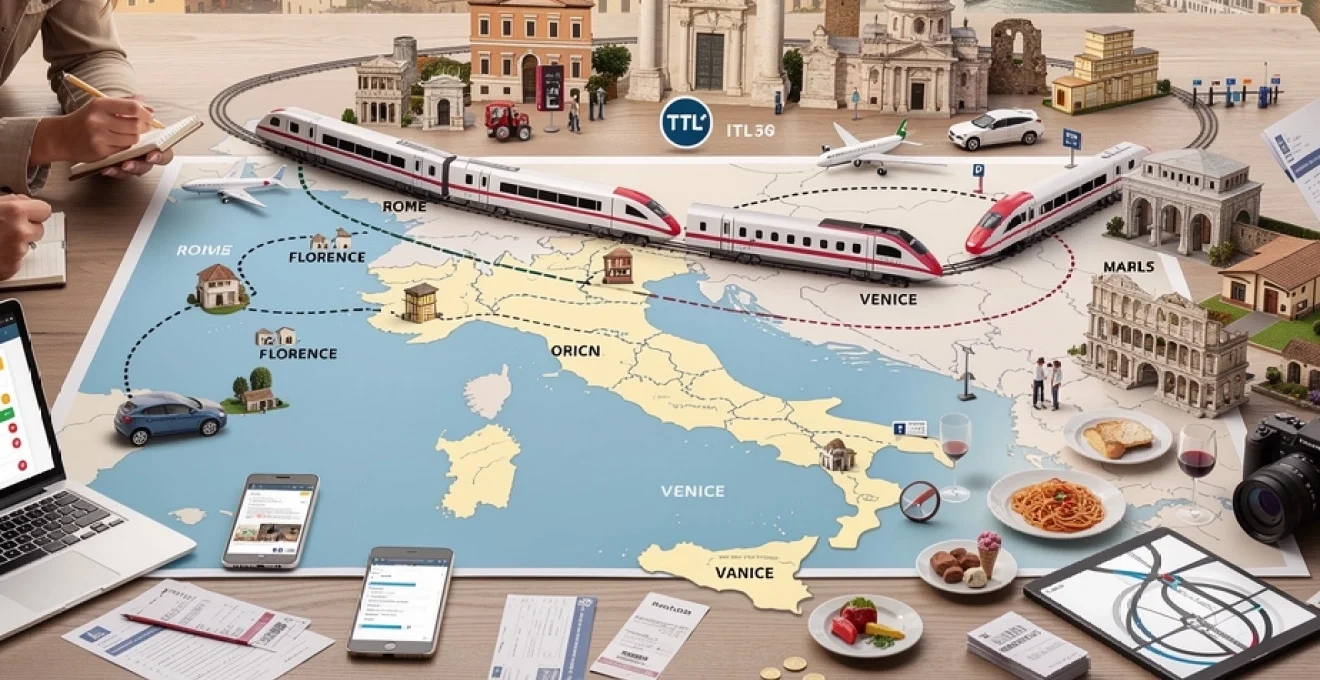
Italy’s extraordinary diversity makes it one of Europe’s most rewarding destinations for multi-city exploration. From the ancient grandeur of Rome to the romantic canals of Venice, each Italian city offers distinct cultural experiences, architectural marvels, and culinary traditions. The country’s compact geography and well-developed transportation infrastructure create ideal conditions for travellers seeking to immerse themselves in multiple regional identities during a single journey. Whether drawn to Renaissance art in Florence, fashion in Milan, or coastal beauty along the Amalfi Coast, strategic planning transforms ambitious Italian itineraries into seamlessly connected adventures.
Strategic route planning and transportation networks across italian regions
Effective multi-city Italian travel begins with understanding the country’s transportation backbone. Italy’s geography naturally divides into northern industrial regions, central cultural heartlands, and southern coastal territories, each connected by sophisticated rail networks, motorway systems, and regional airports. The boot-shaped peninsula stretches approximately 1,200 kilometres from north to south, making transportation choices critical for optimising both time and budget across diverse destinations.
High-speed rail connections: trenitalia frecciarossa and italo routes
Italy’s high-speed rail network represents Europe’s most efficient inter-city transportation system, connecting major destinations through dedicated tracks capable of speeds reaching 300 kilometres per hour. The Frecciarossa service operates along the primary north-south corridor, linking Milan, Bologna, Florence, Rome, and Naples with journey times that often rival domestic flights when considering airport transfers and security procedures.
The Milan-Rome route, Italy’s busiest high-speed connection, completes the journey in approximately 3 hours, while Rome-Naples requires just 1 hour and 10 minutes. Italo’s competing service offers similar speeds with enhanced onboard amenities, including complimentary Wi-Fi and cinema cars on select routes. Advanced booking typically reduces fares by 30-50%, making high-speed rail both time-efficient and economically attractive for multi-city travellers.
Regional transport integration: trenitalia regionale and urban transit systems
Regional rail networks complement high-speed services by connecting smaller cities and rural destinations often missed by international visitors. Trenitalia Regionale operates frequent services throughout Tuscany, linking Florence with Pisa, Siena, and Chianti wine regions. Similarly, regional trains provide access to Cinque Terre villages, Lake Como towns, and Puglia’s historic centres.
Urban transit systems vary significantly between cities, reflecting local geography and development patterns. Rome’s comprehensive metro network serves major attractions efficiently, while Venice relies on waterbus services navigating the Grand Canal and surrounding islands. Florence’s compact historic centre makes walking the preferred transportation method, though ATAF buses connect outlying areas and Oltrarno districts.
Rental car logistics: ZTL zones and autostrada toll planning
Rental cars offer flexibility for exploring rural regions and smaller towns, but require careful planning regarding Italy’s complex traffic restrictions. Zona Traffico Limitato (ZTL) areas restrict vehicle access in historic city centres, with automated cameras enforcing regulations that can result in substantial fines for uninformed visitors. Florence, Rome, and Bologna maintain particularly strict ZTL enforcement, making peripheral parking and public transport combinations essential strategies.
Autostrada toll roads connect major cities efficiently but add significant costs to multi-city itineraries. The Milan-Rome journey via A1 autostrada costs approximately €45 in tolls, not including fuel and parking expenses. Electronic toll collection systems like Telepass streamline payment processes for rental car users, though manual toll booths remain available for cash transactions.
Budget airlines and domestic flight routing: ryanair and alitalia connections
Domestic flights serve specific routing scenarios, particularly when combining northern and southern destinations or including island territories like Sicily and Sardinia. Budget carriers operate limited domestic routes, with most connections requiring European hubs for indirect routing. Rome Fiumicino and Milan Malpensa airports provide the most comprehensive domestic connectivity, though journey times including airport transfers often exceed high-speed rail alternatives for mainland destinations.
Direct flights between Rome and Catania or Palermo in Sicily require approximately 1 hour and 30 minutes, making air travel essential for incorporating
Direct flights between Rome and Catania or Palermo in Sicily require approximately 1 hour and 30 minutes, making air travel essential for incorporating southern islands into a multi-city Italian itinerary. When comparing domestic flights with high-speed trains, consider total door-to-door time: travel to and from the airport, check-in, security, and potential delays often add two to three hours. For routes such as Rome–Venice or Milan–Florence, high-speed rail typically remains the faster and more comfortable option. However, for itineraries combining Venice with Cagliari in Sardinia, or Milan with Palermo, budget airlines can significantly reduce travel time, especially when you travel with carry-on luggage only.
Accommodation strategy and regional lodging classifications
Choosing the right accommodation strategy for a multi-city trip across Italy requires balancing location, budget, and authenticity. Italy’s lodging landscape ranges from grand historic hotels and contemporary design properties to family-run guesthouses and countryside farm stays. Because you will likely change cities every few days, decisions about where to stay directly affect how much you can experience in each destination. Aligning your hotel choices with your route planning and transportation methods ensures smoother logistics and more time for exploration.
Historic centre positioning: proximity to UNESCO world heritage sites
Most Italian cities feature a clearly defined centro storico, often recognised as a UNESCO World Heritage Site or lying within walking distance of one. Staying within or just outside these historic cores can dramatically improve your experience, especially when you are visiting multiple cities in a short period. In Rome, accommodation near the Pantheon or Piazza Navona places you within easy reach of the Colosseum, Trevi Fountain, and Vatican City. Similarly, choosing a hotel close to Venice’s San Marco or Rialto districts allows you to explore the main islands on foot or by vaporetto without long transfers.
However, proximity to UNESCO-listed centres usually comes at a premium, with higher nightly rates and smaller room sizes in historic buildings. To manage costs on a multi-city itinerary, consider alternating between central properties in high-impact cities and slightly more peripheral locations in others. For example, you might stay directly in Florence’s historic centre but choose a neighbourhood just outside the walls in Siena or Pisa, relying on regional trains or buses for short commutes. This approach maintains access to Italy’s iconic landmarks while preventing accommodation costs from consuming your entire budget.
Boutique hotels vs agriturismos: regional authenticity factors
For travellers seeking authentic experiences on a multi-city trip across Italy, accommodation type can be as important as location. Boutique hotels in cities such as Florence, Bologna, or Turin often occupy renovated palazzi, combining period architecture with contemporary design and personalised service. These properties are ideal when culture, gastronomy, and walkable sightseeing are your priority, offering quick access to museums, theatres, and restaurants. Boutique stays also work well for shorter city breaks, where convenient check-in, luggage storage, and concierge support maximise limited time.
Agriturismos, by contrast, immerse you in rural Italy’s landscapes and culinary traditions. These working farms, common in Tuscany, Umbria, and Puglia, typically provide home-cooked meals based on local ingredients, vineyard views, and opportunities for activities such as olive harvesting or wine tasting. Integrating one or two agriturismo stays into a multi-city itinerary creates a welcome pause between urban centres, much like a deep breath between busy days of sightseeing. Think of it as the countryside chapter of your Italian story, adding depth and contrast to the metropolitan energy of Rome, Milan, or Naples.
When designing your route, you might pair a three-night stay in Florence with two nights at a Tuscan agriturismo, or combine Naples and Pompeii with a farm stay in inland Campania. Because agriturismos are typically reached by car, they work best in segments of your journey where you have a rental vehicle or private transfer. If you are relying solely on trains, focus on boutique hotels and central guesthouses, supplementing with day trips to rural areas rather than overnight countryside stays.
Booking platform optimisation: booking.com vs airbnb market analysis
Online booking platforms can significantly influence both the cost and flexibility of a multi-city trip across Italy. Booking.com dominates the Italian hotel market, offering everything from luxury properties and boutique hotels to guesthouses and B&Bs. Its advantages include flexible cancellation policies, transparent reviews, and clear location filters that allow you to target specific neighbourhoods near train stations or UNESCO sites. For itineraries with many moving parts, reserving cancellable rates ensures you can adjust dates or destinations if train timetables or flights change.
Airbnb and similar platforms offer apartments and short-term rentals that may be appealing for longer stays or travellers who prefer self-catering. In cities like Rome, Milan, and Florence, apartments can provide more space and the feeling of living like a local. However, regulations on short-term rentals have become stricter in certain municipalities, potentially reducing availability in historic centres and sometimes increasing cleaning and service fees. For short, two-night city stays within a packed itinerary, check-in coordination and luggage storage can also be more complicated in private apartments than in staffed hotels.
How do you decide which platform to use in each city? One tactic is to reserve hotels via Booking.com in fast-paced city segments where you need 24/7 reception, breakfast, and easy communication. In slower-paced destinations such as Sicily’s smaller towns or Puglia’s coastal villages, apartment rentals or holiday homes may offer better value for extended stays. Always cross-check property locations using maps: a “five-minute walk” from the station can sometimes mean a steep uphill climb in hillside towns like Positano or Taormina, which matters when you are carrying luggage between multiple stops.
Peak season pricing dynamics: venice carnival and florence summer patterns
Seasonality exerts a powerful influence on accommodation pricing and availability in Italy, particularly for multi-city itineraries that cross several regions. Venice Carnival, typically held in February, and major events like the Venice Biennale cause hotel rates to spike and availability to shrink months in advance. In such periods, centrally located hotels around San Marco often sell out first, pushing late bookers to less convenient districts or neighbouring mainland towns such as Mestre. If your multi-city trip must include Carnival, consider booking at least six to nine months ahead, and factor higher nightly rates into your overall budget allocation.
Florence experiences its own pricing peaks during summer, especially from June to early September, when tourists flock to the Uffizi Gallery, Accademia, and nearby Tuscan countryside. Similar patterns occur in Rome around Easter and in coastal areas such as the Amalfi Coast and Cinque Terre in July and August. To manage costs, you can strategically sequence your multi-city route to visit the most expensive destinations during shoulder seasons—May or late September—while scheduling less touristed regions like Umbria or Emilia-Romagna in the height of summer. This way, you avoid concentrating all your high-rate nights in the same expensive period.
Dynamic pricing also means that even within a single week, weekday and weekend rates may vary. In business-focused cities like Milan or Turin, weekends can sometimes be cheaper, as business travel drops and leisure travellers gain negotiating power. In contrast, weekend nights in Rome and Venice tend to be more expensive due to consistent tourist demand. Monitoring prices across several dates and being flexible by one or two days can yield significant savings over the course of a ten- or fourteen-night itinerary.
Cultural itinerary construction and museum pass strategies
Building a cultural itinerary for a multi-city trip across Italy involves more than listing must-see sights. To avoid museum fatigue and long queues, it helps to plan themed days, alternate intense sightseeing with lighter experiences, and optimise entry fees with city or regional passes. Italy’s major cities offer a mix of state-run museums, church-owned treasures, and privately managed attractions, each with distinct booking systems. Understanding how these systems interact allows you to design days that are rich in culture yet realistic in pace.
Vatican museums and sistine chapel: advanced booking systems
The Vatican Museums and Sistine Chapel in Rome rank among Italy’s busiest cultural sites, often attracting over 20,000 visitors per day in peak season. For multi-city travellers who may have limited time in Rome, advanced booking is not optional but essential. Official online reservations typically allow you to select specific entry times, bypassing the standard ticket queue and reducing waiting times from hours to minutes. Morning slots before 10:00 a.m. or late afternoon entries after 15:00 tend to be less crowded, improving your overall experience.
Because the Vatican Museums visit can easily consume half a day, integrate it with nearby attractions rather than pairing it with another major museum in the same day. For instance, you might explore St Peter’s Basilica and climb the dome on the same day, leaving the Colosseum or Forum for another morning. Many travellers underestimate the sheer size of the Vatican Museums, which stretch over several kilometres of galleries. Think of it as a marathon rather than a sprint: choosing a few key sections in advance—such as the Raphael Rooms, the Gallery of Maps, and the Sistine Chapel—helps prevent exhaustion, especially when you have other cities ahead on your itinerary.
Uffizi gallery and accademia: florence museum pass integration
Florence concentrates extraordinary art treasures in a compact walkable centre, making it a highlight of any multi-city trip across Italy. The Uffizi Gallery and Accademia, home to Michelangelo’s David, are the city’s two major draws and often sell out days or even weeks in advance during high season. Florence offers combined ticket options and city passes that can streamline access to multiple museums, such as the Uffizi, Pitti Palace, and Boboli Gardens, while sometimes including public transportation. These passes are particularly useful if you plan at least two full days of intensive cultural exploration.
When building your Florence itinerary, consider alternating “heavy” museum days with lighter schedules focused on neighbourhoods like Oltrarno, where artisan workshops and less-crowded churches provide a different cultural dimension. Booking timed-entry tickets for mid-morning or early afternoon allows you to enjoy quieter early hours strolling along the Arno or visiting markets such as San Lorenzo. Because Florence is often one stop among many, overloading your schedule here can lead to burnout that affects the rest of your Italian journey. Thoughtful pacing—one major museum per day, supplemented by open-air sites like Piazzale Michelangelo—keeps the experience inspiring rather than overwhelming.
Doge’s palace and san marco: venice city pass optimisation
Venice’s cultural heart lies around Piazza San Marco, where St Mark’s Basilica and Doge’s Palace anchor most first-time itineraries. Both sites attract heavy crowds, especially when cruise ships are in port, so pre-booked tickets or city passes such as the Musei di Piazza San Marco combined ticket can save both time and money. Several passes include access to Doge’s Palace, the Correr Museum, and other civic museums, making them ideal for travellers spending at least two full days in Venice. For shorter stays, targeted skip-the-line tickets to one or two key sights may be more efficient.
Because Venice is compact yet intricate, planning your cultural visits by neighbourhood reduces backtracking through narrow alleys and crowded bridges. You might dedicate one day to the San Marco and Castello districts, including Doge’s Palace and the Basilica, and another to Dorsoduro’s art scene with the Gallerie dell’Accademia and Peggy Guggenheim Collection. Think of Venice as a labyrinth where each sestiere offers its own mood; a well-designed cultural itinerary ensures you are not spending half your limited time simply navigating from one side of the lagoon to the other.
Archaeological site access: pompeii, colosseum, and forum romanum logistics
Italy’s archaeological sites introduce an entirely different layer of cultural planning, with larger open-air spaces and exposure to weather conditions. In Rome, the Colosseum, Roman Forum, and Palatine Hill are typically bundled into combined tickets with timed entries for the Colosseum itself. Booking these in advance is crucial, as daily visitor caps can sell out, particularly from April to October. Early morning or late afternoon slots not only offer cooler temperatures but also softer light for photography, an important factor when your itinerary includes multiple historic cities.
For those continuing south to Naples and the Amalfi Coast, Pompeii and Herculaneum become natural additions to a multi-city trip across Italy. Trains from Naples to Pompeii Scavi station make day trips straightforward, but visiting both Pompeii and Mount Vesuvius in one day can be ambitious. Consider dedicating a full day to Pompeii alone if you are an archaeology enthusiast, or pairing Herculaneum with the archaeological museum in Naples for a more focused experience. As with Rome’s sites, archaeological exploration can be physically demanding, so avoid scheduling another major museum or long travel segment on the same day whenever possible.
Regional culinary tourism and gastronomic route mapping
No multi-city trip across Italy is complete without a deliberate focus on food, as each region expresses its identity through distinctive dishes, wines, and dining customs. Rather than treating meals as incidental, you can design a gastronomic route that parallels your transport itinerary, turning transfers between cities into opportunities for tasting local specialities. From Roman cacio e pepe to Neapolitan pizza, Bolognese ragù, and Sicilian cannoli, culinary experiences become a thread that ties your journey together.
One effective strategy is to assign each region or city a culinary theme. Rome might focus on classic trattorie and Jewish-Roman cuisine in the Ghetto; Florence on bistecca alla fiorentina and Chianti wines; Bologna on fresh egg pastas such as tagliatelle al ragù and tortellini in brodo. As you move north to Milan, risottos and aperitivo culture take centre stage, while Venice invites you to sample cicchetti—small bar snacks—alongside local wines in bàcari bars. Thinking of your route as a tasting menu, where each city contributes a different “course,” helps ensure variety and prevents you from ordering the same dishes repeatedly.
Food markets and local cooking classes can further enrich your culinary itinerary. Incorporating a market visit in Palermo’s Ballarò or Florence’s Mercato Centrale allows you to see the ingredients behind Italy’s iconic recipes, while a half-day cooking class in Rome or Bologna translates these ingredients into hands-on skills. These activities also work well on days when you want a break from conventional sightseeing but still wish to connect with local culture. Because popular food tours and classes often have limited group sizes, reserving spots in advance—especially in peak months—ensures your gastronomic plans align smoothly with your overall timetable.
Budget allocation and financial planning frameworks
Financial planning for a multi-city trip across Italy requires a structured approach, as costs can escalate quickly when you combine multiple transport modes, diverse accommodations, and high-demand cultural attractions. A useful framework divides your budget into core categories: transportation between cities, local transit, accommodation, food and drink, cultural activities, and contingency funds. By assigning approximate percentages—for example, 30–40% for lodging, 20–25% for transport, 20–25% for dining, and the remainder for attractions and extras—you gain a clear overview before booking begins.
Because prices vary significantly by region, you can adjust your route to balance expensive and affordable destinations. Venice and the Amalfi Coast, for instance, sit at the higher end of the price spectrum, while cities like Turin, Bologna, or Lecce often provide better value for money. If your overall budget is fixed, limiting nights in premium locations and expanding time in less costly regions allows you to maintain quality without constant cost-cutting. It is much like adjusting the ingredients in a recipe: reducing the most expensive components while enhancing those that are flavourful yet more affordable.
Daily spending caps help keep on-the-ground expenses under control. Estimating a realistic per-day figure for meals, local transport, and incidental purchases in each city—and tracking it via a simple app or spreadsheet—prevents end-of-trip surprises. Remember to account for one-off larger expenses such as high-speed train tickets, museum passes, and guided tours when calculating your average daily cost. Maintaining a small contingency reserve, typically 10–15% of your total budget, covers unexpected costs like last-minute itinerary changes, luggage storage, or medical needs.
Digital tools and mobile applications for italian travel management
Digital tools can transform the logistics of a multi-city trip across Italy from complex to manageable. Journey planners such as Trenitalia and Italo apps enable real-time train schedules, mobile ticket storage, and notifications about platform changes or delays. Urban navigation tools like Google Maps or Citymapper (available in select Italian cities) assist with public transport routes, walking directions, and estimated travel times between attractions. By consolidating your reservations and transport details in one or two key apps, you reduce paper clutter and make on-the-go adjustments far easier.
Language and payment apps add further convenience. Translation tools with offline Italian dictionaries help you read menus, understand transport notices, and communicate in smaller towns where English is less common. Mobile banking apps and contactless payment options simplify expense tracking, though it remains wise to carry some cash for rural areas, small cafés, and markets. Note that two-factor authentication for online payments may require SMS access, so ensure your phone plan or eSIM supports roaming in Italy.
Finally, itinerary management platforms can act as the “control centre” for your multi-city journey. Whether you use a dedicated trip organiser or a shared cloud document, storing hotel confirmations, train tickets, and museum bookings in a single, searchable location saves time when moving quickly between cities. Think of these tools as your digital concierge and filing cabinet combined: they do not replace thoughtful planning, but they make the execution smoother, allowing you to focus on enjoying Italy’s cities, landscapes, and cuisine rather than wrestling with logistics at every turn.