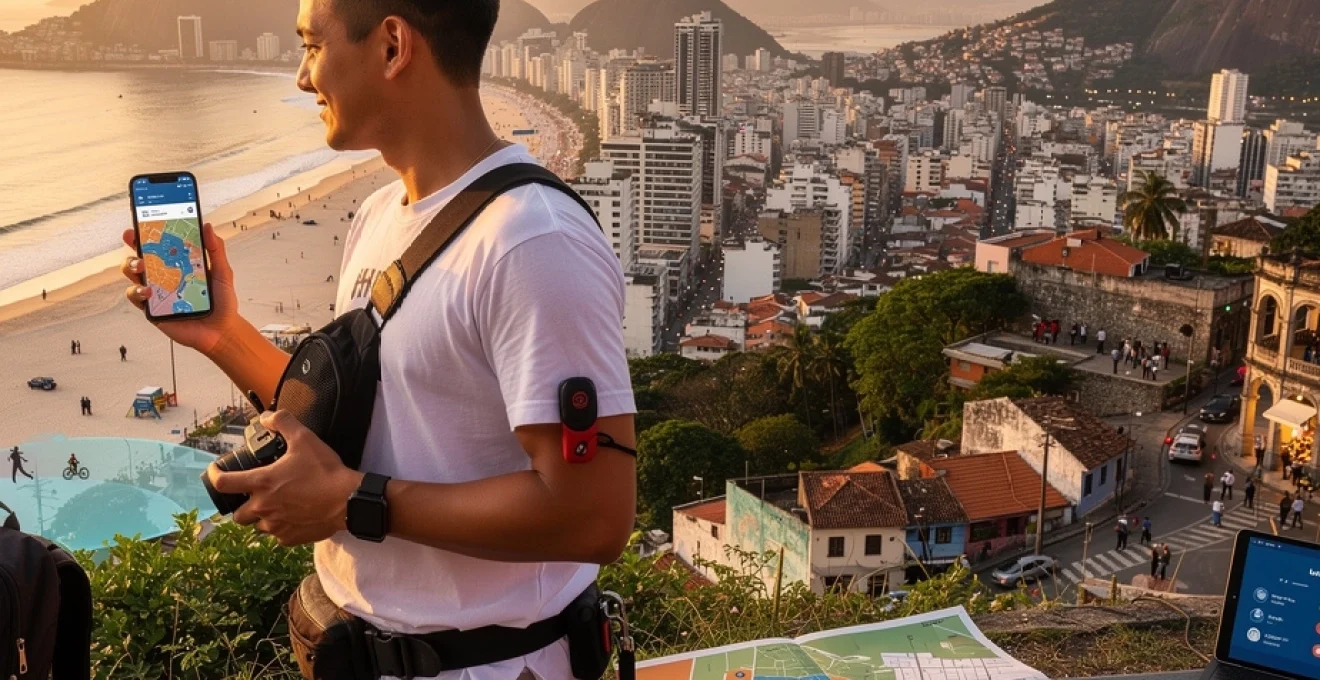
Rio de Janeiro captivates millions of visitors annually with its stunning beaches, vibrant culture, and iconic landmarks. However, this Brazilian metropolis presents unique security challenges that require careful preparation and informed decision-making. Understanding the complex safety landscape of Rio is essential for travellers who want to experience the city’s magic whilst maintaining personal security. From the bustling streets of Copacabana to the historic charm of Santa Teresa, each neighbourhood demands a tailored approach to safety awareness and risk mitigation.
Pre-departure security intelligence and risk assessment for rio de janeiro
Comprehensive pre-trip planning forms the foundation of safe travel to Rio de Janeiro. Understanding the city’s security environment before arrival enables informed decision-making and helps establish realistic expectations about potential risks. Recent crime statistics indicate that tourist-targeted incidents peak during high-season months, with petty theft accounting for approximately 78% of reported crimes against international visitors.
Crime pattern analysis in zona sul tourist corridors
The Zona Sul, encompassing Copacabana, Ipanema, and Leblon, experiences distinct crime patterns that vary significantly throughout the day. Beach theft incidents typically surge between 14:00 and 17:00 when crowds reach their peak density. Street robbery rates increase dramatically after 22:00, particularly along connecting streets between major avenues. Mobile phone snatching represents the most common crime category, with thieves often operating on motorcycles during rush hour periods.
Pickpocketing activities concentrate around metro stations, bus stops, and popular tourist attractions. Criminal organisations often deploy teams that include lookouts, perpetrators, and escape facilitators, making solo travellers particularly vulnerable. Understanding these operational patterns allows visitors to adjust their behaviour and timing accordingly.
Favela proximity mapping and tourist buffer zones
Rio’s geography creates complex security dynamics where affluent tourist areas directly border informal settlements. The proximity of favelas to popular destinations like Santa Teresa and parts of Copacabana requires careful route planning and situational awareness. Security experts recommend maintaining minimum 500-metre buffer zones from favela entrances during evening hours.
Several tourist attractions sit within what security professionals term “transition zones” – areas where formal and informal urban sectors intersect. These locations experience higher crime volatility due to their position along criminal transit routes. Visitors should research specific addresses rather than relying solely on neighbourhood names when assessing safety levels.
Seasonal crime statistics: carnival vs Off-Peak periods
Crime statistics fluctuate dramatically throughout Rio’s tourism calendar, with Carnival period showing a 340% increase in reported theft incidents compared to off-peak months. However, police presence also intensifies during major events, creating complex security dynamics. New Year’s Eve celebrations at Copacabana typically record the highest single-day crime rates annually, with over 2,000 reported incidents during the 2023 festivities.
Off-peak periods between April and June generally show the lowest crime rates against tourists, though this correlates with reduced police presence in tourist areas. Opportunistic crimes tend to increase during school holidays when local youth have increased leisure time. Understanding these patterns helps visitors choose optimal travel dates and adjust security precautions accordingly.
Embassy security briefings and consular alert systems
Major embassies in Rio provide regular security updates through various channels, including email alerts, social media, and dedicated hotlines. The British Consulate issues weekly security bulletins highlighting specific incidents and evolving threat patterns. These briefings often contain detailed information about recent crime trends that may not appear in general travel advisories.
Embassy security officers report that tourists who register with their consular services and follow official guidance experience 60% fewer serious security incidents compared to those who rely solely on commercial travel advice.
Neighbourhood-specific safety protocols across rio’s districts
Each of Rio’s distinct neighbourhoods presents unique security challenges requiring tailored safety approaches. Understanding these area-specific risks enables visitors to adapt their behaviour, timing, and precautions accordingly. The contrast between neighbourhoods can be stark, with security conditions changing dramatically within just a few blocks.
Copacabana beach front security dynamics and patrol
Copacabana beach front security dynamics and patrol schedules
Copacabana’s beachfront operates under a layered security model that combines visible police patrols, undercover officers, and private security linked to beachfront kiosks and hotels. Uniformed officers typically increase their presence from 10:00 to 18:00, with additional patrols during weekends and public holidays. Night-time coverage becomes more sporadic after 23:00, particularly along quieter side streets running perpendicular to Avenida Atlântica. You should therefore plan beach visits for daylight hours and use main avenues rather than dimly lit backstreets whenever possible.
Beach theft in Copacabana often follows predictable patterns, with groups targeting unattended bags, visible smartphones, and tourists distracted by the sea. Police refer to these coordinated thefts as arrastões – rapid “swarm robberies” where several thieves act at once. Staying within sight of lifeguard posts and clustered near mixed groups of locals and visitors can significantly reduce your risk. Treat your beach spot like an open office desk: only bring what you are prepared to lose and keep valuables locked in your accommodation safe.
Rio’s municipal guards and military police regularly coordinate special operations during high-season events such as New Year’s Eve and major concerts. While this increased presence improves overall beach security, it can also push criminal activity into adjacent streets, taxi ranks, and informal parking areas. You should remain alert when leaving large gatherings, as many incidents occur within the first 500 metres of departing the main crowd. Whenever possible, arrange your transport pick-up point in advance and avoid lingering while using your phone to request a ride.
Santa teresa’s elevated crime risk and evening transit restrictions
Santa Teresa’s hillside setting and artistic charm attract many visitors, yet its proximity to several favelas and limited road access create specific security challenges. Street lighting is inconsistent, and steep, narrow lanes can become isolated after dark, making evening robberies more likely. Local authorities and consular briefings consistently advise against walking between Santa Teresa and Lapa or Centro at night, even if navigation apps show these as the shortest routes. Instead, you should rely on registered taxis or app-based rides when moving in or out of the district after sunset.
The historic tram (bonde) offers a scenic way to reach Santa Teresa during the day, but services can be reduced in the evening or suspended during security operations. When service interruptions occur, informal alternatives such as unlicensed vans may appear, often without proper safety or insurance coverage. As a visitor, it is safer to wait for an official taxi at a known stand or have your accommodation call a trusted driver. Think of this neighbourhood like a beautiful hilltop fortress: stunning in daylight, but best accessed through secure gates rather than back paths after dark.
Accommodation selection in Santa Teresa should be particularly deliberate, with preference given to reputable guesthouses that provide clear guidance on safe walking routes and transport arrangements. Many established hotels maintain relationships with vetted drivers and can arrange door-to-door transfers, reducing your exposure to higher-risk streets. Before booking, you can request the exact address and check its surroundings on satellite maps to ensure it is not bordering favela entrances or poorly lit alleys. Clear arrival and departure plans help you enjoy the area’s bohemian atmosphere without unnecessary security compromises.
Lapa nightlife district: Alcohol-Related incident mitigation
Lapa is Rio’s nightlife heart, famed for its live samba bars, street parties, and iconic aqueduct arches. This concentration of bars and late-night venues also leads to a higher incidence of alcohol-related crimes, including pickpocketing, drink spiking, and opportunistic robberies. Incidents peak between 01:00 and 04:00, when crowds are densest and many visitors are least alert. If you plan to experience Lapa’s nightlife, setting a clear cut-off time to leave before the latest hours can substantially reduce your exposure.
Managing your alcohol consumption is one of the most effective safety measures in Lapa. Accepting drinks from strangers, leaving beverages unattended, or losing track of your group significantly increases your vulnerability. You should agree on a meeting point with friends in case of separation and carry only a small amount of cash, keeping backup cards locked in your accommodation. Treat your phone as your lifeline: keep it zipped away when not in use and step inside a bar or well-lit area before checking maps or ride-hailing apps.
Street-side music and informal vendors are integral to Lapa’s atmosphere, but they also create dense, chaotic conditions that skilled thieves exploit. Moving slowly through the most crowded areas, wearing a cross-body anti-theft bag, and avoiding back pockets for wallets are practical ways to reduce risk. Many embassies advise visitors to avoid isolated side streets off the main nightlife corridors, especially when returning to accommodation. If you feel followed or uncomfortable, enter the nearest busy venue or hotel lobby and request staff assistance in arranging secure transport.
Centro histórico pickpocket hotspots and commercial zone vigilance
Rio’s historic centre and commercial district, known as Centro, combines government buildings, corporate offices, markets, and cultural sites. During business hours, the area is densely populated, and most incidents involve non-violent pickpocketing and bag theft. Hotspots include the surroundings of Carioca, Uruguaiana, and Cinelândia metro stations, as well as crowded pedestrian streets like Rua da Assembleia and Rua da Carioca. You should maintain heightened vigilance during lunch hours and evening rush hour, when commuter flows peak.
Centro’s security environment changes markedly after office workers leave for the day. Many streets become quieter after 19:00, especially away from main avenues and transport hubs, increasing the risk of targeted robberies. For this reason, daytime visits to museums, churches, and historic landmarks are recommended, with a planned route back to safer districts like Zona Sul before nightfall. Think of Centro as a financial district in a major city: bustling and relatively safe by day, but best avoided on foot once shutters come down.
Using small, discreet bags, keeping cameras concealed between photos, and avoiding visible jewellery are simple but effective ways to stay safe in Centro. If you need to check directions, step into a bank lobby, shopping gallery, or café rather than pausing on the street with your phone held out. Local workers often walk with purpose and minimal visible valuables; mirroring this behaviour helps you blend in. When in doubt about a particular street, choose the busier alternative, even if it adds a few extra minutes to your journey.
Barra da tijuca tourist enclave safety infrastructure
Barra da Tijuca, in Rio’s west zone, offers a different safety profile compared to central and south zone districts. Wide avenues, modern shopping malls, and gated condominiums create a semi-enclosed environment sometimes described as a “city within a city.” Reported street crime rates per capita are generally lower than in Copacabana or Centro, but longer distances and heavier reliance on cars can introduce other risks, such as late-night stranded situations. Visitors staying in Barra should plan transport carefully, as walking between attractions often involves crossing large, poorly pedestrianised roads.
Private security plays a significant role in Barra’s safety infrastructure, with many hotels, malls, and residential complexes employing their own guards and CCTV systems. Major shopping centres like BarraShopping and VillageMall maintain visible patrols and controlled access points, making them relatively secure spaces for dining and shopping. However, transitions between these controlled zones and public streets can still be vulnerable moments. As you move between venues, avoid isolated underpasses and opt for clearly lit crossings and official taxi ranks.
Because Barra’s metro coverage is limited and distances are significant, most visitors rely on registered taxis or ride-hailing services. Travel time to central attractions can exceed an hour during peak traffic, increasing your exposure in transit if you do not plan routes in advance. It is wise to schedule earlier return journeys from nightlife elsewhere in the city to avoid being dropped off on quiet streets near your accommodation after midnight. When choosing lodging, prioritise properties close to main avenues or shopping centres, where security and transport options are more robust.
Transportation security framework: metro, taxi, and uber protocols
Safe movement around Rio de Janeiro depends heavily on how you manage transport risks across metro, bus, taxi, and ride-hailing options. Metro and official taxis generally provide the most secure balance between cost and safety for tourists, while buses and informal vans present higher exposure to theft and route deviations. Before arrival, you should familiarise yourself with metro maps, official taxi colours, and the interfaces of popular ride-hailing apps. Treat your transport strategy like a layered defence system: if one option becomes unavailable or feels unsafe, you already know your next best alternative.
The metro network is usually considered safe during operating hours, especially between 07:00 and 20:00 on weekdays. Security staff, CCTV, and regular passenger flows reduce the likelihood of violent crime, though pickpocketing remains a concern on crowded trains and platforms. To minimise risk, avoid the last car of near-empty trains, keep backpacks worn on your front, and stand away from carriage doors where snatch-and-run theft can occur. Late at night, particularly after major events, opt for taxis or ride-hailing services instead of near-empty metro stations.
When using taxis, always select official, licensed vehicles, typically identifiable by standardised colours, visible meters, and company stickers. Avoid entering taxis that are already occupied or that refuse to use the meter, and confirm the approximate fare via navigation apps before departure. For airport and intercity bus station transfers, use official taxi desks or pre-paid counters where available. Just as you would not board an unmarked plane, you should decline unlicensed taxis, no matter how persuasive the driver may be.
Ride-hailing services such as Uber, 99, and Cabify are widely used across Rio, often providing a safer and more transparent experience than street-hailed taxis, especially at night. Always check the licence plate, driver photo, and car model before entering, and avoid revealing that you are unfamiliar with the city when making small talk. If a driver suggests turning off the app or paying cash for a “cheaper ride,” politely refuse and, if necessary, end the trip in a populated, well-lit area. When being dropped off, you can request to stop a few metres before your accommodation entrance to avoid clearly signalling where you are staying.
Buses in Rio vary greatly in safety standards, routes, and crowding levels. Express buses on main corridors can be relatively safe during daylight, but routes passing near or through high-risk areas may be subject to occasional robberies or disruptions due to police operations. Visitors unfamiliar with local geography often find it difficult to assess bus route risk, increasing the chance of unintentional detours into unsafe zones. For most tourists, especially first-time visitors, focusing on metro, taxis, and ride-hailing services provides a more controlled and predictable security environment.
Personal security equipment and Anti-Theft technology solutions
Choosing appropriate personal security equipment can dramatically reduce the likelihood and impact of crime while exploring Rio de Janeiro. Instead of relying on a single gadget, think of your security gear as a toolkit designed to deter, delay, and document potential threats. The goal is not to feel like a guarded VIP, but to make yourself a less attractive target compared to less-prepared visitors. A minimalist but well-chosen set of items can quietly enhance your safety without interfering with the enjoyment of your trip.
Anti-theft bags with lockable zippers, slash-resistant straps, and discreet designs are particularly useful in crowded areas such as metro stations and street markets. Wearing a cross-body bag on the front of your torso and keeping it partially covered by your arm creates an additional barrier against opportunistic thieves. Money belts or hidden pouches worn under clothing provide a secure location for backup cash, a spare card, and a photocopy of your passport. To avoid drawing attention, you can store only low-value items in your visible wallet and use the concealed pouch for high-value documents.
Technology can further strengthen your personal security strategy. Enabling device location services and installing “find my phone” applications allow you to remotely track, lock, or wipe your smartphone if it is stolen. Consider using a low-cost secondary phone for day-to-day navigation and messaging while keeping your primary device secured at your accommodation. Portable power banks and short charging cables help ensure that you are never forced to stand in one place with your phone plugged into a public socket, a moment when thieves often strike.
Many travellers also benefit from simple, non-intrusive safety accessories such as RFID-blocking card sleeves, compact door wedges, and small personal alarms. While RFID skimming is less common than traditional theft, shielding your payment cards adds an inexpensive layer of protection. A portable doorstop with an integrated alarm can improve security in budget accommodation with weaker locks, especially for solo travellers. Think of these tools as seatbelts rather than armour: you hope never to rely on them, but you will be glad to have them if something goes wrong.
Finally, digital hygiene is an often-overlooked aspect of travel security. Using a reputable VPN on public Wi-Fi networks helps protect passwords and financial data from interception. You should avoid online banking or large financial transactions on unsecured networks, and enable two-factor authentication on key accounts before departure. By combining physical anti-theft gear with strong digital practices, you build a comprehensive shield against both street crime and cyber threats while in Rio.
Emergency response procedures and local authority contact protocols
Knowing how to respond during and after a security incident in Rio is just as important as trying to prevent one. Clear, rehearsed procedures help you remain calm and decisive if confronted with theft, assault, or medical emergencies. Before your trip, save local emergency numbers and consular contacts in both your phone and a written card stored separately. Ask yourself: if you lost your phone this moment, would you still know how to get help?
Brazil’s general emergency number is 190 for the military police, who handle most immediate crime responses. For medical emergencies, 192 connects you to ambulance services, while 193 reaches the fire brigade, which also responds to some rescue situations. English-speaking operators may not always be available, so learning a few key phrases in Portuguese or using translation apps can be invaluable. When calling, provide clear landmarks and nearby intersections, as not all drivers or officers will recognise hotel or venue names.
If you are the victim of a robbery, the standard guidance from local authorities and embassies is to prioritise your physical safety over possessions. Do not resist or make sudden movements, especially if weapons are visible or implied. Once you are in a safe location, contact the police to file a report (boletim de ocorrência), which you may need for insurance claims and replacement documents. Many larger districts have specialised tourist police stations (Delegacia de Atendimento ao Turista – DEAT) with staff more accustomed to assisting foreign visitors.
In the event of passport loss or serious incidents, you should contact your embassy or consulate as soon as possible. Consular staff can assist with emergency travel documents, liaison with local authorities, and in some cases, contacting family members. Registration with consular alert systems before you travel often speeds up this support, as your details are already on file. Keep scanned copies of your passport, visas, and key documents in secure cloud storage so that you can provide essential information even if your physical documents are stolen.
Medical preparedness is another critical component of your emergency response plan. Comprehensive travel insurance that covers private hospitals, emergency evacuation, and theft is strongly recommended for Rio de Janeiro. Before departure, identify at least one reputable hospital or clinic near your accommodation and note its address and contact number. Carry a basic first-aid kit and a list of any medications you take, including generic names, as brand names may differ in Brazil. By planning your response in advance, you turn a potential crisis into a manageable setback rather than a trip-ending disaster.
Cultural situational awareness and behavioural adaptation strategies
Effective situational awareness in Rio is not only about scanning for threats; it also involves understanding local cultural norms and adjusting your behaviour accordingly. When you align your conduct with that of Rio residents, you naturally reduce the “tourist spotlight” that can attract opportunistic criminals. Observe how locals carry their phones, interact in public, and choose where to stand or sit in crowded areas. Just as a surfer reads the waves before paddling out, you should read the social and spatial patterns around you before committing to a route or activity.
One of the most important behavioural adaptations is discretion with valuables. In many parts of Rio, locals avoid using expensive smartphones while walking on the street, preferring to step inside shops or stand close to building walls when they must check messages. Adopting this practice immediately lowers your profile. Wearing minimal jewellery, avoiding branded shopping bags in high-risk areas, and using modest clothing for daytime exploration all contribute to a safer travel experience.
Cultural sensitivity also enhances your safety. Loud arguments, confrontational behaviour, or public displays of frustration can escalate situations unnecessarily, especially in nightlife areas or crowded queues. Brazilians often favour indirect, polite communication to resolve minor conflicts, and mirroring this approach can help you defuse misunderstandings. If you accidentally bump into someone or step on a foot in a crowd, a quick “desculpa” (sorry) or “foi sem querer” (it was unintentional) can prevent tension from building.
Staying attuned to environmental cues is another key aspect of situational awareness. If you notice local pedestrians suddenly crossing the street, avoiding a particular underpass, or quickening their pace at certain corners, consider following their lead. Similarly, if street vendors rapidly pack up or shutters close unexpectedly, it may signal an unfolding police operation or nearby disturbance. Asking hotel staff for “streets to avoid” and safe routes to metro stations gives you a mental map of soft boundaries before you venture out.
Finally, remember that confidence and purpose in your movements can act as an informal protective layer. Walking with your head up, making brief eye contact without staring, and appearing to know where you are going can discourage some would-be opportunists. When you do need to check maps or directions, step aside into a café or shop rather than stopping abruptly on the pavement. By blending cultural awareness with practical safety habits, you can explore Rio de Janeiro with both curiosity and caution, enjoying its energy while keeping your personal risk under control.