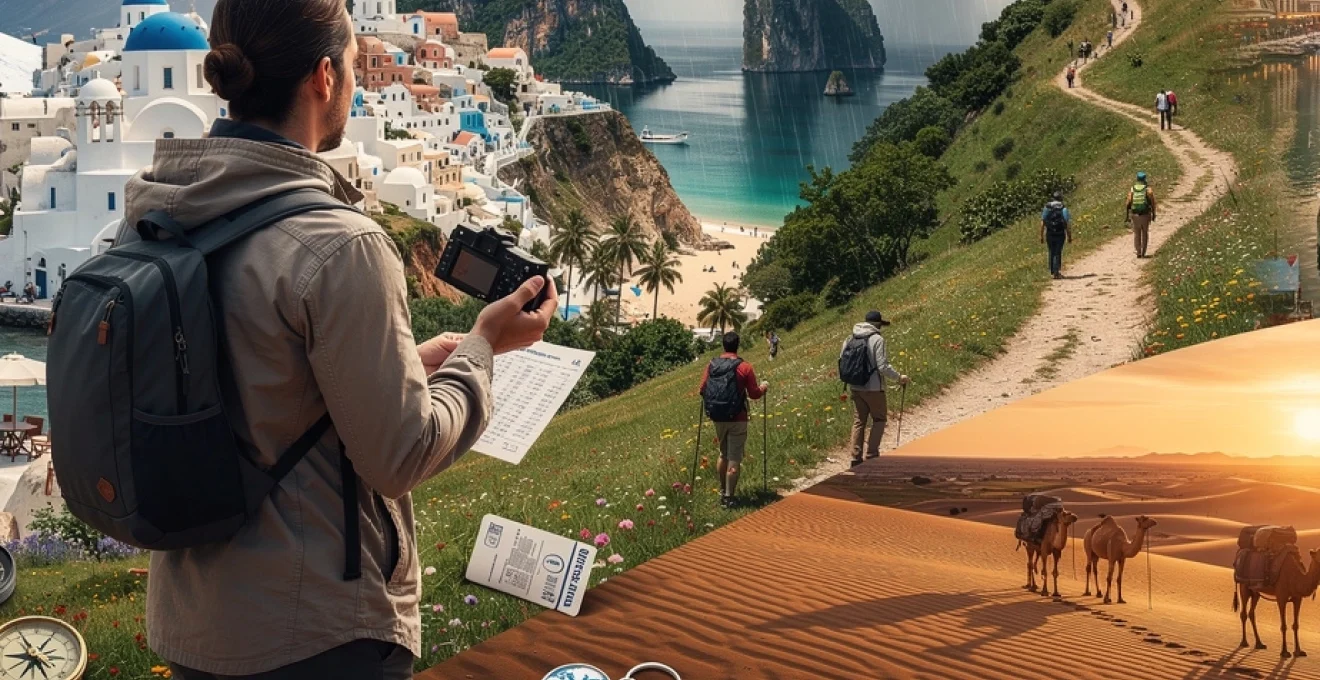
Seasonal timing fundamentally transforms the travel experience, influencing everything from weather patterns and accommodation costs to wildlife encounters and cultural celebrations. The decision of when to visit a destination can mean the difference between witnessing the Northern Lights in Iceland or experiencing endless daylight during the midnight sun season. Beyond mere convenience, seasonal awareness shapes budget considerations, activity availability, and the overall quality of experiences that define memorable journeys.
Modern travellers increasingly recognise that timing extends far beyond avoiding crowds or securing lower prices. Seasonal variations affect accessibility to remote locations, photographic opportunities, and the very essence of what makes certain destinations special. Understanding these temporal dynamics enables more informed decisions that align travel goals with optimal conditions, whether seeking adventure, relaxation, or cultural immersion.
Seasonal weather patterns and microclimatic variations across global destinations
Weather patterns represent the foundation upon which all travel planning rests, yet many travellers underestimate the complexity of seasonal variations across different geographical regions. Microclimatic conditions can vary dramatically within relatively small areas, making blanket seasonal advice insufficient for sophisticated travel planning. Understanding these nuances becomes crucial when planning multi-destination journeys or seeking specific weather conditions for particular activities.
Mediterranean climate zones: analysing santorini and mallorca’s shoulder season advantages
Mediterranean destinations showcase the advantages of shoulder season travel, offering optimal weather conditions without peak summer crowds. Santorini experiences ideal conditions during late April through early June and September through October, when temperatures range between 20-26°C and rainfall remains minimal. During these periods, accommodation rates drop by 30-40% compared to peak summer months, whilst maintaining excellent weather for sightseeing and photography.
Mallorca demonstrates similar patterns, with shoulder seasons providing perfect hiking conditions in the Tramuntana mountains. The island’s microclimate variations mean coastal areas remain warm whilst mountainous regions offer cooler temperatures ideal for outdoor activities. Spring brings wildflower blooms across the landscape, creating spectacular photographic opportunities that peak summer’s harsh light cannot match.
Monsoon systems impact on southeast asian travel windows in thailand and vietnam
Southeast Asian monsoon patterns create distinct travel windows that significantly impact destination accessibility and experience quality. Thailand’s dual monsoon system means different regions experience optimal conditions at varying times, with the east coast (Koh Samui, Koh Phangan) enjoying dry weather from January to September, whilst the west coast (Phuket, Krabi) remains driest between November and April.
Vietnam’s elongated geography creates three distinct climate zones, each following different seasonal patterns. Northern regions around Hanoi experience cool, dry winters ideal for trekking, whilst southern areas near Ho Chi Minh City maintain consistent tropical conditions. The central coast faces challenging weather during October and November, when typhoons frequently disrupt travel plans and limit outdoor activities.
Alpine weather phenomena: timing ski conditions in chamonix versus summer hiking in dolomites
Alpine destinations exemplify the dramatic seasonal transformations that define mountain travel experiences. Chamonix’s ski season typically extends from December through April, with optimal conditions occurring between January and March when snowfall accumulation peaks. However, climate change impacts increasingly affect snow reliability, making early and late season conditions less predictable than historical patterns suggest.
The Dolomites offer contrasting seasonal experiences, with summer hiking season running from June through September. July and August provide the most stable weather conditions, though afternoon thunderstorms remain common. September often delivers the most reliable weather for high-altitude trekking, combining stable conditions with spectacular autumn colours across the limestone peaks.
Desert climate considerations: optimal visiting periods for sahara morocco and atacama chile
Desert destinations require precise timing to avoid extreme temperatures whilst maximising comfort and safety. Morocco’s Sahara region becomes accessible to most travellers between October and April, when daytime temperatures remain manageable and nighttime conditions offer relief. Winter months provide the most comfortable trekking conditions, though nights can drop below freezing, requiring appropriate equipment preparation.
Chile’s Atacama Desert follows Southern Hemisphere patterns, with optimal visiting conditions occurring between April and October. The
region’s high altitude keeps temperatures relatively cool year-round, but winter nights can be bitterly cold and occasional rain can disrupt stargazing. Between May and September, clearer skies, low humidity and relatively stable temperatures create ideal conditions for astrophotography, salt flat excursions and high-altitude lagoons. Travellers should still plan for significant diurnal temperature variation, as daytime warmth often drops to near-freezing conditions after sunset.
Peak season pricing dynamics and tourism economic fluctuations
Beyond weather, seasonal timing directly shapes the cost of travel through complex pricing mechanisms. Airlines, hotels and online platforms rely on data-driven models that track demand spikes around school holidays, long weekends and major events. For travellers, understanding these seasonal pricing dynamics can translate into substantial savings, especially on popular European and coastal routes where prices can fluctuate by more than 50% across the year.
Airline yield management systems: decoding seasonal price elasticity on european routes
Airline yield management systems use historical demand patterns, booking curves and real-time search data to adjust fares throughout the year. On busy European routes such as London–Barcelona or Paris–Rome, average economy fares in August can be 30–60% higher than in late January or early March, reflecting lower price elasticity during school holidays. Carriers segment the market into fare classes, releasing cheaper seats months in advance and gradually increasing prices as departure dates approach and load factors rise.
For travellers, this means that seasonal flight pricing is less about fixed calendars and more about demand signals. Booking 6–10 weeks in advance for off-peak periods typically yields the best balance between availability and cost, whereas peak summer and Christmas travel often require planning 3–6 months ahead. Flexible dates and midweek departures can significantly reduce fares, especially when you avoid outbound travel on Friday evenings and return flights on Sunday nights, which are premium times for both leisure and business travellers.
Accommodation revenue per available room (RevPAR) variations in coastal destinations
Coastal destinations display some of the most pronounced seasonal swings in hotel RevPAR (revenue per available room), driven by weather, holiday periods and local events. In Mediterranean resorts such as the Costa del Sol or the Amalfi Coast, RevPAR during July and August can be two to three times higher than in November or February. This rise reflects not only higher nightly rates but also increased occupancy, often exceeding 90% during peak periods compared with 40–50% in low season.
Such seasonal hotel pricing means that choosing shoulder seasons can dramatically stretch your accommodation budget without sacrificing experience quality. In many European beach towns, May–June and September offer warm seas, open facilities and fewer crowds at rates 25–40% lower than mid-summer peaks. When evaluating where to stay, it can be helpful to compare historical RevPAR trends for different neighbourhoods, as central waterfront areas tend to show sharper price spikes than inland districts a short walk away.
Dynamic pricing algorithms in tourism: how booking.com and expedia adjust seasonal rates
Online travel agencies (OTAs) such as Booking.com and Expedia deploy dynamic pricing algorithms that react to real-time demand, search volume and competitor rates. These systems constantly recalibrate hotel prices, much like a stock market responds to buying and selling pressure. When a surge in searches for “Easter weekend in Rome” occurs, for instance, the platforms may prompt participating properties to increase rates, especially if availability is tightening.
From a traveller’s perspective, these dynamic pricing models make timing and behaviour critical. Searching repeatedly for the same dates without booking, or limiting yourself to weekend stays in obvious peak periods, can lead to higher displayed prices. To counteract this, you can experiment with flexible date tools, consider extending a trip to include weekdays, and monitor price alerts over a few days or weeks before committing. Treat it like watching a tide: by observing patterns and waiting for a lull, you often secure a better rate than those who book at the first wave of demand.
Currency exchange rate seasonality effects on international travel purchasing power
Seasonality also influences currency exchange rates, subtly affecting international travellers’ purchasing power. Tourism flows, trade cycles and central bank policy announcements can all cause predictable fluctuations at certain times of year. For example, currencies in export-driven economies may strengthen during peak shipping seasons, while destinations heavily reliant on tourism can experience seasonal inflows of foreign currency that temporarily stabilise local exchange rates.
While predicting forex movements with precision is impossible, travellers can still use broad seasonal trends to their advantage. Monitoring currency charts a few months before departure allows you to purchase foreign currency or lock in prepaid rates when your home currency is comparatively strong. For extended trips, it can be prudent to spread currency purchases over time, much like dollar-cost averaging in investing, to smooth out volatility and reduce the risk of buying at an unfavourable seasonal peak.
Wildlife migration patterns and natural phenomenon timing
In many destinations, the most remarkable travel experiences are intrinsically tied to seasonal wildlife behaviour and natural phenomena. The Great Migration in East Africa, whale-watching along the Pacific and Atlantic coasts, and bioluminescent plankton displays all follow precise ecological rhythms. Missing the right window by even a few weeks can mean the difference between witnessing extraordinary spectacles and encountering quiet, empty landscapes.
When planning trips around wildlife migration patterns, it is useful to think like a field scientist rather than a tourist. For instance, the wildebeest migration typically moves through Tanzania’s Serengeti from December to March and crosses into Kenya’s Maasai Mara around July to October, but exact timing shifts annually based on rainfall. Similarly, humpback whale seasons vary between the Northern and Southern Hemispheres, with prime viewing in Iceland from June to August and in South Africa from June to November. Working with local guides, checking recent sightings and allowing date flexibility can ensure that your travel calendar aligns with nature’s own.
Cultural calendar synchronisation: festival seasons and local event scheduling
Cultural calendars introduce another powerful layer of seasonality, turning ordinary trips into immersive experiences when timed with local festivals and events. Public holidays, religious observances and harvest celebrations often dictate when cities come alive with parades, street food and music—or conversely, when shops close and services reduce. Aligning your travels with these rhythms can be like catching a performance at its opening night rather than during a quiet rehearsal.
Religious festival timing: ramadan travel considerations across middle eastern destinations
Ramadan, which moves approximately 11 days earlier each year due to the lunar Islamic calendar, profoundly shapes daily life across many Middle Eastern destinations. During this month of fasting, restaurants may close during daylight hours, and working hours often shorten, especially in Gulf countries such as the UAE, Qatar and Saudi Arabia. For travellers, this creates a distinct seasonal experience: daytime streets can feel subdued, while evenings come alive after sunset with vibrant iftar meals and communal gatherings.
When planning travel during Ramadan, it is crucial to consider how your priorities align with these changes. If you value cultural immersion and wish to observe religious customs respectfully, Ramadan can be a rewarding time, offering unique insights into local life and often reduced daytime crowds at key sites. However, those seeking nightlife, all-day dining or beach bars may prefer to visit outside this period, when entertainment options and typical tourist services operate at full capacity.
Harvest festival seasons: oktoberfest munich and wine harvest in tuscany timing
Harvest seasons are another powerful driver of cultural seasonality, especially in Europe’s beer and wine regions. Munich’s Oktoberfest, typically running from late September to the first weekend in October, draws millions of visitors and significantly increases hotel rates, flight prices and crowd levels. Travellers aiming for the festival atmosphere should book accommodation 6–12 months in advance, while those preferring a quieter Munich may wish to avoid these weeks altogether.
In contrast, Tuscany’s wine harvest, or vendemmia, usually takes place from late August through October, varying by grape variety and annual weather conditions. Visiting during this period allows you to witness vineyards at their most active, with opportunities to tour wineries, participate in tastings and experience seasonal food pairings. However, smaller rural properties may prioritise harvest operations, so advance communication is wise to confirm availability of tours and tastings during such a busy agricultural season.
Cherry blossom forecasting: sakura season predictions across japan’s prefectures
Japan’s cherry blossom season illustrates how closely travel timing can hinge on delicate natural cues. Sakura season typically begins in the southern prefectures such as Kyushu in late March and sweeps northwards to Hokkaido by late April or early May. Meteorological agencies and travel boards publish annual forecasts, but actual bloom dates can shift by a week or more depending on winter temperatures and early spring weather.
For travellers eager to experience hanami (flower viewing), building flexibility into itineraries is essential. Rather than committing to a single city on fixed dates, you might plan a route that follows the likely blossom front—starting in Kyoto or Osaka before moving north to Tokyo, Sendai or Sapporo. Monitoring local forecasts, social media updates and live webcams can help you adjust plans in real time, much as a photographer tracks changing light conditions to capture the perfect shot.
Seasonal accessibility challenges in remote destinations
Remote and high-latitude destinations often confront travellers with significant seasonal accessibility challenges. In parts of the Arctic, Antarctic and high mountain regions, infrastructure operates only during narrow windows when ice, snow or sea conditions allow transport. Ferries may cease running, roads close due to avalanche risk and local airlines reduce schedules in shoulder or off-peak seasons, making timing as critical as choosing the destination itself.
Consider, for example, expedition cruises to Antarctica, which generally run from November to March when sea ice retreats enough for vessels to navigate. Early season voyages offer dramatic ice formations and fewer ships, while late season departures coincide with more active wildlife and milder conditions, but all require booking well in advance due to limited capacity. Similarly, trekking routes such as Nepal’s Annapurna Circuit or Peru’s Cordillera Blanca can become inaccessible or dangerous during heavy monsoon or snow periods, with some lodges and teahouses closing entirely until trails reopen.
Travellers targeting remote locations must therefore coordinate not only flights but also local permits, guides and emergency support around these seasonal constraints. Asking questions such as “Which roads close in winter?” or “When does the last ferry of the season run?” can prevent costly disruptions. In many cases, choosing the very start or end of the accessible window provides a balance between workable logistics and reduced visitor numbers, though the risk of sudden storms or early closures always demands contingency planning.
Photographic lighting conditions and seasonal golden hour variations
For visually driven travellers, seasonal timing is inseparable from photographic lighting conditions. The length, intensity and angle of golden hour—the soft light shortly after sunrise and before sunset—varies dramatically by latitude and time of year. In high-latitude destinations such as Norway or Iceland, summer golden hours can stretch into entire “golden nights,” while winter days may offer only a brief window of low, cinematic light sandwiched between long periods of darkness.
Understanding these seasonal golden hour variations allows photographers to plan itineraries with the same precision meteorologists apply to weather forecasts. Visiting the Dolomites in September, for example, provides mellow, angled sunlight that accentuates limestone textures, whereas midday summer light can feel stark and flat. Conversely, equatorial regions like Bali or Costa Rica offer relatively consistent day length year-round, with swift transitions between day and night that require precise timing to capture sunrise or sunset scenes.
For travellers aiming to document their journeys, aligning trip dates with favourable light can be as impactful as choosing the right camera. Winter city breaks in northern Europe, for instance, offer extended blue hours ideal for capturing illuminated architecture against a dusky sky, while autumn trips to New England benefit from low-angle light that intensifies foliage colours. By researching sunrise and sunset times, consulting seasonal photo guides and allowing extra days to account for cloud cover, you can transform a standard itinerary into a carefully choreographed visual story, where timing becomes the silent collaborator behind every memorable image.