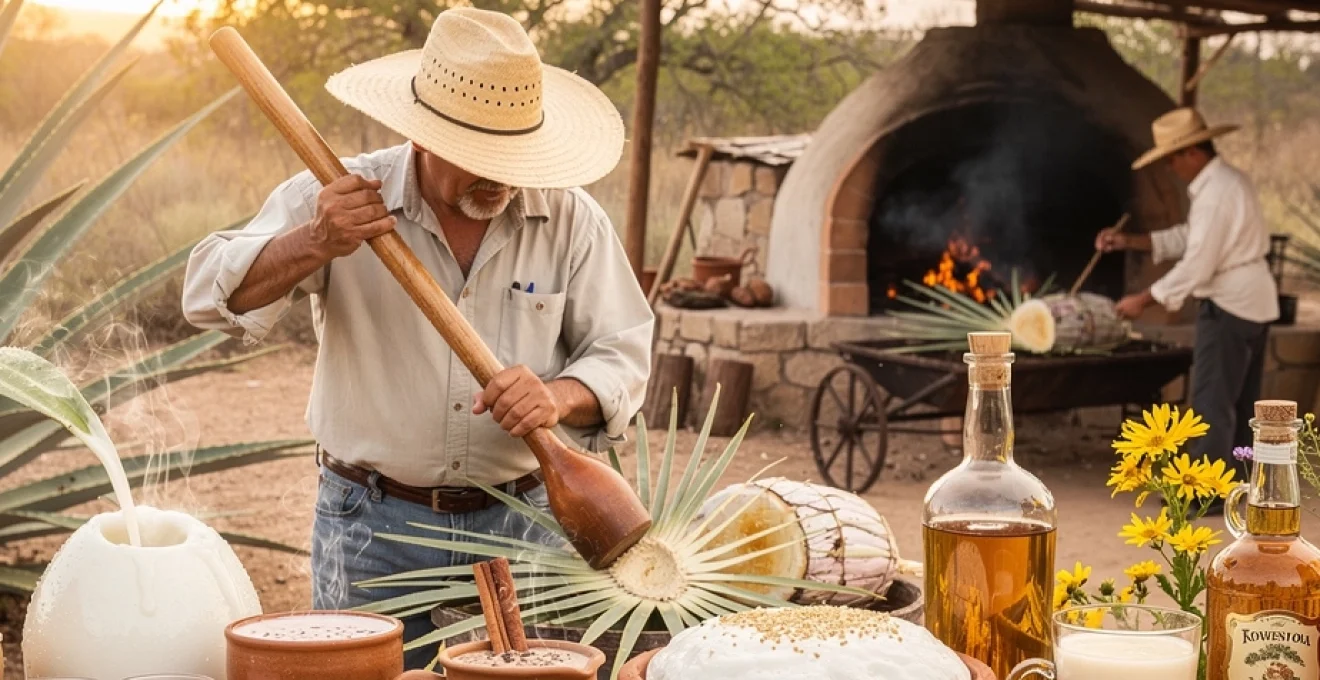
Mexico’s liquid heritage extends far beyond the amber spirits that line international cocktail bars. While tequila has rightfully earned its place on the world stage, the country harbours an extraordinary diversity of beverages—from ancient fermented drinks consumed during pre-Hispanic ceremonies to regional distillates produced in remote mountain villages. Each sip tells a story of indigenous ingenuity, colonial fusion, and the remarkable biodiversity of the Mexican landscape. These traditional beverages reflect millennia of cultural evolution, agricultural knowledge, and the deep connection between Mexican communities and their environment. For travellers and spirits enthusiasts alike, exploring Mexico’s beverage landscape means discovering drinks that have survived conquest, prohibition, and modernisation—each one a liquid testament to the resilience of tradition.
Ancestral fermented beverages: pulque production and cultural significance
Pulque stands as one of the oldest alcoholic beverages in the Americas, with archaeological evidence suggesting its consumption dates back more than 2,000 years. This viscous, milky beverage holds profound cultural and religious significance among indigenous communities, particularly the Aztecs, who considered it sacred. Unlike distilled spirits, pulque is a naturally fermented drink produced from the aguamiel (honey water) extracted from mature maguey plants. The production process requires considerable skill and patience, with traditional knowledge passed down through generations of tlachiqueros—the specialised workers who harvest the aguamiel. Despite facing near extinction during the 20th century, pulque has experienced a remarkable revival in recent years, particularly among younger urban Mexicans seeking to reconnect with their heritage.
Aguamiel extraction techniques from maguey salmiana
The extraction of aguamiel represents a delicate balance between agricultural knowledge and timing. Producers must identify maguey plants that have reached maturity—typically between eight and twelve years old—just before the plant would naturally flower. The central core, or heart, is carefully removed, creating a cavity where the sweet sap accumulates. This process, known as capar or castrating the plant, redirects the plant’s energy from reproduction into sap production. Skilled tlachiqueros scrape the interior walls of the cavity twice daily, stimulating continued sap flow whilst preventing premature fermentation. A single maguey can produce four to six litres of aguamiel daily for several months, yielding anywhere from 250 to 600 litres total before the plant exhausts itself and dies.
Tlachiquero traditions in hidalgo and tlaxcala regions
The states of Hidalgo and Tlaxcala remain the heartland of pulque production, where tlachiqueros continue practising their craft despite economic challenges. These specialist workers carry an acocote—a hollowed gourd used to suck the aguamiel from the maguey cavity—along with various scraping tools during their daily rounds through maguey plantations. The profession demands intimate knowledge of each plant’s productivity, the subtle signs indicating optimal harvest times, and the ability to maintain the delicate balance that maximises yield without damaging the plant. Many tlachiqueros work before dawn, collecting the aguamiel that has accumulated overnight and transferring it to large fermentation vats. Unfortunately, this traditional occupation faces an uncertain future, with younger generations often seeking more lucrative urban employment rather than continuing this labour-intensive heritage practice.
Curados de pulque: flavour variations with guava, celery, and oatmeal
Traditional pulque possesses an acquired taste—earthy, slightly sour, and with a distinctive viscosity that surprises first-time drinkers. Curados emerged as flavoured variations that make pulque more approachable whilst adding nutritional value. These creative blends incorporate fruits, vegetables, nuts, and even cereals, transforming the base beverage into something altogether different. Popular varieties include guava (which adds sweetness and vibrant colour), celery (surprisingly refreshing and said to aid digestion), oatmeal (creating an even thicker, almost meal-like consistency), and exotic fruits like mango or strawberry. The preparation involves blending the additional ingredients with fermented pulque, sometimes adding sugar or honey to balance flavours. Modern pul
dern pulquerías experiment with seasonal ingredients, superfoods, and even coffee or cocoa, echoing Mexico City’s evolving gastronomic scene. For visitors curious about traditional drinks in Mexico beyond tequila, curados offer a gentle introduction to pulque’s unique texture and flavour profile without overwhelming the palate.
Pulquerías in mexico city: revival of historical drinking establishments
Once on the brink of disappearing, pulquerías in Mexico City have undergone a renaissance since the early 2000s. Historically, these establishments were rowdy, male-dominated spaces with swinging doors, sawdust-covered floors, and strict religious imagery meant to discourage excessive drinking. Urban renewal, changing tastes, and the rise of industrial beer nearly erased them from the city’s social fabric. Today, however, a new generation of entrepreneurs has reimagined pulquerías as inclusive, culturally rich venues that celebrate pulque as a heritage beverage rather than a “poor man’s drink.”
In neighbourhoods like Roma, Doctores, and Centro Histórico, you will now find pulquerías that blend vintage décor with contemporary design, live music, and curated menus. Some of the oldest houses, such as century-old venues, have updated their image without abandoning murals, hand-painted signs, and traditional bar snacks like chicharrón and quesadillas. This revival is not just aesthetic: workshops, tastings, and guided tours educate visitors on pulque production, tlachiquero traditions, and the drink’s pre-Hispanic roots. For travellers exploring traditional drinks in Mexico beyond tequila, a visit to a Mexico City pulquería offers a living museum of working-class history and resilience.
Pre-hispanic cacao-based ritual drinks: xocolātl and champurrado
Long before coffeehouses and cocktail bars, cacao-based beverages occupied a central place in Mesoamerican ritual life. The Nahuatl word xocolātl—often translated as “bitter water”—described an unsweetened, frothy drink made from ground cacao, water, and sometimes maize, chilli, or aromatic flowers. Reserved for elites, warriors, and priests, this ancestral chocolate drink carried deep symbolic value as a source of vitality and a gift from the gods. Over time, Spanish colonial influence introduced sugar, dairy, and new spices, giving rise to hybrids like champurrado and Mexican hot chocolate that we recognise today.
These pre-Hispanic cacao drinks were not merely treats; they functioned as energy boosters, ceremonial offerings, and even forms of currency. When we sip a modern cup of champurrado on a cool morning, we are participating—perhaps unknowingly—in a ritual with roots stretching back more than 3,000 years. Understanding this lineage adds another layer of meaning to Mexico’s traditional drinks beyond tequila, showing how beverages can carry memory, identity, and cosmology in every cup.
Traditional tejate preparation methods in oaxaca’s central valleys
Tejate, often called the “drink of the gods,” is one of Oaxaca’s most emblematic cacao-based beverages. Originating in the Central Valleys and associated with Zapotec and Mixtec communities, tejate is made from a finely ground mixture of toasted maize, cacao beans, roasted mamey seed (pixtle), and the aromatic flower flor de cacao. Women, who are usually the guardians of this craft, grind these ingredients on a metate (stone grinding slab) until they form a smooth, fragrant paste. This paste is then gradually mixed with cool water by hand in large clay bowls, creating a naturally frothy drink without any mechanical tools.
The process is as much performance as preparation: vendors in markets like Tlacolula or Oaxaca de Juárez rhythmically stir the mixture, allowing a light, floral foam to rise to the surface. Traditionally served in painted gourd cups, tejate is naturally refreshing and not overly sweet, though some people now add a bit of sugar or piloncillo. For travellers interested in deeply rooted traditional drinks in Mexico beyond tequila, tasting tejate at a local market offers an intimate window into everyday Indigenous life. It is best enjoyed freshly prepared, ideally in the morning or early afternoon when the Oaxacan sun calls for something cooling, nourishing, and steeped in history.
Pozol fermentation process in tabasco and chiapas communities
Further southeast, in the humid lowlands of Tabasco and Chiapas, pozol has long been a sustaining beverage for farmers, travellers, and labourers. Unlike its homophonous cousin pozole (the hominy soup), pozol is a drink made from balls of fermented nixtamalised maize dough dissolved in water. The maize is cooked with lime (calcium hydroxide), ground, and shaped into spheres that are left to ferment for hours or days, depending on the desired acidity. When ready, these dough balls are crumbled into cool water and stirred until the drink reaches a thick, cloudy consistency.
The fermentation process gives pozol a tangy, slightly sour edge that can surprise newcomers, yet it remains incredibly refreshing in tropical heat. In some communities, cacao is added for a rustic chocolate note, while others sweeten it lightly or leave it plain as a functional, energy-dense drink. Pozol’s role as “liquid food” makes it comparable to a portable porridge: farmers carry gourd containers to the fields, rehydrating throughout the day without needing a full meal. For anyone exploring traditional drinks in Mexico beyond tequila, pozol illustrates how beverages can blur the boundaries between drink and sustenance, especially in challenging climates.
Atole varieties: masa harina thickening and regional ingredient additions
Atole is another cornerstone of Mexico’s pre-Hispanic beverage repertoire, widely consumed from central highlands to southern states. At its simplest, atole is a warm drink made by simmering masa harina (corn flour) or fresh masa with water or milk, sweetened with piloncillo and scented with cinnamon or vanilla. The masa acts as a natural thickener, lending the drink a comforting, almost custard-like body. For many households, atole is as essential to breakfast as coffee, especially during cooler months and festive mornings.
Across Mexico, regional variations enrich this basic formula with local ingredients. In Oaxaca and Guerrero, you may encounter atole de granillo, where lightly toasted, coarsely ground kernels add texture. In Michoacán, atole de zarzamora combines corn with blackberries for a vivid purple hue, while in Veracruz, champurrado blends masa with chocolate, creating a thicker, heartier cousin to hot cocoa. Some versions incorporate fruit purees, peanuts, or even flowers, turning atole into a versatile canvas for seasonal produce. When you think about traditional drinks in Mexico beyond tequila, atole demonstrates how a simple technique—thickening with masa—can adapt to multiple terroirs and taste preferences.
Distilled agave spirits: mezcal denominación de origen and regional varieties
If pulque represents the ancient, fermented side of agave culture, mezcal embodies its distilled, alchemical counterpart. Officially recognised with a Denominación de Origen (DO) in 1994, mezcal can legally be produced in specific states including Oaxaca, Durango, Guerrero, Puebla, San Luis Potosí, Zacatecas, and parts of others. The DO protects not only geographic boundaries but also traditional production methods—from roasting agave hearts in earthen pits to distilling in small copper or clay stills. While tequila is a type of mezcal made from blue agave in tightly defined regions, “mezcal” as a category celebrates diversity: dozens of agave species, micro-climates, and family-run palenques contribute to an enormous range of flavours.
For drinkers exploring traditional drinks in Mexico beyond tequila, mezcal offers an invitation to think about spirits more like wine: linked to specific villages, soils, and producers. Labels often list the agave variety, the mezcalero, and even the altitude or type of still. This transparency allows you to trace how a wild agave from a rocky hillside tastes different from a cultivated plant in a valley floor. As global demand has surged, responsible producers and consumers are increasingly focused on sustainability, recognising that some agaves take 15–30 years to mature, and that overharvesting can threaten both ecosystems and livelihoods.
Espadín, tobalá, and tepeztate: single-varietal mezcal classifications
Among the many agave species used for mezcal, three often stand out on bar menus: espadín, tobalá, and tepeztate. Espadín (Agave angustifolia) is the workhorse of mezcal production, representing an estimated 85–90% of the market. It matures in 7–10 years, yields relatively high sugar, and is easier to cultivate, making it ideal for both traditional and larger-scale operations. Espadín mezcals can range from bright and citrusy to rich and smoky, depending on roast time, fermentation, and distillation style, much like how a common grape can give many expressions in wine.
Tobalá (Agave potatorum) and tepeztate (Agave marmorata) occupy the opposite end of the spectrum: wild, slow-growing, and prized for their complexity. Tobalá is often described as fruity, floral, and almost tropical—think notes of ripe stone fruit and white flowers—while tepeztate tends to be intensely herbal and mineral, with an almost eucalyptus or green pepper edge. Because these agaves can take 15–25 years (or more) to mature and are often harvested from steep, rugged terrain, single-varietal bottlings are both more expensive and more delicate from a conservation perspective. When you order a flight of traditional drinks in Mexico beyond tequila, sampling these single-varietal mezcals side by side can feel like exploring different mountain ranges in liquid form.
Palenque production in santiago matatlán and san luis del río
Oaxaca’s Central Valleys harbour some of the most famous mezcal-producing communities, and names like Santiago Matatlán and San Luis del Río appear frequently on labels. A palenque is the rural distillery where mezcal is made, often a family compound where agave roasting pits, fermentation vats, and stills sit side by side with living quarters and animal pens. In and around Santiago Matatlán—sometimes marketed as the “World Capital of Mezcal”—visitors can tour palenques to see how harvested agave hearts (piñas) are slow-roasted in conical earthen ovens lined with stones, then crushed by a horse-drawn tahona or mechanical mill.
San Luis del Río, perched along the banks of the Río Hormiga Colorada, has gained a reputation among aficionados for particularly expressive espadín mezcals. Cooler nights and river-influenced microclimates can contribute to brighter acidity and layered aromas. Watching the process from field to bottle—roasting, crushing, fermenting with wild yeasts in open wooden vats, and distilling twice in copper or clay—helps you appreciate mezcal as a craft rooted in patience and observation. For travellers interested in responsible tourism and traditional drinks in Mexico beyond tequila, arranging visits through reputable guides ensures that producers are fairly compensated and local customs respected.
Raicilla from jalisco’s sierra madre occidental mountain range
Raicilla, once clandestine and semi-illegal, has recently stepped into the spotlight as another distinctive agave spirit. Produced mainly in western Jalisco and parts of Nayarit, particularly along the Sierra Madre Occidental and coastal zones, raicilla dates back more than 300 years. For much of its history, producers avoided taxes and prohibition by labelling it a medicinal tonic or “little root,” even though it is made from the hearts of various agaves such as Agave maximiliana, inaequidens, and rhodacantha. This geographic and botanical diversity translates into a wide spectrum of flavours, from bright, citrusy mountain expressions to more tropical, saline coastal bottlings.
Compared to many mezcals, raicilla often leans lighter and more aromatic, with notes that can evoke orchard fruit, herbs, and flowers rather than heavy smoke. Small-scale producers may still use rustic equipment—brick or earthen ovens, wooden fermenters, and simple stills made of copper or even Filipino-style tree-trunk designs. For drinkers exploring traditional drinks in Mexico beyond tequila, raicilla offers an exciting bridge between familiar agave smokiness and more delicate, perfumed profiles. It shines when sipped neat in a small glass, but adventurous bartenders increasingly feature it in citrus-driven cocktails where its high-toned aromatics can really sing.
Bacanora designation in sonora’s desert terroir
Bacanora is another regional agave spirit that has moved from obscurity toward international recognition. Produced exclusively in the state of Sonora and granted its own Denominación de Origen in 2000, bacanora is made primarily from Agave angustifolia (locally known as agave yaquiana or Pacifica). For decades, bacanora was outlawed—driven underground by alcohol bans and political pressures in the early 20th century—so many families distilled in secret, passing techniques quietly from generation to generation. This history of clandestine production helps explain why bacanora still feels like a “discovery,” even for well-travelled spirits enthusiasts.
Sonora’s semi-arid desert terroir, with its extreme temperature swings and rugged soils, leaves an imprint on the glass: bacanora often tastes drier and more herbal than some Oaxacan mezcals, with subtle smoke and a lean, mineral backbone. Some drinkers describe it as sitting halfway between tequila and mezcal, borrowing freshness from the former and rusticity from the latter. As more small producers legalise and label their bottles, you are likely to encounter bacanora in craft cocktail bars that focus on traditional drinks in Mexico beyond tequila. When you do, try it neat first to understand its character before mixing it into a paloma-style highball or minimalist martini riff.
Sotol and lesser-known desert distillates from northern mexico
Moving further north, we encounter sotol—a spirit often grouped with agave distillates, even though it comes from a different plant entirely. Sotol is made from Dasylirion species, commonly called the desert spoon, a spiky succulent native to arid regions of Chihuahua, Coahuila, and Durango. Like agave, desert spoon hearts are harvested, roasted in pits or above-ground ovens, crushed, fermented, and distilled, resulting in a clear spirit with earthy, vegetal, and subtly smoky notes. Sotol has its own Denominación de Origen and a cultural history intertwined with Indigenous communities and frontier ranch life, long predating its current craft-spirits buzz.
For those exploring traditional drinks in Mexico beyond tequila, sotol offers a chance to taste the northern desert itself—imagine sagebrush, wild herbs, and dry winds translated into liquid form. Some producers also experiment with other local plants, such as lechuguilla or yucca, creating ultra-small-batch distillates that rarely leave their home regions. Because sotol and these lesser-known spirits are often made from wild plants, sustainability again becomes crucial: responsible brands now work on replanting, controlled harvesting, and legal recognition for small producers. If you spot sotol on a menu, try it in a simple highball with mineral water and lime to appreciate its subtle complexity, much like a desert cousin to gin.
Licores regionales: fruit-infused spirits and herbal digestifs
Beyond agave and desert plants, Mexico also boasts a rich tradition of licores regionales—regional liqueurs infused with fruits, herbs, seeds, or dairy. These are typically lower proof than straight spirits and often enjoyed as digestifs after a meal, in small cordial glasses or over ice. Many originated as household or monastic recipes, later scaled into commercial production while retaining a strong sense of place. Together, they demonstrate that traditional drinks in Mexico beyond tequila are not limited to rustic or high-proof options; they also include sweet, aromatic, and contemplative sips designed to close a feast or accompany dessert.
In tourist hubs and local markets alike, you will come across rows of colourful bottles labelled with flavours such as coffee, prickly pear, coconut, or even peanut. While some are mass-produced, others come from tiny family-run operations that still macerate fruit and herbs in neutral cane spirit, adding sugar or honey and resting the mixture for weeks or months. Tasting your way through these licores is a bit like flipping through a regional cookbook: each recipe hints at what grows abundantly in the area and which flavours people choose to celebrate and preserve.
Xtabentún production using melipona bee honey in yucatán peninsula
One of the most distinctive regional liqueurs is xtabentún, originating in the Yucatán Peninsula and deeply tied to Maya tradition. This sweet, anise-scented liqueur is based on honey produced by stingless Melipona bees, which collect nectar from the white xtabentún flower. Historically, similar honey-based ferments were part of ritual drinks like balché, consumed during ceremonies to petition the gods for rain and fertility. Today, xtabentún is made by fermenting this honey, distilling it, and then blending the resulting spirit with additional honey and anise, sometimes with a touch of rum, to achieve its characteristic profile.
The flavour of xtabentún is layered: floral from the specialized honey, herbal from the anise, and gently warming from the alcohol. It is often enjoyed neat, chilled, or drizzled over ice with a splash of coffee or cream, making it a favourite after-dinner drink in Mérida and surrounding towns. For travellers discovering traditional drinks in Mexico beyond tequila, xtabentún offers an elegant intersection of beekeeping, botany, and ritual history. Because Melipona bees are sensitive to environmental change, choosing brands that support sustainable apiaries helps protect both biodiversity and cultural heritage.
Damiana liqueur from baja california’s indigenous botanical heritage
On the opposite coast, Baja California Sur is home to another intriguing regional spirit: damiana liqueur. Made from the leaves of the Turnera diffusa plant, which grows wild in the peninsula’s rocky hills, damiana has been used for centuries by Indigenous communities for medicinal and ritual purposes. Often touted—sometimes playfully, sometimes seriously—as an aphrodisiac, damiana carries a delicate, slightly bitter, herbal flavour with hints of chamomile, mint, and green tea. To create the liqueur, the dried leaves are macerated in neutral spirit or cane alcohol, then sweetened and rested until the flavours harmonise.
Damiana liqueur is commonly sipped neat or used as a substitute for triple sec in margaritas, adding a subtle herbal twist to one of Mexico’s best-known cocktails. Some bars in Los Cabos and La Paz offer house variations of the “Damiana Margarita,” inviting visitors to taste a piece of regional botanical history in every glass. For anyone exploring traditional drinks in Mexico beyond tequila, damiana illustrates how local plants with long medicinal traditions can evolve into modern, mixable liqueurs. As with many wild-harvested botanicals, conscious consumption means supporting producers who cultivate damiana or harvest it carefully to avoid depleting natural stands.
Rompope: egg-based liqueur traditions in puebla convents
Rompope, often described as Mexico’s answer to eggnog or advocaat, reflects the influence of Spanish convent cooking on the country’s beverage culture. Origin stories point to 17th-century nuns in Puebla—particularly the Convento de Santa Clara—who refined recipes combining egg yolks, milk, sugar, vanilla, and cane spirit into a rich, custard-like liqueur. Over time, rompope spread throughout Mexico, with regional variations adding nuts, cinnamon, or different flavourings, but it has remained closely associated with celebrations, holidays, and family gatherings.
The preparation of rompope requires careful temperature control to avoid curdling, much like making a delicate custard. Once cooled and rested, the liqueur thickens and develops a silky texture, best enjoyed in small glasses, often sprinkled with cinnamon. In many households, a bottle appears during Christmas, baptisms, or weddings, symbolising abundance and hospitality. For visitors seeking traditional drinks in Mexico beyond tequila, tasting rompope—whether commercially produced or homemade—offers a direct connection to convent kitchens where nuns blended Old World ingredients with New World sugar and vanilla, creating a lasting icon of Mexican dessert culture.
Contemporary craft beer movement and tepache revival
While many traditional drinks in Mexico beyond tequila are centuries old, the country’s beverage landscape continues to evolve. Over the last two decades, a vibrant craft beer movement has emerged alongside a renewed interest in ancestral ferments like tepache. This dual trend reflects a broader shift: younger consumers are seeking both innovation and authenticity, happily ordering a hazy IPA one moment and a glass of wild-fermented pineapple drink the next. In major cities and tourist destinations, taprooms, gastropubs, and street stands coexist, turning Mexico into a dynamic playground for curious drinkers.
At first glance, craft beer and tepache may seem worlds apart, yet they share common ground in fermentation, experimentation, and regional identity. Some breweries even incorporate traditional ingredients—such as cacao nibs, piloncillo, or local fruits—into their recipes, blurring the line between imported beer styles and Mexican culinary heritage. As you plan which traditional drinks in Mexico beyond tequila to try, it is worth pencilling in both a visit to a small brewery and a stop at a market stall selling homemade tepache; together, they tell a story of continuity rather than replacement.
Cervecería artesanal growth in guadalajara, monterrey, and tijuana
The epicentres of Mexico’s cerveza artesanal (craft beer) boom include Guadalajara, Monterrey, and Tijuana, each bringing its own character to the pint glass. In Guadalajara, artisanal breweries draw on Jalisco’s long history with fermentation, offering everything from crisp lagers to barrel-aged stouts, often paired with regional snacks and live music. Monterrey, with its industrial heritage and strong ties to northern grilling culture, has embraced hop-forward IPAs and robust amber ales that stand up well to smoky meats and hearty dishes. Tijuana, meanwhile, benefits from cross-border influences with California’s renowned craft scene, making it a hotspot for experimental sours, double IPAs, and collaboration brews.
According to recent industry data, Mexico counted more than a thousand registered craft breweries by the mid-2020s, a remarkable jump from just a handful two decades earlier. Many of these breweries emphasise local sourcing—using Mexican malted barley, native yeasts, or adjuncts like blue corn and agave nectar—to differentiate themselves from global macrobrands. For travellers eager to explore traditional drinks in Mexico beyond tequila, touring taprooms in these cities offers insight into how global beer styles are being reinterpreted through a Mexican lens. When sampling, ask staff about seasonal releases or limited editions; these small-batch beers often showcase the most imaginative combinations of local ingredients and brewing technique.
Pineapple rind fermentation: traditional tepache brewing techniques
Tepache, a lightly fermented drink typically made from pineapple rinds, predates the craft beer wave by centuries but has recently enjoyed a fashionable comeback. Traditionally, tepache is prepared by simmering or steeping pineapple peels and cores with piloncillo and spices such as cinnamon or clove, then allowing the mixture to ferment at room temperature for a few days. Natural yeasts present on the fruit and in the environment kickstart fermentation, producing a fizzy, sweet-sour beverage with very low alcohol content—often comparable to kombucha. Many vendors carefully monitor temperature and time, tasting daily to keep the flavours bright rather than overly sour or alcoholic.
In markets and street stalls, you may see tepache served from large glass jars, poured over ice into plastic cups or clay mugs. Some modern cafés and bars now offer tap-poured tepache, sometimes blended with beer or mezcal for creative cocktails that bridge old and new. Because it reuses what might otherwise be food waste—the pineapple rind—tepache also resonates with contemporary concerns about sustainability and circular cooking. For those looking to recreate traditional drinks in Mexico beyond tequila at home, tepache is one of the most accessible options: with basic food safety precautions and a bit of patience, you can ferment a small batch in your kitchen using just pineapple scraps, sugar, water, and time.
Agua de horchata and jamaica: non-alcoholic aguas frescas heritage
No exploration of traditional drinks in Mexico beyond tequila would be complete without mentioning aguas frescas, the non-alcoholic fruit and seed-based beverages that accompany everyday meals. Two of the most beloved are agua de horchata and agua de jamaica. Horchata, in its Mexican form, is typically made from soaked rice blended with water, cinnamon, and sugar, then strained to yield a silky, milky drink that cools the palate and pairs beautifully with spicy food. In some regions, recipes incorporate almonds, vanilla, or condensed milk, turning horchata into something akin to drinkable rice pudding.
Agua de jamaica, by contrast, is vividly ruby-red and sharply refreshing, brewed from dried hibiscus calyces steeped in hot water before being cooled and sweetened. Its tart, cranberry-like flavour cuts through rich dishes and offers a dose of vitamin C, making it both pleasurable and functional in hot climates. Across Mexico, large glass vitroleros filled with these aguas frescas line market stalls and fonda counters, offering a colourful alternative to industrial sodas. For visitors, choosing horchata or jamaica with lunch is an easy way to engage with traditional drinks in Mexico beyond tequila, while staying clear-headed for afternoon sightseeing. And for locals, these drinks remain an everyday expression of hospitality, frugality, and the art of making simple ingredients sing.