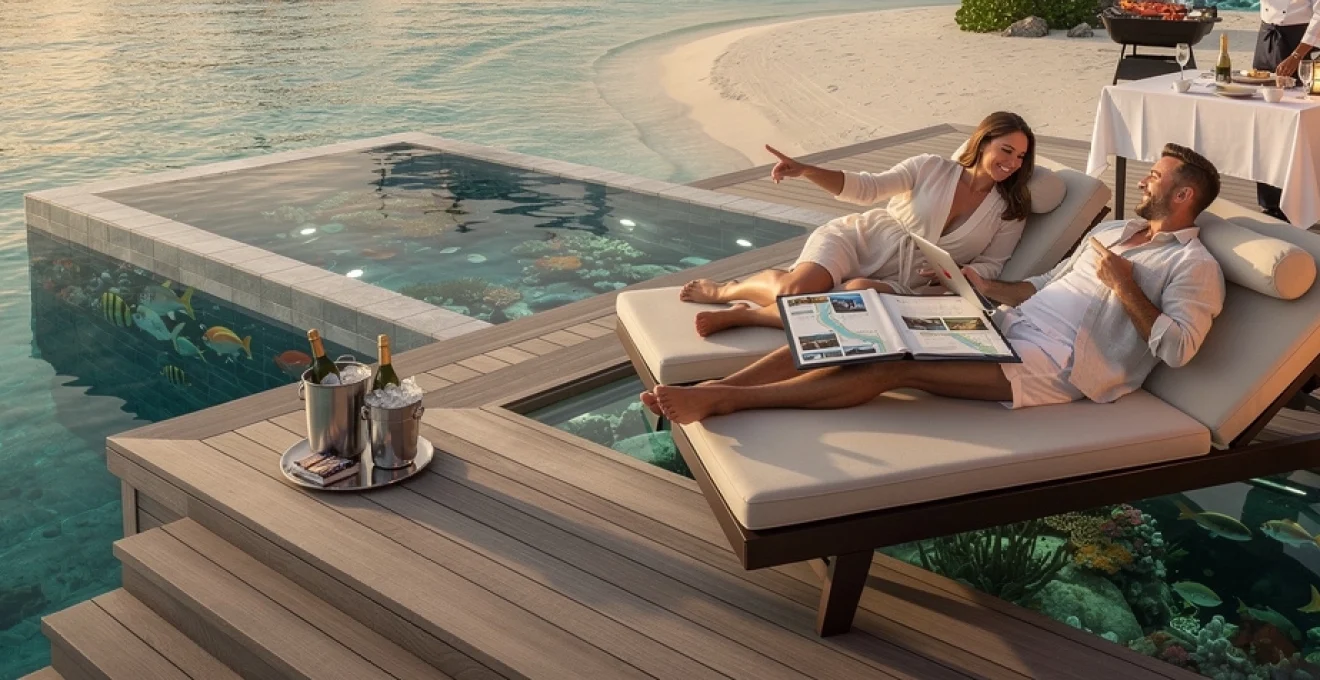
The Maldives has long captivated travellers with its promise of crystalline waters, powder-soft beaches, and overwater villas that seem to float above impossibly blue lagoons. Yet beneath the postcard-perfect imagery lies a destination far more nuanced than many first-time visitors anticipate. Planning a truly peaceful and luxurious Maldivian holiday requires moving beyond the glossy brochures to understand the subtle differences between atolls, the practicalities of transfers, and the atmospheric variations that distinguish one five-star resort from another. Whether you’re envisioning a barefoot-chic retreat where days dissolve into unhurried snorkelling sessions, or a polished sanctuary with Michelin-level dining and personal butler service, the archipelago offers extraordinary diversity. The key to unlocking an experience that feels genuinely restorative—rather than merely photogenic—lies in matching your travel personality to the right island, understanding seasonal patterns, and making informed decisions about accommodation styles and resort amenities.
Selecting your ideal maldivian atoll: north malé, south ari, and baa UNESCO biosphere reserve
The Maldives comprises twenty-six natural atolls scattered across the Indian Ocean, each offering distinct characteristics that profoundly influence your holiday experience. Understanding these geographical nuances proves essential when crafting an itinerary that aligns with your expectations for tranquillity, marine biodiversity, and accessibility from international arrival points.
North malé atoll: proximity to velana international airport and premium resort density
North Malé Atoll sits adjacent to Velana International Airport, making it the most accessible destination for travellers seeking to minimise transfer times. Speedboat journeys from the airport typically range from fifteen to forty-five minutes, whilst seaplane transfers can whisk you to your chosen island in under twenty minutes. This proximity offers considerable advantages: you can arrive on an evening flight and still reach your resort in daylight, allowing you to settle in without the fatigue of extended transfers. The atoll hosts a dense concentration of premium properties, from intimate boutique retreats to established luxury brands, providing exceptional choice across various price points and stylistic preferences. However, this accessibility comes with trade-offs. The atoll experiences higher visitor traffic, and some islands sit close enough to neighbours that you might occasionally glimpse other resorts on the horizon. For couples prioritising convenience over absolute remoteness, North Malé presents an excellent compromise, particularly for shorter stays of three to five nights when you want to maximise time on the island rather than in transit.
South ari atoll marine protected area: whale shark encounters and dive site accessibility
South Ari Atoll has earned international recognition as one of the world’s premier destinations for whale shark encounters, with these gentle giants present year-round in the protected waters. The atoll’s designation as a Marine Protected Area ensures responsible tourism practices whilst maintaining exceptional biodiversity across its numerous dive sites and snorkelling zones. Transfers typically involve either a thirty to forty-minute seaplane journey or a domestic flight to Maamigili followed by a speedboat transfer, placing the atoll firmly in the moderate accessibility category. The marine environment here feels distinctly more vibrant than North Malé, with healthier coral systems and more abundant pelagic species. You’ll find resorts here tend towards mid-range luxury and family-friendly configurations, with comprehensive dive centres and marine biology programmes that appeal to enthusiasts seeking purposeful underwater exploration rather than purely decorative snorkelling. The slightly longer transfer time effectively filters casual day-trippers, creating a more peaceful atmosphere whilst maintaining reasonable connectivity to Malé.
Baa atoll UNESCO biosphere reserve: hanifaru bay manta ray aggregations and conservation zones
Baa Atoll’s UNESCO Biosphere Reserve status reflects its extraordinary ecological significance, particularly the seasonal manta ray aggregations at Hanifaru Bay between May and November. This protected status brings stringent conservation regulations that enhance the pristine quality of the marine environment whilst limiting certain activities during peak feeding periods. Seaplane transfers from Velana International Airport typically require thirty-five to forty-five minutes, though some resorts in the atoll’s northern reaches may take slightly longer. The resorts here skew towards the
ultra-luxury end of the spectrum, with a strong emphasis on sustainability, refined design, and discreet service. Many properties integrate resident marine biologists, coral restoration programmes, and low-impact architecture, so if you value conservation as much as comfort, Baa is compelling. For travellers, the atmosphere feels quieter and more exclusive than the central atolls, with fewer flight movements overhead and darker skies at night for stargazing. If swimming alongside mantas in Hanifaru Bay is on your wish list, plan your Maldives itinerary around the June–October window and secure guided excursions in advance, as permits and visitor numbers are tightly controlled to protect the site.
Gaafu alifu and laamu atolls: remote southern paradise for ultra-luxury seclusion
Further south, Gaafu Alifu (Huvadhoo) and Laamu Atolls deliver the kind of seclusion many people picture when they imagine a “castaway” Maldivian escape. Reaching these atolls typically involves a domestic flight of forty-five to ninety minutes followed by a speedboat transfer, so travel days are longer, but the reward is genuine remoteness and far lower boat traffic. Coral reefs in the south are often healthier and less disturbed, with excellent chances of seeing reef sharks, turtles, and large schools of fish right from your villa steps. Resorts here lean towards design-led eco-luxury, with an emphasis on barefoot living, wellness, and personalised service rather than a flashy party scene. If you are planning a longer stay of seven nights or more and want to feel as though you have left the busy world far behind, these southern atolls are worth the extra travel time.
Luxury resort categories: overwater villas, private island sanctuaries, and all-inclusive packages
Once you have narrowed down your preferred atoll, the next decision shaping your Maldives holiday is the type of luxury resort that best suits your lifestyle. Two five-star properties can deliver entirely different experiences: one may prioritise understated barefoot luxury, while another offers cutting-edge design, fine dining, and a more cosmopolitan feel. Thinking about how you like to spend your days—quietly reading on your deck, diving two or three times a day, or hopping between restaurants and bars—will help you choose between overwater bungalows, private island retreats, and more structured all-inclusive packages. Each category has distinct advantages in terms of privacy, value, and atmosphere, so it is worth considering them in detail before you book.
Overwater bungalows with glass floor panels and direct lagoon access
Overwater bungalows are the Maldives’ signature accommodation style, and for many travellers they are the defining feature of a luxury Maldives holiday. Built on stilts above the lagoon, these villas often include glass floor panels, outdoor showers, and direct ladder access into the water, so your living space and the ocean blur into one. This setup is ideal if you are a confident swimmer or snorkeller and want to spend most of the day dipping in and out of the sea without walking to the main beach. For couples, sunrise-facing villas offer tranquil mornings and softer light, while sunset-facing decks provide those cinematic golden-hour views that dominate social media feeds. Families with younger children, however, should think carefully about safety and resort age policies, as many overwater categories come with minimum age limits or require extra supervision around the deck.
Private island resorts: soneva fushi, velaa private island, and cheval blanc randheli
Private island resorts represent the pinnacle of Maldivian soft luxury, combining low villa density with highly personalised service and meticulous attention to detail. Icons such as Soneva Fushi, Velaa Private Island, and Cheval Blanc Randheli offer expansive villas with private pools, dedicated butlers, and customised experiences that can make even a week-long stay feel like a tailored retreat. These properties often occupy larger islands with mature vegetation, so you gain not just beach frontage but also lush jungle paths, hidden yoga pavilions, and open-air cinemas tucked beneath the palms. The atmosphere tends to be calm and unhurried, with an emphasis on sustainability, wellness, and gourmet dining rather than loud nightlife. If you value privacy, space, and the feeling that “nothing is too much trouble,” a private island resort is likely to provide the most satisfying version of a luxury Maldives holiday.
All-inclusive premium packages: diving credits, spa treatments, and seaplane transfers
All-inclusive packages in the Maldives have evolved far beyond basic buffet dining and house wine. At the premium level, many resorts now offer curated inclusions that might cover à la carte meals, branded beverages, non-motorised water sports, and even a set number of spa treatments or diving credits. This can be especially appealing if you prefer not to think about the bill each time you order a drink or book an excursion, as costs in the Maldives add up more quickly than in city destinations due to the logistical realities of island supply. Some high-end all-inclusive plans also bundle seaplane transfers or domestic flights, smoothing both budgeting and practical arrangements. Still, it is worth reading the fine print: if you rarely drink alcohol, prefer light lunches, or plan to focus on independent activities like reading and yoga on your deck, a half-board or full-board option with pay-as-you-go extras may be more cost-effective than the most comprehensive packages.
Beach villa specifications: plunge pools, butler service, and sunset-facing orientations
Beach villas are often the unsung heroes of a Maldives itinerary, offering generous indoor-outdoor living spaces, direct sand access, and a more grounded connection to the island’s greenery. Many now feature private plunge pools, shaded daybeds, and enclosed garden bathrooms, creating a sense of your own mini resort within the resort. If you are travelling with children, the ability to wander straight onto the sand without navigating steps or ladders into the lagoon makes daily life significantly easier. High-end beach categories also frequently include butler service and thoughtful extras such as bicycles, outdoor showers, and shaded dining tables for private in-villa meals. When comparing options, pay attention to villa orientation: sunset-facing beaches can feel more social and dramatic in the evenings, while sunrise sides are often quieter and cooler, particularly helpful if you are sensitive to heat during the day.
Seaplane and speedboat transfer logistics from velana international airport
However carefully you choose your atoll and resort, your first and last impressions of the Maldives will be shaped by your transfers from Velana International Airport in Malé. Most luxury properties are accessible either via shared or private seaplane, a domestic flight plus speedboat, or a direct speedboat transfer for islands closest to the capital. Seaplanes operate only in daylight hours—typically from around 06:00 to 16:00–17:00—so if your international flight lands late in the afternoon, you may need to overnight near the airport before continuing. It is wise to allow at least ninety minutes between scheduled international arrival and your onward seaplane, to account for immigration formalities, baggage collection, and check-in at the seaplane terminal.
Speedboat transfers, common for properties in North and some parts of South Malé Atoll, run throughout the day and into the evening, which gives you more flexibility with late-night or early-morning international flights. They are also less weather-dependent than seaplanes, though sea conditions can still affect comfort on longer crossings. Domestic flights to regional airports, followed by shorter speedboat hops, open up the more remote southern atolls and are usually coordinated directly by your resort. In all cases, your hotel will typically meet you airside or in the arrivals hall, shepherd you to their dedicated lounge, and manage the onward logistics on your behalf. When planning your Maldives holiday, consider not only the transfer duration on paper but also how much waiting time you are comfortable with between legs—especially if you are travelling with young children or after a long-haul overnight flight.
Peak season meteorology: southwest monsoon versus northeast monsoon patterns
The Maldives enjoys warm tropical temperatures year-round, but its two primary monsoon systems—the northeast (Iruvai) and southwest (Hulhangu)—create noticeable seasonal variations in rainfall, wind, and sea conditions. Understanding these patterns helps you choose travel dates that align with your priorities, whether that is ultra-clear water for snorkelling, consistent surf breaks, or simply the highest chance of sunny days by your villa pool. While no month can guarantee perfect weather, historical climate data and on-the-ground experience provide useful guidance when you are weighing up school holidays, work schedules, and flight availability.
Dry season december to april: iruvai monsoon advantages for snorkelling visibility
From December to April, the Iruvai monsoon brings predominantly dry, stable conditions to much of the Maldives, particularly the central and northern atolls. During these months, skies are often clearer, humidity is slightly lower, and rainfall tends to arrive in brief, sharp showers rather than prolonged storms. For snorkellers and divers, one of the key advantages of this period is improved underwater visibility, with many sites offering 20–30 metres of clarity thanks to calmer seas and reduced sediment. If your ideal Maldives holiday centres on long days in the water, photoshoots on bright white sandbanks, and predictable sunshine for a honeymoon or special celebration, this season offers the best overall odds.
The trade-off is that December through March, and especially the Christmas–New Year window, is peak season for international visitors, which drives up both flight and resort prices. Availability at smaller luxury properties can tighten months in advance, particularly for overwater categories and larger family villas. If you are set on travelling in the dry season, consider early December or late April for a balance between favourable conditions and slightly softer rates. As with any tropical destination, occasional rainy days are still possible, but they are less frequent and often short-lived compared to the wetter months.
Wet season may to november: hulhangu monsoon surfing opportunities and off-peak rates
From May to November, the Hulhangu monsoon ushers in a more changeable pattern, with higher humidity, increased cloud cover, and a greater likelihood of showers and thunderstorms—though these often pass quickly. Sea conditions are generally livelier, especially on the eastern sides of atolls, which translates into improved surfing opportunities at well-known breaks in North and South Malé, Laamu, and the central atolls. If you are a surfer or simply enjoy watching more dramatic skies and rolling waves from the comfort of your villa, this period can be very rewarding. Underwater visibility can be slightly reduced in some areas due to plankton and sediment, but this same plankton-rich water is what attracts filter feeders such as manta rays and whale sharks to places like Baa Atoll and South Ari.
Financially, the wet season often represents better value for a luxury Maldives holiday, with many resorts offering reduced rates, added-value inclusions, or complimentary upgrades to entice guests. This can make higher villa categories, multi-bedroom residences, or longer stays more accessible than in peak months. Of course, you need to be comfortable with the possibility of a few grey or rainy days and factor that into your expectations. If your priority is relaxation, good food, and the novelty of being surrounded by the ocean rather than constant sunshine, off-peak travel can be an excellent way to experience top-tier resorts at a more manageable price point.
Inter-monsoon transitional periods: march-april and october-november weather variables
March–April and October–November mark transitional phases between the two main monsoon systems and can offer some of the most interesting conditions for a Maldives holiday. In March and early April, you often see a blend of dry-season sunshine with slightly warmer water temperatures, making this an attractive window for snorkelling and diving before peak-season crowds thin out. By contrast, late October and November can deliver a mix of bright, calm days punctuated by short showers, along with high marine activity as plankton blooms attract large pelagic species to certain atolls. These shoulder periods sometimes bring marginally lower rates than the core months on either side, while still retaining good overall weather.
The key variable during these transitions is unpredictability: conditions can shift more quickly from one week to the next compared with the more settled dry or wet seasons. If you are flexible and do not need every day to be cloud-free, the inter-monsoon periods can provide a satisfying compromise between value, marine life, and manageable humidity. When planning, check recent year-on-year patterns and consult your chosen resort’s advice—many long-established properties keep detailed in-house records and can offer honest guidance about what their island typically experiences in these shoulder months.
Advanced diving certifications: PADI courses, thilas channel dives, and pelagic species
For certified divers—or those keen to become certified—the Maldives is a world-class classroom and playground. Most luxury resorts operate fully equipped PADI dive centres that can take you from beginner Open Water certification through to Advanced Open Water, Rescue Diver, and even specialist courses such as Nitrox or underwater photography. If you have ever considered upgrading your skills, a Maldives holiday offers the ideal conditions: warm water, minimal need for thick wetsuits, and high-quality instruction in small groups. Spreading training dives over several days also fits naturally into a relaxed island rhythm, allowing plenty of time for surface intervals on your deck or by the pool.
Once certified, you can explore the Maldives’ defining underwater features: thilas (submerged pinnacles rising from deeper water), channels between outer reefs, and cleaning stations where manta rays and other pelagic species gather. Channel dives, particularly in atolls like North and South Ari, Baa, and Vaavu, often involve stronger currents but reward you with encounters with reef sharks, eagle rays, and swirling schools of fusiliers and jacks. Thilas provide opportunities to drift gently past soft corals, overhangs, and densely populated reef walls. If big marine life is high on your wish list, plan your Maldives itinerary around regions and seasons known for specific species—whale sharks in South Ari, mantas in Baa and Raa, or hammerheads in more advanced sites in the central atolls—and communicate your preferences to the dive centre ahead of arrival.
Culinary experiences: underwater restaurants, private sandbank dining, and maldivian cuisine
Food plays a far bigger role in a peaceful and luxurious Maldives holiday than many travellers expect. With most of your time spent on a single island, variety, quality, and atmosphere at each meal can profoundly shape how your days feel. The best resorts treat dining as an integral part of the experience, offering everything from laid-back beach shacks and health-focused cafés to fine-dining tasting menus and theatrical teppanyaki counters. Increasingly, properties also highlight regional Maldivian flavours alongside international favourites, so you can pair a poolside salad or wood-fired pizza with local dishes you are unlikely to encounter elsewhere.
Ithaa undersea restaurant at conrad rangali and 5.8 undersea restaurant at hurawalhi
Few culinary experiences are as emblematic of the Maldives’ blend of natural drama and high-end design as its underwater restaurants. Ithaa Undersea Restaurant at Conrad Rangali pioneered the concept, seating guests in a glass tunnel five metres below the surface, with reef fish and the occasional shark drifting by as you dine. The multi-course set menus here lean towards contemporary European cuisine, and reservations are essential due to limited capacity. Similarly, 5.8 Undersea Restaurant at Hurawalhi, named for its depth beneath the waterline, offers a fine-dining tasting experience framed by panoramic views of the surrounding lagoon and reef.
These venues are undeniably indulgent, and prices reflect the complexity of building and maintaining such structures in a marine environment. Are they essential to enjoying a luxury Maldives holiday? Not necessarily—but if you are celebrating a milestone or simply curious about the novelty of dining encased in glass beneath the sea, a lunch or early dinner sitting can be a memorable highlight. To make the most of it, aim for midday or early afternoon reservations when natural light is strongest, improving both visibility and photography.
Sandbank champagne breakfasts and sunset barbecue arrangements
For many couples and families, the most memorable meals in the Maldives happen not in a restaurant but on a temporary island of sand that may be submerged by the next high tide. Private sandbank experiences typically involve a short boat ride from your resort to a pristine stretch of sand surrounded by shallow turquoise water, where staff set up shaded seating, a temporary kitchen, and often a small bar. Champagne breakfasts at sunrise, with the first light catching the water around you, offer an almost surreal sense of isolation and calm—perfect if you are seeking a once-in-a-lifetime moment without the formality of an underwater restaurant.
Sunset barbecues on secluded sandbanks or quiet corners of your resort’s beach are another staple of luxury Maldives holidays, particularly for honeymooners and small groups. Chefs may grill locally caught fish, lobster, and vegetables while you wade in the shallows or watch the sky change colour. Because these experiences are weather-dependent and capacity is limited, it is wise to book them early in your stay or even in advance of arrival, especially during peak season. Think of them as the open-air equivalent of a private dining room—intimate, ephemeral, and tailored to you.
Traditional maldivian gastronomy: mas huni, garudhiya, and fresh tuna preparations
Amid the international buffets and multi-course tasting menus, it is worth making time to sample traditional Maldivian dishes that reflect the archipelago’s fishing heritage and regional influences. Mas huni, a breakfast staple, combines finely shredded smoked tuna with grated coconut, onion, chilli, and lime, typically served with warm flatbread known as roshi. Another cornerstone is garudhiya, a clear, fragrant fish broth often accompanied by rice, lime, chilli, and fried onions, which offers a lighter alternative to heavier curries on hot days. Many resorts now incorporate these dishes into their breakfast spreads or dedicate at least one themed evening per week to Maldivian cuisine.
Fresh tuna, in particular, is a highlight of almost any Maldives holiday, appearing in everything from simple grilled fillets to sashimi, poke-style bowls, and coconut-based curries. If you are interested in the journey from sea to plate, ask whether your resort offers excursions with local fishermen or visits to nearby islands where you can see traditional pole-and-line methods in action. Not only does this add cultural depth to an otherwise purely resort-based stay, but it also supports more sustainable practices and gives you richer stories to bring home than sunset photos alone.