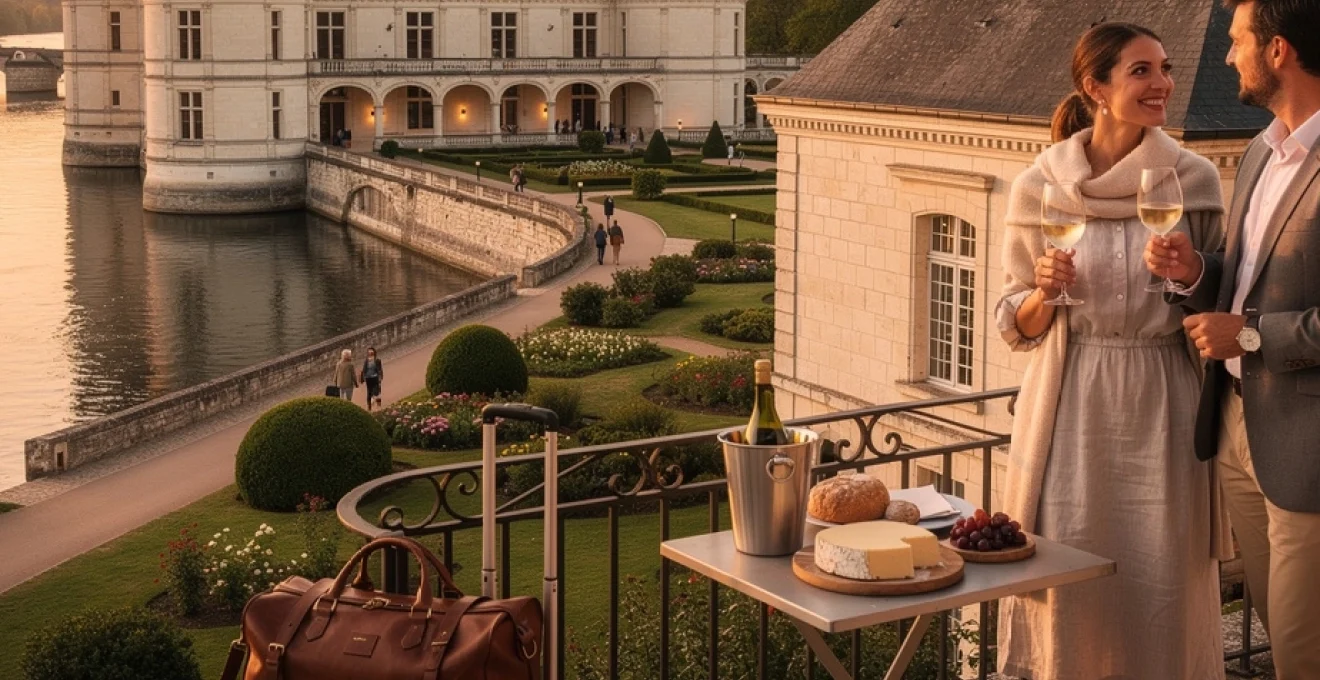
The Loire Valley stands as France’s most celebrated château region, where centuries of royal history converge with unparalleled architectural splendour and modern luxury hospitality. This UNESCO World Heritage landscape offers discerning travellers an extraordinary opportunity to experience authentic château living, from Renaissance palaces that once housed French royalty to intimate castle hotels where contemporary comfort meets historical grandeur. The region’s 300-plus châteaux provide diverse accommodation options, ranging from opulent luxury hotels with Michelin-starred restaurants to charming boutique properties nestled within sprawling vineyards. Each château tells a unique story of French heritage whilst delivering exceptional modern amenities, creating an immersive experience that transcends ordinary hospitality.
Architectural heritage and historical significance of loire valley châteaux
The Loire Valley’s château collection represents the pinnacle of European architectural evolution, spanning nearly a millennium of French construction techniques and artistic expression. These magnificent structures serve as living museums, showcasing the transition from medieval fortification to Renaissance elegance and beyond. The region’s strategic position along France’s longest river made it the preferred location for royal residences, resulting in an unprecedented concentration of architectural masterpieces that continue to captivate visitors from around the globe.
Renaissance architecture at château de chambord and château de chenonceau
Château de Chambord epitomises Renaissance architectural innovation, featuring Leonardo da Vinci’s revolutionary double-helix staircase and an elaborate roofline that resembles a fantastical city skyline. The château’s 440 rooms and 80 staircases create a labyrinthine palace that demonstrates the height of 16th-century French craftsmanship. Its distinctive French Renaissance style incorporates Italian design elements, creating a unique architectural fusion that influenced château construction throughout the region.
Château de Chenonceau presents a different architectural marvel, gracefully spanning the Cher River with its iconic gallery bridge. Known as the « Château des Dames » due to its succession of influential female residents, including Catherine de Medici and Diane de Poitiers, Chenonceau showcases refined Renaissance aesthetics with its perfectly proportioned façade and meticulously maintained gardens. The château’s architectural harmony reflects the sophisticated tastes of its aristocratic inhabitants.
Medieval fortress foundations at château de chinon and château d’angers
Château de Chinon demonstrates the evolution from medieval fortress to royal residence, with its imposing walls and strategic positioning overlooking the Vienne River. The fortress played crucial roles in French history, serving as a royal residence for Henry II of England and later becoming the site where Joan of Arc first met the future Charles VII. Its massive defensive structures showcase medieval military architecture whilst accommodating the comfort requirements of royal courts.
Château d’Angers represents one of Europe’s most impressive medieval fortifications, featuring seventeen massive towers constructed from distinctive black and white stone. The fortress houses the remarkable Apocalypse Tapestry, the world’s largest medieval tapestry ensemble, within its formidable walls. These medieval foundations provided the architectural framework upon which later generations added Renaissance refinements and baroque modifications.
Royal residency legacy from françois I to catherine de medici
King François I transformed the Loire Valley into France’s royal heartland during the early 16th century, commissioning numerous château construction projects that reflected Renaissance artistic ideals. His patronage attracted Italian architects and artists to the region, resulting in the distinctive Franco-Italian architectural style that characterises many Loire Valley châteaux. François I’s architectural legacy includes not only Chambord but also significant renovations at Blois and Amboise.
Catherine de Medici’s influence on Loire Valley château development cannot be overstated, as her sophisticated Italian tastes and political acumen shaped both architectural and garden design throughout the region. Her modifications to Chenonceau, including the famous gallery bridge and elaborate gardens, established new standards for château luxury and entertaining. The Queen Mother’s architectural patronage extended to numerous properties, creating a cohesive regional style that balanced grandeur with livability.
UNESCO world heritage site classification and conservation standards
The Loire Valley’s UNESCO World Heritage designation in 2000 recognised the region’s exceptional universal value as a cultural landscape shaped by centuries of human interaction with the natural environment. This classification encompasses
not only individual monuments but also the wider riverine landscape, historic towns and vineyards that frame them. For travellers, this means that château restorations, garden reconstructions and new hotel conversions must comply with stringent conservation standards that preserve authentic materials and sightlines. When you stay in a château hotel or rental within the UNESCO zone, you are effectively sleeping inside a protected cultural panorama, where every stone façade, formal alley and riverside terrace has been meticulously studied and maintained. This long-term safeguarding ensures that your château experience feels timeless rather than theme-park-like, grounded in genuine history rather than superficial pastiche.
UNESCO status has also encouraged sustainable tourism practices across the Loire, from controlled visitor numbers at headline monuments to eco-certified accommodations and soft-mobility initiatives such as cycling routes along the Loire à Vélo. Many château owners now collaborate with heritage architects, local craftsmen and landscape historians to restore period details using traditional techniques, whether that involves recreating Renaissance parterres or repairing 16th-century slate roofs. As a guest, you benefit from these efforts through high-quality interpretation, bilingual signage and expertly guided tours that bring complex histories to life without compromising the serenity of the sites.
Premium château accommodation options across the loire valley
Staying in a château in the Loire Valley allows you to experience this architectural heritage first-hand, with accommodation standards that now rival the world’s best luxury hotels. Whether you prefer a five-star château resort with a spa and fine-dining restaurant, a smaller boutique castle hotel with just a handful of rooms, or a private self-catering estate for a family celebration, you will find a property tailored to your travel style. The beauty of the region is that many historic estates have been sensitively transformed into places to sleep, dine and relax while keeping their original soul. Instead of merely visiting a castle for a few hours, you wake up under painted ceilings, cross marble-floored salons on your way to breakfast and watch the sunset over the river from your own terrace.
In recent years, the Loire Valley has also seen the emergence of hybrid hospitality concepts that blend hotel-level services with the privacy of villa rentals. Large estates such as Château bord de Loire near Sancerre or Château Marteret in the western Loire offer dozens of bedrooms, private spas and landscaped grounds that can be reserved exclusively for one group. These properties work particularly well for multi-generational trips, destination weddings and retreats, where guests want to share common spaces yet still enjoy the comfort of ensuite rooms and dedicated staff. As you evaluate options, think of each château as a self-contained world, with its own rhythm, landscape and story.
Luxury hotel conversions at château de bagnols and relais de chambord
Among the most striking examples of luxury château hotels are properties like Château de Bagnols and Relais de Chambord, where centuries-old architecture has been paired with contemporary five-star hospitality. Relais de Chambord, located within the UNESCO-listed estate of Château de Chambord itself, offers guests the rare privilege of sleeping just steps away from one of France’s most iconic castles. The hotel’s interiors carefully balance minimalist design with historical references, allowing features such as exposed stonework, timber beams and castle views to take centre stage. After a day exploring Chambord’s 440 rooms and forested park, you can unwind in a modern spa, enjoy refined regional cuisine and watch deer grazing at dusk from the hotel terrace.
Château de Bagnols, often cited among the finest château hotels in France, illustrates how a medieval fortress can become a sanctuary of understated luxury. Thick defensive walls now shelter suites with Renaissance frescoes, vast fireplaces and four-poster beds, while moats and courtyards have been transformed into landscaped gardens and outdoor dining spaces. Guests benefit from amenities such as heated pools, tasting menus and curated wine lists featuring the best Loire appellations, all delivered with discreet, personalised service. When you choose a luxury château conversion like these, you are effectively booking both a five-star hotel and a private museum, with staff trained to share the building’s stories as well as uncork its finest vintages.
Boutique castle hotels including château des sept tours
Travellers seeking a more intimate atmosphere often gravitate towards boutique château hotels such as Château des Sept Tours or smaller properties around Saumur, Chinon and Tours. Typically offering between 10 and 40 rooms, these estates feel more like refined country homes than large resorts, with a focus on personalised attention and a strong sense of place. At Château des Sept Tours, for example, guests can stay in rooms decorated with period furniture and fabrics while enjoying modern comforts like air-conditioning, high-speed Wi-Fi and contemporary bathrooms. The surrounding parkland often includes a golf course, woodland walks or vineyards, meaning you can step directly from your suite into nature.
What distinguishes boutique château hotels is their character: no two rooms are identical, and common areas often retain original features such as parquet floors, carved panelling and stone fireplaces. Many of these properties also house acclaimed restaurants, cosy bars or vaulted cellars, creating convivial spaces where you can linger over a glass of Crémant de Loire or Sancerre. Because the scale is smaller, staff quickly learn your preferences, from your favourite breakfast pastries to the type of wine you prefer with dinner. For couples, small groups of friends or travellers who enjoy conversation with hosts, boutique castle hotels offer an ideal balance between luxury and authenticity.
Self-catering castle rentals through gîtes de france network
For families, groups of friends or travellers planning a longer stay in the Loire Valley, self-catering castle rentals provide unparalleled freedom and privacy. Through established networks such as Gîtes de France and specialised château rental agencies, you can reserve anything from a modest manor house to a full-scale castle complete with towers, moat and private park. Properties like Château bord de Loire near Sancerre or 15th-century estates in the western Loire have been thoughtfully renovated with modern kitchens, underfloor heating and contemporary bathrooms while preserving key historic elements. You enjoy the charm of stone staircases, grand salons and walled gardens with the convenience of being able to cook, host and organise your days exactly as you wish.
Choosing a self-catering château is particularly attractive if you are travelling with children or planning a multi-generational reunion, as large communal spaces and extensive grounds invite shared meals, games and outdoor activities. Many rentals now include extras such as heated pools, wood-fired saunas, Nordic baths and home-cinema rooms, as well as optional services like private chefs, daily housekeeping and in-house wine tastings. When comparing options, pay close attention to the number of ensuite bathrooms versus bedrooms, the size of communal areas and the configuration of any annexes, especially if you need accessible rooms. Think of your château rental as a private countryside hotel where you set the pace and style of your stay.
Exclusive wedding venue packages at château du clos lucé
The Loire Valley has become one of Europe’s premier destinations for château weddings, and venues like Château du Clos Lucé near Amboise offer tailored packages that turn historic estates into unforgettable celebration settings. Famous as Leonardo da Vinci’s last residence, Clos Lucé combines intimate Renaissance interiors with extensive gardens and parkland, providing diverse backdrops for ceremonies, cocktails and receptions. Dedicated wedding teams coordinate with caterers, florists, photographers and entertainment providers who are familiar with the site’s logistics and heritage constraints. This ensures that events respect both the château’s conservation requirements and the couple’s creative vision, whether that involves open-air dinners under fairy lights or more formal banqueting rooms.
Exclusive-use château packages often include accommodation for a core group of guests in on-site rooms or nearby partner hotels, with the option to privatise salons, terraces and gardens. When evaluating venues such as Clos Lucé, Château Le Prieuré overlooking the Loire near Saumur or ivy-draped estates around Blois, couples should consider factors such as capacity, noise regulations, backup indoor spaces and late-night transport options. Many properties now offer multi-day packages that allow you to extend the celebration with welcome dinners, brunches and vineyard visits. Planning well in advance—often 12 to 18 months—is essential, particularly if you are aiming for popular spring or early autumn weekends when the light and temperatures are ideal.
Gastronomy and wine tourism integration in château experiences
One of the greatest pleasures of staying in a château in the Loire Valley is the seamless integration of gastronomy and wine tourism into daily life. The region is often called the “Garden of France” for good reason: orchards, vegetable gardens, truffle woods and vineyards surround many estates, providing chefs with a constant supply of seasonal produce. In high-end château hotels, Michelin-starred and gourmet restaurants celebrate this local abundance with inventive menus that highlight ingredients such as Loire river fish, game from surrounding forests, goat’s cheese from Touraine and asparagus from Sologne. Dining in an Empire-style dining room or on a terrace with panoramic river views turns each meal into a cultural experience as much as a culinary one.
Wine enthusiasts will find themselves at the heart of some of France’s most prestigious appellations, including Sancerre, Pouilly-Fumé, Vouvray, Chinon and Saumur-Champigny. Many châteaux maintain historic cellars where thousands of bottles rest in ideal conditions, and guided tastings allow you to compare terroirs and vintages in situ. At properties like Château Le Prieuré, a 10th-century castle overlooking the Loire, sommeliers curate pairings that complement creative French cuisine served in the Castellane gastronomic restaurant. Elsewhere, estate owners may organise private vineyard tours, visits to winemakers’ caves and even blending workshops where you can create your own cuvée. Think of the château as your tasting room, with the surrounding landscape as its wine list.
For guests staying in self-catering properties or smaller boutique hotels, wine and food experiences are just as accessible, albeit in a more informal way. Local markets in towns such as Saumur, Tours and Blois overflow with regional specialties, from rillettes and charcuterie to buttery pastries and orchard fruits, allowing you to assemble your own château feast. Many rental estates collaborate with private chefs who can come on-site to prepare multi-course dinners, cooking classes or relaxed barbecues by the pool. Imagine learning to debone a Loire river fish or prepare a classic tarte tatin in a château kitchen equipped with an original wood-fired stove: these immersive moments make gastronomy feel like a natural extension of your stay rather than a separate activity.
Wine tourism is increasingly aligned with sustainable practices in the Loire, with a growing number of estates certified organic or biodynamic. When you visit vineyards surrounding châteaux like those near Sancerre or the troglodyte cellars in Saumur, you often meet winemakers who can explain how soil composition, exposure and microclimate shape flavour profiles. Some châteaux even maintain their own conservatories of heirloom vegetables or ancient fruit varieties, such as the National Tomato Conservatory at Château de La Bourdaisière, where over 800 varieties are grown. As you taste, you are not simply sampling wines and dishes but experiencing an entire ecosystem of craftsmanship and environmental stewardship that has evolved over centuries.
Seasonal activities and cultural programming at loire valley estates
Because the Loire Valley is a year-round destination, the activities and cultural programming offered by château estates evolve with the seasons, ensuring that each visit feels distinct. Spring brings the reopening of many seasonal hotels and gardens, with tulips, wisteria and rose arches transforming castle parks into living artworks. It is an ideal time for garden tours, photography walks and first al fresco lunches on sunny terraces, often accompanied by lighter white wines and sparkling Crémant de Loire. Several estates organise flower festivals, horticultural workshops and open days for their vegetable gardens, giving guests insight into historic planting schemes and modern agroecological practices.
Summer remains the peak season for château stays, with long days perfect for swimming in heated outdoor pools, cycling through vineyards and enjoying evening concerts in castle courtyards. Many estates host classical music performances, open-air cinema screenings or sound-and-light shows that illuminate façades and tell the stories of former residents through projections and narration. For families, children’s workshops—ranging from medieval calligraphy and costume dressing-up to treasure hunts in the park—make history engaging and accessible. Because demand is highest in July and August, it is wise to reserve accommodation, restaurant tables and certain activities several months in advance, especially if you have specific dates in mind.
Autumn might be the most atmospheric time to stay in a château in the Loire Valley, particularly in wine regions like Sancerre and Vouvray, where grape harvests bring a festive energy. Vineyards shift from deep green to copper and gold, creating spectacular vistas from château terraces and bedroom windows. Many wine estates and château hotels organise harvest experiences, allowing guests to observe or even participate in picking, pressing and early tastings of the new vintage. Inside, the return of cooler evenings makes crackling fireplaces, slow-cooked regional dishes and deep red wines especially appealing, turning salons and libraries into cosy refuges.
Winter stays, although less common, offer a unique, contemplative experience, especially in properties that remain open over the festive period. Selected château hotels, such as those near Chambord or Saumur, decorate grand halls with Christmas trees, garlands and candlelight, hosting special menus for Christmas and New Year’s Eve. With fewer visitors, you can explore major châteaux in relative tranquillity, appreciating architectural details without crowds. Activities shift towards wellness—think spa treatments in vaulted cellars, wood-fired saunas, Nordic baths and brisk walks in frost-dusted parks. If you enjoy the idea of having a castle almost to yourself, off-season travel can feel as magical as a private house party from another era.
Transportation infrastructure and regional accessibility from major cities
One of the reasons the Loire Valley has become such a popular destination for château stays is its excellent accessibility from major French and European cities. Located roughly 200 kilometres southwest of Paris, the region benefits from high-speed rail links, extensive motorway networks, well-signposted cycling routes and a regional airport. This combination of transport options allows you to choose the mode that best suits your schedule, budget and environmental priorities. For many visitors, the journey itself—whether by train along the Loire, by car through rolling countryside or by bike along riverside paths—forms an integral part of the experience, offering a gentle transition from urban life to château calm.
Because distances between key towns such as Orléans, Blois, Tours, Saumur and Angers are relatively short, you can easily base yourself in one château and explore a wide radius of castles, vineyards and historic villages. Alternatively, some travellers opt for an itinerary that combines two or three different château stays, using trains or roads to link them in a leisurely loop. Whichever approach you choose, it is worth planning your transport options at the same time as you book accommodation, particularly in peak season when train reservations and hire cars can sell out. Thinking ahead about how you will move between estates allows you to maximise time on-site rather than in transit.
High-speed rail connections via TGV to tours and angers stations
The fastest way to reach the Loire Valley from Paris or other French cities is via the TGV high-speed rail network, which serves major hubs such as Tours (Saint-Pierre-des-Corps) and Angers. From Paris Montparnasse, journey times to Tours can be as short as one hour, and to Angers roughly 90 minutes, making weekend château breaks entirely feasible even for short trips. Once you arrive, regional TER trains and occasional buses connect to smaller towns like Saumur, Blois and Orléans, where taxis or pre-arranged transfers can take you directly to your chosen château. Many high-end estates now offer private shuttle services from mainline stations, particularly for groups or wedding parties.
Booking TGV tickets in advance typically secures more favourable fares and seat reservations, especially on Friday evenings and Sunday afternoons when leisure and business travel coincide. When planning a stay that involves rural château locations, consider aligning train arrival times with check-in windows, or arranging luggage storage or early access in advance with the property. If you are travelling with bicycles to explore the Loire à Vélo routes, verify carriage rules and reservation requirements, as some services have limited bike spaces. Overall, high-speed rail offers a comfortable, low-stress and environmentally friendly way to begin your château experience.
Autoroute A10 and A85 motorway networks for self-drive tourism
For travellers who value flexibility and wish to explore multiple estates, vineyards and villages, driving remains a popular choice. The Loire Valley is well served by the A10 (Paris–Orléans–Tours) and A85 (Angers–Tours) motorways, along with a network of scenic departmental roads that follow the river and link historic towns. From Paris, reaching the heart of the region typically takes around two to three hours by car, depending on traffic and your exact destination. Once there, having your own vehicle simplifies visits to more remote châteaux, wine domaines and countryside restaurants that are not easily accessible by public transport.
If you are hiring a car, collecting it at Paris airports or central stations such as Gare Montparnasse or Gare d’Austerlitz is straightforward, and major international rental companies operate in all key locations. When driving to château hotels and rentals, be aware that some estates have long private driveways, limited parking near the main building or specific drop-off points for events and weddings. It is wise to confirm parking arrangements in advance—some properties, such as Château Le Prieuré, offer complimentary on-site parking but do not guarantee spaces during peak periods. Remember that rural driving also means fewer petrol stations at night and on Sundays, so planning fuel stops is sensible when moving between more distant châteaux.
Loire valley cycling routes including loire à vélo initiative
Increasingly, visitors are choosing to discover the Loire Valley’s châteaux by bicycle, taking advantage of the extensive Loire à Vélo network that stretches for more than 900 kilometres from Cuffy to Saint-Brevin-les-Pins. This dedicated cycling route follows the riverbanks, crossing vineyards, wetlands and historic villages, and provides safe, well-signposted paths ideal for both casual cyclists and experienced riders. Many château hotels and rentals now cater specifically to cycling guests, offering secure bike storage, repair kits, laundry services and packed lunches. Some even provide complimentary bicycles or e-bikes, making it easy to explore neighbouring estates without using a car.
Combining a château stay with cycling allows you to experience the landscape at a human pace, noticing details such as troglodyte dwellings carved into limestone cliffs, riverside chapels and traditional fishing huts. You might ride from your château near Saumur to nearby abbeys, stopping for tastings in sparkling wine cellars carved deep into the rock, or follow quiet lanes between Sancerre vineyards before returning to your estate’s pool or spa. If you are new to cycle touring, local agencies can arrange luggage transfers between accommodations, allowing you to move from one château to another with only a day bag. As a soft-mobility option, cycling fits perfectly with the region’s focus on sustainable, low-impact tourism.
Regional airport access through tours val de loire airport
Although most international visitors reach the Loire Valley via Paris, regional air access is available through Tours Val de Loire Airport, which handles seasonal flights from selected European cities. For travellers coming from the UK or other nearby countries, these routes can be a convenient shortcut, placing you within a short drive or train ride of major château clusters. From the airport, car hire desks, taxis and pre-booked transfers provide onward connections to estates around Tours, Amboise, Chenonceau and Chambord. Flight schedules vary by season, so it is essential to verify current routes and frequencies when planning your trip.
Alternative airports, such as Nantes Atlantique or Poitiers-Biard, can also serve as gateways to the western or southern Loire, particularly if you are combining a château stay with time on the Atlantic coast or in the Cognac region. Regardless of your arrival point, the relatively compact geography of central France means that you can often reach your château within two to three hours of landing. When coordinating flights with accommodation, factor in check-in times, potential delays and the availability of evening dining at rural properties, as some château restaurants close earlier outside peak season. Clear communication with your hosts about arrival time ensures a smooth, welcoming start to your stay.
Booking strategies and seasonal pricing considerations for château stays
Securing the ideal château in the Loire Valley requires a bit of strategy, especially if you have specific dates, room types or event needs in mind. Demand patterns vary throughout the year, with peak pricing typically in July and August, as well as around major events such as weddings, local festivals and harvest season in top wine areas. Shoulder seasons—late April to June and September to early November—often provide the best balance between pleasant weather, availability and value, particularly for luxury château hotels and exclusive-use rentals. If you are flexible with dates, you can sometimes benefit from midweek rates or off-peak packages that include added-value extras such as spa treatments, dinners or guided tours.
How far in advance should you book? For five-star château hotels and popular wedding venues, planning 9–18 months ahead is advisable, especially if you need multiple rooms or full buyouts. Boutique hotels and self-catering estates may have more sporadic openings, but peak summer weeks and long weekends still sell out quickly. When comparing options, look beyond nightly rates to assess inclusions—breakfast, access to wellness facilities, bikes, parking and on-site activities can significantly influence overall value. Flexible cancellation policies have become more common in recent years, yet terms differ widely, so always read conditions carefully and consider travel insurance for higher-value stays.
Pricing also varies according to room category and view: river-facing suites, historic tower rooms or family apartments in the main château often command premiums, while annex buildings or pavilion lodgings may offer more economical alternatives without sacrificing access to key amenities. If you are travelling as a larger group, calculating the per-person rate for an exclusive-use château rental can reveal surprisingly competitive costs compared with booking multiple luxury hotel rooms. To optimise your budget, it can be helpful to combine one or two nights in a flagship luxury property—perhaps attached to a major château like Chambord—with a longer stay in a boutique hotel or self-catering estate nearby.
Finally, do not underestimate the value of direct communication with château owners or reservations teams. Outlining your priorities—whether that is quiet surroundings, child-friendly facilities, Michelin-starred dining, accessibility or proximity to certain monuments—allows them to recommend the most suitable room types or packages. Many properties are willing to tailor experiences, from private wine tastings and hot-air balloon flights to curated itineraries that combine cultural visits and relaxation. By aligning your booking strategy with the rhythm of the Loire’s seasons and the particularities of each château, you position yourself to enjoy not just a stay, but a truly timeless experience in the heart of France’s royal valley.