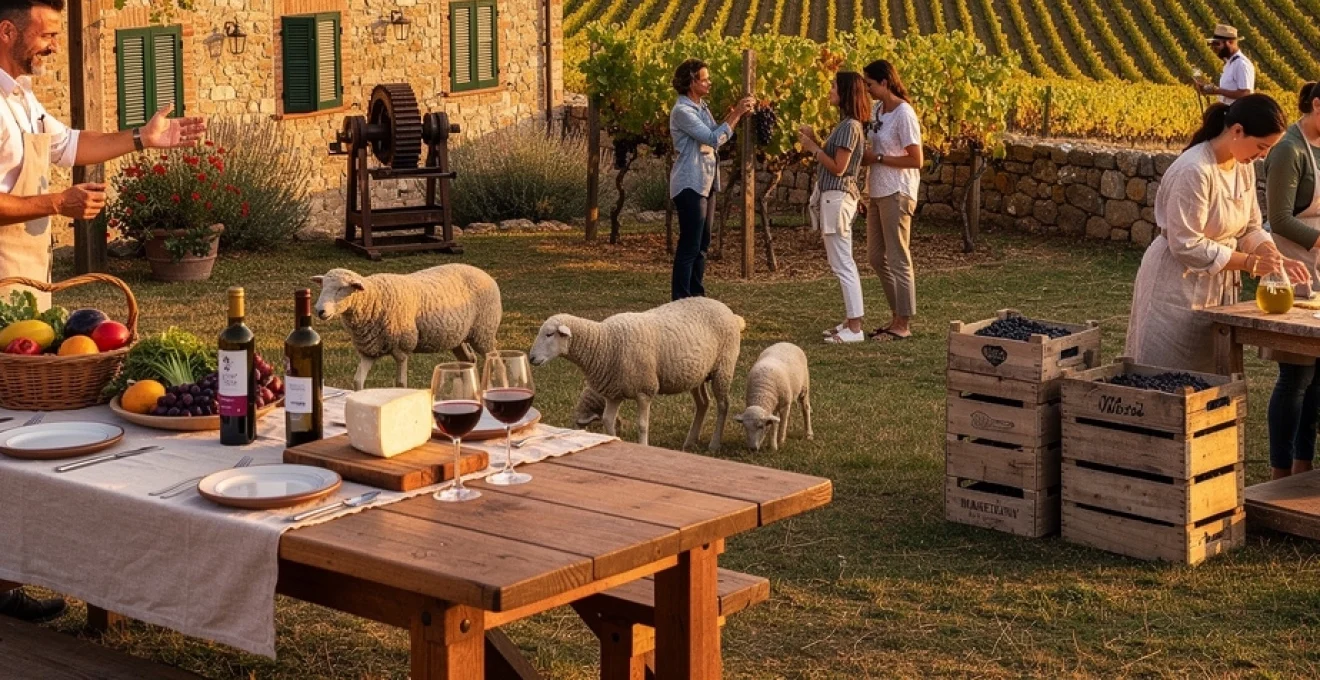
Tuscany’s countryside has long captivated travellers seeking an authentic alternative to Italy’s bustling tourist centres. Beyond the Renaissance masterpieces of Florence and the leaning tower of Pisa lies a landscape shaped by centuries of agricultural tradition, where stone farmhouses dot rolling hills and terraced vineyards cascade down ancient slopes. The Italian agriturismo movement—born from the convergence of agricultural preservation and sustainable tourism—offers visitors unprecedented access to this rural heritage, connecting them directly with the land, the seasons, and the families who have tended these estates for generations.
The concept emerged in the 1980s as a lifeline for struggling rural communities, transforming working farms into hospitality venues whilst maintaining their agricultural operations. Today, Tuscany hosts approximately 5,200 registered agriturismi, more than any other Italian region, each offering a distinctive window into traditional farming life. These properties range from modest family-run poderi producing olive oil for local markets to prestigious wine estates crafting internationally acclaimed vintages. What unites them is an unwavering commitment to preserving agricultural heritage whilst welcoming guests into the rhythms and rituals that define rural Tuscan existence.
Agriturismo accommodation models: from working farms to heritage estates
The Italian agriturismo sector encompasses remarkable diversity in both scale and character. Legal classification requires that agricultural activity remains the primary enterprise, with hospitality serving as a supplementary revenue stream. This regulatory framework ensures that properties maintain genuine farming operations rather than simply adopting a rustic aesthetic. The accommodation styles vary considerably, from converted haylofts and granaries to meticulously restored manor houses, each reflecting the agricultural history and architectural traditions of its specific locale.
Understanding the different models helps you select a property aligned with your expectations. Some agriturismi function as fully operational farms where guests encounter the realities of agricultural work—early morning animal feedings, seasonal harvests, and the unpredictable challenges of weather-dependent livelihoods. Others offer a more curated experience, where farming activities provide atmospheric backdrop rather than immersive participation. Both approaches have merit, but knowing which type suits your travel style prevents disappointment and ensures a more satisfying stay.
Traditional podere farmhouses in the val d’orcia UNESCO region
The podere—a traditional Tuscan farmstead comprising dwelling, outbuildings, and surrounding land—represents the quintessential agriturismo model. In the Val d’Orcia, these honey-coloured stone structures punctuate landscapes so iconic they’ve earned UNESCO World Heritage designation. The region’s particular beauty stems from centuries of careful land management, where Renaissance ideals of harmonious agricultural design transformed the terrain into a living artwork. Staying in a Val d’Orcia podere places you within this continuum, where cypress-lined approaches and geometric field patterns reflect aesthetic principles dating to the 15th century.
These farmhouses typically feature thick stone walls, terracotta floors, and exposed chestnut beams—architectural elements born from practical necessity rather than decorative intent. The massive walls provide thermal mass, keeping interiors cool during scorching summer days and retaining warmth through cold winter nights. Many properties maintain period details like outdoor bread ovens and stone sinks whilst incorporating modern amenities discreetly. The surrounding land often includes cereal cultivation, particularly the ancient grain varieties experiencing renewed appreciation among artisanal bakers and health-conscious consumers.
Converted fattorie with olive oil and wine production facilities
The fattoria represents a more substantial agricultural operation, historically functioning as the administrative and productive centre of large estates. These complexes often include multiple buildings arranged around courtyards, with dedicated structures for specific agricultural processes—wine cellars, olive pressing facilities, grain storage, and equipment housing. Converted fattorie now welcome guests into apartments carved from former agricultural spaces, where you might sleep in what once stored terracotta amphorae or dine beneath vaulted ceilings that once sheltered livestock.
Olive oil production dominates many fattorie, with some properties cultivating thousands of trees across their holdings. The pressing season—typically November through December—transforms these estates into hives of activity as harvested drupes move through modern frantoio mills, emerging as the vibrant green
first press known as olio nuovo. As a guest, you may be invited to observe the process or taste the freshly pressed oil drizzled over toasted bread, a ritual that captures the intensity of the harvest season. Many fattorie also operate modern wineries, combining temperature-controlled fermentation tanks with ageing cellars carved into bedrock or housed in centuries-old barns. Staying on such an estate allows you to see how traditional knowledge and contemporary technology intersect in the production of high-quality extra virgin olive oil and Tuscan wines.
Accommodation in converted fattorie typically consists of self-contained apartments or suites arranged around a central courtyard, encouraging casual interaction among guests. Families often appreciate the practical layout—kitchens for preparing simple meals, shaded outdoor spaces for children to play, and easy access to walking paths through vineyards and olive groves. If you are curious about the daily rhythm of a working Tuscan farm but prefer a degree of privacy and comfort, these mid-scale estates offer a balanced introduction to agriturismo life.
Chianti classico vineyard estates offering immersive agricultural experiences
In the Chianti Classico zone between Florence and Siena, vineyard estates have refined the art of combining hospitality with wine education. Here, agriturismo often takes the form of case coloniche—former sharecroppers’ houses—restored as guest apartments within larger estates that produce DOCG-certified Chianti Classico. The agricultural focus centres on Sangiovese grapes, with complementary plantings of Canaiolo, Colorino and international varieties used in modern blends. Rows of vines contour the hillsides in precise lines, reflecting both aesthetic sensibility and meticulous vineyard management.
Many of these estates offer immersive agricultural experiences that go far beyond a standard tasting room visit. You might join a vineyard walk with the agronomist, learning how canopy management and soil composition affect grape quality, or observe pruning techniques that determine the following year’s yield. Some properties schedule “vineyard breakfasts” or sunset aperitivi among the rows, allowing you to experience the landscape at its most atmospheric moments. For travellers interested in slow travel in Tuscany, these estates provide a chance to see how climate, terroir, and human expertise converge in every glass of wine.
Because wine production follows a precise annual cycle, visiting at different times of year reveals different facets of estate life. Spring showcases budbreak and the first flush of green; summer highlights canopy growth and disease management; autumn focuses on harvest logistics and fermentation; winter exposes the bare structure of the vines and the quiet work of barrel ageing. Choosing a Chianti Classico agriturismo with educational programming ensures that your stay becomes a practical course in Tuscan viticulture rather than simply a scenic backdrop.
Maremma cattle ranches and coastal farm stay operations
On Tuscany’s southwestern frontier, the Maremma region offers a very different agriturismo experience shaped by its coastal wetlands, pine forests, and open pasturelands. Historically a malarial marshland reclaimed in the 20th century, Maremma developed a distinctive ranching culture centred on the butteri—Tuscan cowboys—who manage herds of native Maremmana cattle. Farm stays here often resemble rural ranches more than vineyards, with wide expanses of grazing land, horse paddocks, and simple stone or brick farmhouses adapted for guests.
Staying on a Maremma agriturismo might include observing cattle drives, learning about extensive grazing systems, or riding along bridle paths that cross Mediterranean scrub and coastal dunes. Some properties maintain small organic vegetable gardens and olive groves, but the primary agricultural activity often remains livestock. The cuisine reflects this focus, with grilled beef, wild boar stews, and sheep’s milk cheeses featuring prominently alongside the region’s seafood when you venture toward the coast. For families, the opportunity to encounter horses, donkeys, and cattle in a spacious, low-key setting can be particularly appealing.
Coastal agriturismi in the Maremma also capitalise on proximity to the Tyrrhenian Sea, offering guests the rare combination of farm life and beach access. After a morning helping in the garden or joining a farm tour, you might drive ten or fifteen minutes to sandy beaches or protected coastal parks like the Parco della Maremma. If you are seeking a Tuscan farm stay that blends rural authenticity with seaside relaxation, this lesser-known region delivers an experience distinct from the vineyard landscapes more commonly associated with Tuscany.
Seasonal agricultural activities and guest participation programmes
One of the defining features of agriturismo in Tuscany is the alignment of guest experiences with the agricultural calendar. Rather than offering the same activities year-round, many properties structure their programmes around seasonal tasks: pruning in winter, planting in spring, irrigation and maintenance in summer, and harvest-related work in autumn. This rhythm means that your farm stay in Tuscany will look very different depending on the month you visit. Understanding these cycles helps you choose a period when your interests—whether in grape picking, truffle hunting, or cheese making—can be meaningfully engaged.
Not all agriturismi encourage direct participation in farm work; Italian labour regulations and insurance requirements can limit hands-on involvement in certain tasks. However, many estates have developed guest-friendly versions of traditional activities, often framed as educational workshops or demonstrations. These programmes allow you to observe or try specific steps under supervision without assuming the responsibilities of a farmhand. Think of it as being invited into the kitchen of a busy restaurant: you may stir a sauce or shape a few ravioli, but the chef retains control of the operation.
Grape harvesting during vendemmia: september to october traditions
The vendemmia, or grape harvest, typically takes place in Tuscany from early September through mid-October, depending on altitude, grape variety, and weather patterns. For many travellers, this is the most evocative time to stay at a Tuscan vineyard agriturismo. The mood on the estate shifts from measured routine to concentrated intensity as workers start before sunrise, tractors shuttle crates to the winery, and fermentation tanks begin to bubble with new wine. If you have ever wondered what lies behind the label of a Chianti Classico or Brunello, these weeks reveal the entire process in real time.
Guest participation during vendemmia varies by property. Some small family-run agriturismi invite guests to join in hand-harvesting specific parcels for an hour or two, providing gloves, buckets, and basic instructions. Others limit involvement to observational vineyard walks followed by tastings of freshly pressed grape must, due to concerns about safety and efficiency. In either case, you gain insight into decisions about picking dates, grape selection, and the impact of weather on sugar levels and acidity—factors that determine the style and ageing potential of the finished wine.
Because harvest schedules depend heavily on climate, flexibility is essential if you hope to participate. A rainy week can delay picking; a hot, dry spell can accelerate ripening. When booking a farm stay in Tuscany during autumn, you may want to ask the host how they typically handle guest involvement in the harvest and whether any educational events—like cellar tours or blending workshops—are scheduled for that period. Even if you do not touch a single grape, the energy of vendemmia, with its early morning fogs and late-night cellar work, offers a compelling backdrop to your stay.
Olive pressing at frantoio mills: november through december rituals
As vineyards quieten after the grape harvest, many Tuscan farms shift their focus to olives. From late October through December, depending on altitude and microclimate, families and hired crews comb slopes with rakes and electric harvesters, collecting olives on nets spread beneath the trees. The fruit must be processed within hours to preserve quality, so trips to the frantoio—the olive mill—often extend into the night. For guests staying on olive-growing agriturismi, this period reveals a more intimate side of rural life, where neighbours share equipment and compare yields much as they have for generations.
Participating in the olive harvest is usually less physically demanding than grape picking and therefore more accessible to a wider range of visitors. You might help lay out nets, gather fallen olives into crates, or ride along to the mill to observe the pressing process. Modern frantoi use stainless steel machinery and cold extraction to maximise flavour and health benefits, but many still keep photographs or tools from the days of stone mills and animal-powered presses. Watching the opaque, emerald-green oil stream from the centrifuge is a sensory moment you are unlikely to forget.
Most olive-focused agriturismi incorporate tasting rituals into this season. Freshly pressed olio nuovo is typically sampled on toasted bread, perhaps rubbed with garlic or sprinkled with a pinch of salt. Its peppery, sometimes spicy notes may surprise you if you are accustomed to milder supermarket oils. Because the harvest period is relatively short, availability of these experiences is limited; if sampling new oil is a priority, aim to book your farm stay in Tuscany between early November and mid-December, and confirm with the host whether they produce their own oil and press locally.
Truffle hunting expeditions in the crete senesi and san miniato
Not all seasonal activities revolve around cultivated crops; some, like truffle hunting, involve foraging in semi-wild landscapes. The Crete Senesi south of Siena and the woodlands around San Miniato near Pisa are renowned for their truffle grounds, where trained dogs work alongside licensed trifolai (truffle hunters) to locate these subterranean fungi. Autumn and winter are prime seasons: white truffles from October to December, and various black truffle species in the colder months. If you are intrigued by the idea of slow travel in Tuscany that focuses on flavour as much as scenery, a truffle-focused agriturismo stay can be particularly rewarding.
Agriturismi offering truffle experiences typically collaborate with local hunters to organise small-group excursions. After an introduction to truffle ecology and regulations—Italy’s truffle sector is closely monitored to prevent overharvesting—you follow the handler and dog through oak and hazelnut woods, watching the animal indicate promising spots. Guests may be invited to gently unearth the truffle once found, though the dog usually receives the first reward. Back at the farm, a cooking demonstration or lunch showcases the truffles shaved over fresh pasta, eggs, or simple toasted bread, illustrating how minimal preparation best expresses their aroma.
Because wild truffles are unpredictable and heavily dependent on rainfall and temperature, reputable hosts avoid guaranteeing specific quantities. Instead, they frame the outing as an educational walk with the possibility of finds, much like a safari where the encounter is part of a larger experience of the landscape. If you are comparing agriturismo stays in Tuscany and want to include truffle hunting, look for properties that emphasise sustainability and respect for forest ecosystems rather than purely commercial extraction.
Pecorino cheese production and sheep herding in pienza
The rolling pastures around Pienza and the Val d’Orcia are home to another iconic Tuscan product: pecorino cheese made from sheep’s milk. Many small-scale agriturismi in this area combine cereal crops and olive groves with flocks of sheep, producing milk that is transformed into a range of cheeses from fresh and soft to aged and crumbly. Staying on such a farm offers a glimpse into daily routines that start well before sunrise, when milking must take place on a strict schedule for animal welfare and product quality.
Guest involvement in cheese-making often begins in the small caseificio, or dairy room, where stainless steel vats sit beside wooden ageing shelves. Under strict hygiene protocols, you may observe or assist with basic steps: warming the milk, adding rennet, breaking the curd, and filling moulds. Later, you might visit the ageing cellar where wheels rest on wooden boards, periodically turned and brushed to develop their rinds. Tasting sessions illustrate how factors like ageing time, storage conditions, and the sheep’s diet across seasons influence flavour and texture.
Beyond the dairy, some agriturismi allow guests to accompany the shepherd on short herding walks, particularly in spring and autumn when the pastures are at their best. Watching the interaction between sheep, dogs, and humans offers a different perspective on rural Tuscany than you encounter in vineyards or olive groves. If your image of a Tuscan farm stay centres on wine and olives, spending time on a pecorino-producing estate around Pienza can broaden your understanding of the region’s agricultural diversity.
Tuscan culinary traditions: farm-to-table dining experiences
Food lies at the heart of agriturismo in Tuscany, not as a decorative amenity but as a direct expression of the farm’s productivity and local culinary memory. Many properties operate on a farm-to-table basis long before the phrase became fashionable, serving menus that shift with what the garden, orchard, and fields provide each week. This approach reflects the broader Tuscan tradition of cucina povera—literally “poor cuisine”—which transforms humble ingredients into satisfying, flavourful dishes through careful preparation and time-honoured techniques.
Dining at an agriturismo can feel less like visiting a restaurant and more like being invited to an extended family meal. You may share long tables with other guests, passing platters of grilled vegetables, beans cooked with sage and olive oil, or slow-braised meats. Wine from the estate, olive oil pressed on site, and bread from a nearby village bakery reinforce the sense of place. If you have dietary requirements, many hosts are accommodating, but communication in advance is essential, as menus are often planned around what is available rather than what can be sourced last minute from wholesalers.
Cucina povera philosophy and seasonal ingredient sourcing
The philosophy of cucina povera underpins much of what you will eat during a farm stay in Tuscany. Historically, rural families had limited access to expensive ingredients; instead, they relied on legumes, seasonal vegetables, stale bread, and small quantities of preserved meat to create balanced meals. This frugal approach aligns closely with contemporary sustainability values: minimising waste, maximising flavour through slow cooking, and respecting the natural growing cycle. When you taste dishes like pappa al pomodoro (bread and tomato soup) or ribollita (a reheated vegetable and bread stew), you are effectively tasting centuries of adaptation to scarcity.
Agriturismi often maintain kitchen gardens, orchards, and small livestock operations specifically to supply their dining rooms. Hosts may invite you to walk through the vegetable plots before dinner, pointing out the varieties currently at their peak: cavolo nero (Tuscan kale) in winter, courgette blossoms in early summer, wild fennel along field edges. Many also partner with neighbouring producers for items they do not grow themselves, creating hyper-local supply chains where ingredients rarely travel more than a few kilometres. For travellers used to supermarket abundance, this tight seasonal focus can be both refreshing and educational.
If you are planning a farm stay in Tuscany with food as a central theme, consider aligning your visit with seasonal highlights. Spring offers artichokes, broad beans, and early strawberries; summer brings tomatoes, peppers, and stone fruit; autumn showcases mushrooms, chestnuts, and game; winter focuses on pulses, preserved meats, and hearty greens. Asking your host what is in season when you book is an easy way to set your culinary expectations and avoid surprise when a favourite dish is unavailable.
Traditional cooking classes: pici pasta and ribollita preparation
Many agriturismi complement their dining offerings with cooking classes that invite guests into the kitchen. These sessions are typically hands-on, focusing on a small number of traditional recipes rather than a vast repertoire. Pici, a hand-rolled thick spaghetti typical of southern Tuscany, is a popular choice because it requires no special equipment—only flour, water, and patience. Under the guidance of a nonna or resident chef, you learn to roll the dough into long, even strands, an activity that often becomes as much about conversation and storytelling as technique.
Another frequent focus is ribollita, the classic Tuscan bread and vegetable soup. Preparing it involves layering stale bread with a mixture of beans, cavolo nero, and other vegetables, then allowing the flavours to meld as the dish is reheated (“ribollita” means “reboiled”). Through this process, you see the cucina povera logic in action: nothing is wasted, and time replaces expensive ingredients as the main tool for building flavour. Classes often end with a shared meal, where your efforts are served alongside other dishes, reinforcing the communal dimension of Tuscan food culture.
Cooking lessons on a Tuscan farm also provide practical skills you can take home. Learning how to judge when pasta dough is sufficiently kneaded, how to balance acid and fat in a simple tomato sauce, or how to use leftover bread across multiple meals can change the way you cook in your own kitchen. If you value experiential learning, asking prospective agriturismi whether they offer small-group, hands-on classes—rather than purely demonstrative ones—can help you choose a property that matches your learning style.
Estate-produced extra virgin olive oil tasting protocols
Structured olive oil tastings are increasingly common at Tuscan agriturismi that produce their own olio extravergine di oliva. Much like wine tastings, these sessions follow specific protocols designed to highlight aroma, flavour, and defects. You may be given blue or dark-tinted glasses, which conceal the oil’s colour to prevent visual bias—the opposite of wine, where appearance is an important quality marker. The host will typically guide you through warming the glass in your hand, swirling gently, and inhaling deeply to identify notes of grass, artichoke, almond, or green tomato.
Tasting then moves to the palate, where a small sip is aspirated with air to aerosolise the oil and spread it across the tongue and throat. The characteristic peppery tickle you feel is due to polyphenols, antioxidants associated with high-quality extra virgin oil. Comparing samples from different olive varieties, harvest times, or filtration methods helps you understand why one oil might be better suited to finishing a dish raw while another performs best in cooking. You may also be invited to sample flawed oils—rancid, fusty, or musty—to train your ability to recognise what to avoid in everyday shopping.
For many visitors, these tastings reframe olive oil from a generic pantry item into a nuanced agricultural product akin to wine. If you are investing time and resources in a farm stay in Tuscany, taking an hour to learn proper tasting techniques can significantly enhance your appreciation of both the landscape and the food on your plate. Hosts often share practical advice on storage, shelf life, and label interpretation, equipping you to make more informed choices once you return home.
Brunello di montalcino and vino nobile di montepulciano wine education
While Chianti Classico may be Tuscany’s most widely recognised wine, agriturismi near Montalcino and Montepulciano are ideally placed to introduce you to two of Italy’s most prestigious appellations: Brunello di Montalcino and Vino Nobile di Montepulciano. Both reds are based primarily on Sangiovese, yet differences in clone, altitude, soil composition, and ageing requirements produce distinct styles. Brunello typically requires longer ageing and often shows more structure and longevity, while Vino Nobile tends toward elegance and earlier approachability—generalisations that tastings help you test and refine.
Educational experiences on these estates range from informal tastings in rustic cellars to structured vertical flights comparing multiple vintages. You may tour vineyards to see how slope orientation and elevation influence ripening, then visit barrel rooms where oak selection and ageing duration are explained in detail. Some agriturismi collaborate with local sommeliers to offer introductory wine appreciation courses, covering topics like reading Italian labels, understanding DOCG regulations, and pairing regional wines with classic Tuscan dishes.
If you are new to Italian wines, staying on or near a Brunello or Vino Nobile estate can serve as an intensive, place-based introduction. Rather than sampling these wines in isolation at home, you taste them within the context that produced them, accompanied by local food and framed by the very hills you see on the horizon. For many travellers, this combination of landscape, culture, and sensory education becomes a defining memory of their time in rural Tuscany.
Architectural heritage: tuscan farmstead design and restoration
The visual identity of rural Tuscany is inseparable from its architecture: stone farmhouses perched on ridgelines, brick tobacco drying barns repurposed as guest lodgings, and fortified villas presiding over patchwork fields. Agriturismo has played a significant role in preserving this built heritage by making restoration economically viable. Rather than allowing abandoned structures to decay or replacing them with anonymous modern buildings, owners have invested in sensitive renovations that retain characteristic features while upgrading comfort and safety to contemporary standards.
Traditional Tuscan farmsteads were designed in response to climate, materials, and agricultural needs. Thick masonry walls provided insulation; small, strategically placed windows reduced heat gain in summer and heat loss in winter; external staircases saved interior space and allowed animals to occupy ground floors while families lived above. Roofs were typically covered with terracotta tiles, and interiors featured timber beams made from local chestnut or oak. Many agriturismi highlight these elements as selling points, consciously leaving stone exposed or beams visible to connect guests with the building’s history.
Modern restoration, however, involves complex choices. Owners must decide how much to preserve versus replace, how to integrate insulation and plumbing without disrupting historic fabric, and how to balance aesthetic authenticity with accessibility requirements. Some opt for a “rustic-luxe” style, combining original fireplaces and terracotta floors with underfloor heating, rain showers, and high-end furnishings. Others maintain a simpler, more monastic feel, closer to how the buildings functioned when agriculture alone supported the household. When choosing a farm stay in Tuscany, paying attention to how a property describes its renovation can help you align expectations regarding comfort level and historical ambiance.
Regional farm stay destinations: from siena hills to garfagnana valleys
Although images of cypress-lined driveways and golden fields often dominate promotional materials, Tuscany’s rural landscape is remarkably diverse. Selecting the right area for your agriturismo base can shape your entire experience. Around Siena and the Val d’Orcia, you find the archetypal rolling hills, grain fields, and hilltop towns like Montalcino and Pienza. These areas are particularly appealing if your priorities include wine tourism, UNESCO-listed vistas, and easy access to medieval urban centres for day trips.
To the north, the Garfagnana and Lunigiana valleys offer a contrasting environment of forested mountains, chestnut groves, and stone villages clinging to slopes. Farm stays here may focus more on chestnut flour production, small-scale animal husbandry, and mountain hiking than on vineyards. The climate tends to be cooler and wetter, which can be an advantage in high summer. If you associate a Tuscan farm stay primarily with warm, dry landscapes, experiencing the region’s more alpine corners can be a pleasant surprise, reminiscent in some ways of the Apennine and Alpine foothills further north.
Coastal and island agriturismi in areas like the Maremma, the Etruscan Coast, and Elba Island add yet another dimension. Here, agriculture often intertwines with maritime culture: vineyards with sea views, olive groves descending toward beaches, and vegetable plots benefiting from mild, salty breezes. These locations work well if you want to combine farm-based relaxation with swimming, sailing, or exploring archaeological sites. When planning, consider travel logistics: some of the most tranquil agriturismi lie at the end of narrow, unpaved roads, rewarding patience with seclusion and dark, star-filled skies.
Sustainable rural tourism practices and organic certification standards
Agriturismo in Tuscany has increasingly aligned itself with broader sustainability goals, recognising that the long-term viability of rural tourism depends on healthy ecosystems and resilient communities. Many farms have adopted organic or biodynamic practices, reduced chemical inputs, and invested in renewable energy sources like solar panels or biomass heating systems. For guests, this means that a farm stay in Tuscany can double as an introduction to practical sustainability, where you see concepts like circular economy and low-impact living applied at a household and landscape scale.
Organic certification in Italy is regulated at the national and European levels. Farms that label their products as organic (biologico) must comply with EU Regulation 2018/848, which sets standards for soil management, pesticide use, animal welfare, and processing. Certification is carried out by authorised bodies that conduct regular inspections and audits. Some agriturismi display their organic status prominently, while others follow many organic principles without formal certification due to cost or administrative burdens. If organic agriculture is important to you, asking hosts about their practices and certifications can clarify how they manage their land.
Beyond farming methods, sustainable rural tourism also encompasses social and economic dimensions. Many agriturismi prioritise hiring local staff, collaborating with nearby artisans and producers, and participating in regional consortia that promote responsible tourism. Efforts to limit water consumption, reduce single-use plastics, and provide information on public transport or bike routes are becoming more common. As a guest, you can contribute by choosing agriturismi that articulate clear sustainability commitments, respecting local customs and quiet hours, and treating the landscape not as a backdrop but as a shared resource.
Ultimately, agriturismo in Tuscany thrives when there is a balanced exchange between visitors and hosts: travellers gain meaningful experiences rooted in place, while rural communities receive support to maintain agricultural traditions and natural environments. By selecting farm stays that align with your values—whether those centre on organic food, cultural immersion, or low-impact travel—you become part of a wider story in which tourism helps sustain, rather than erode, the beauty of rural Italian life.