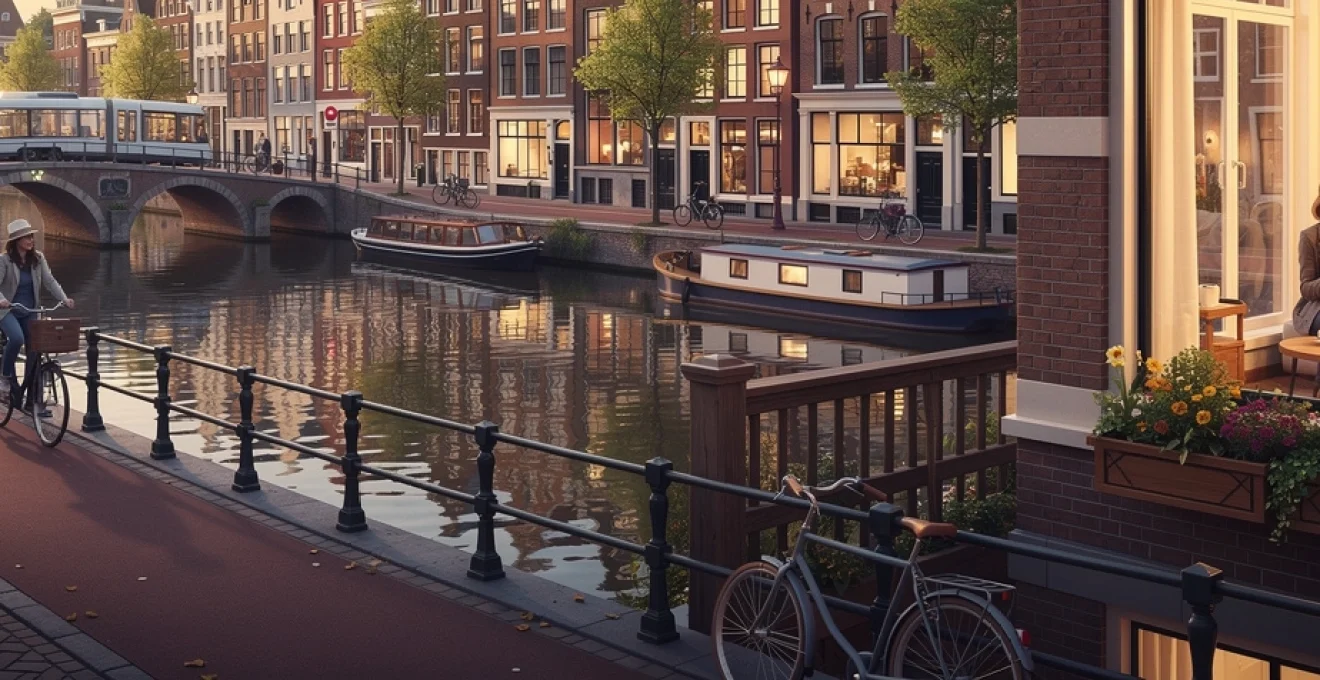
Amsterdam’s iconic canal network creates one of the world’s most distinctive urban landscapes, where centuries-old merchant houses line tranquil waterways through the heart of the city. These historic canal-side apartments offer visitors an unparalleled opportunity to experience authentic Amsterdam living, combining the charm of 17th-century architecture with modern comfort and convenience. From converted merchant mansions along the prestigious Herengracht to cosy canal houses in the artistic Jordaan district, waterfront accommodation provides direct access to the city’s most celebrated attractions whilst offering respite from bustling tourist areas.
The UNESCO World Heritage canal ring, known locally as the Grachtengordel, encompasses over 1,500 historic buildings that have been carefully preserved for future generations. Many of these remarkable structures now serve as unique holiday rentals, allowing travellers to inhabit spaces where Dutch Golden Age merchants once conducted their trade. The gentle lapping of canal water against ancient stone foundations creates a soothing soundtrack for your Amsterdam adventure, whilst original wooden beams and period features transport you back through centuries of Dutch history.
Prime canal districts for waterfront accommodation in amsterdam
Amsterdam’s canal ring comprises four distinct waterways, each offering unique characteristics and accommodation options for discerning travellers. The concentric layout of these canals creates diverse neighbourhoods, from the bustling commercial activity near Central Station to the quieter residential areas towards the Museum Quarter. Understanding the distinct personality of each canal district helps visitors select accommodation that perfectly matches their Amsterdam experience preferences.
Jordaan quarter canal houses along prinsengracht and brouwersgracht
The Jordaan district represents Amsterdam’s most bohemian quarter, where narrow canal houses along Prinsengracht offer intimate waterside accommodation. This former working-class neighbourhood has evolved into a creative hub filled with independent boutiques, art galleries, and traditional brown cafés. Canal-side apartments here typically feature smaller proportions than their grander counterparts on other canals, creating cosy retreats perfect for couples or solo travellers seeking authentic local atmosphere.
Brouwersgracht, often considered Amsterdam’s most beautiful canal, forms the northern boundary of the Jordaan district. Properties along this picturesque waterway command premium prices due to their stunning views and central location. Many Brouwersgracht apartments occupy converted breweries and warehouses, offering unique architectural features such as exposed brick walls and industrial-style windows that flood interiors with natural light reflecting off the canal surface.
Herengracht golden bend historic mansion conversions
The Golden Bend section of Herengracht showcases Amsterdam’s most prestigious canal-side real estate, where 17th-century merchant palaces have been converted into luxury accommodation. These magnificent buildings, constructed during the Dutch Golden Age, feature grand facades, ornate gables, and spacious interiors that reflect the wealth of their original owners. Modern apartments within these historic structures often retain original features such as marble fireplaces, intricate ceiling mouldings, and large windows offering panoramic canal views.
Accommodation along the Golden Bend provides unmatched proximity to Amsterdam’s cultural treasures, with the Rijksmuseum and Van Gogh Museum within comfortable walking distance. The wide tree-lined Herengracht creates a serene atmosphere despite its central location, whilst the substantial size of converted mansion apartments makes them ideal for families or groups seeking spacious luxury accommodation in the heart of Amsterdam’s historic centre.
Keizersgracht emperor’s canal boutique residential properties
Keizersgracht, the widest of Amsterdam’s four main canals, offers an excellent selection of boutique canal-side apartments that balance historic charm with contemporary amenities. The Emperor’s Canal stretches from the bustling Centraal Station area through the elegant Museum Quarter, providing accommodation options across diverse neighbourhoods. Properties here often feature the classic Amsterdam canal house layout, with steep staircases leading to multiple floors and rooms that maximise the narrow canal-front footprint.
The southern section of Keizersgracht passes through the fashionable Nine Streets shopping district, where canal apartments provide immediate access to unique boutiques, vintage stores, and artisanal cafés. Many properties along this stretch have been sensitively modernised to include contemporary kitchens and bathrooms whilst preserving period features such as original wooden
beams, sash windows, and decorative plasterwork. This combination of heritage details and modern comforts makes Keizersgracht particularly attractive for travellers who want a stylish, design-led base while still enjoying the atmosphere of a traditional Amsterdam canal house. For longer stays, look for canal-side apartments that include dedicated workspaces and in-unit laundry, as these features can make a significant difference to your day-to-day comfort.
Singel canal ring authentic dutch townhouse rentals
Singel, the innermost of Amsterdam’s historic canals, once formed the city’s medieval defensive moat and today offers some of the most characterful canal-side apartments in Amsterdam. Townhouse rentals along Singel tend to be slightly smaller and more intimate than those on Herengracht, but they compensate with an authentic neighbourhood feel and easy access to major sights such as Dam Square, the Flower Market, and the bustling Nine Streets. If you’re seeking a central base where you can walk almost everywhere, Singel canal apartments provide unbeatable convenience.
Many Singel properties retain classic Dutch interiors, with steep staircases, compact floor plans, and exposed wooden beams that reveal the age of the building. You may find studio-style flats tucked into former attic spaces, or duplex apartments that cleverly use split levels to maximise space. Because these historic townhouses sit so close to the water, canal views here can feel almost within arm’s reach, giving you a front-row seat to passing boats and the changing light across the water throughout the day.
Compared with more glamorous stretches of the canal belt, Singel remains slightly less polished and more lived-in, which many travellers find appealing. You’ll encounter a mix of long-term residents, students, and visitors, creating a dynamic streetscape that feels distinctly local. When comparing canal-side apartments in Amsterdam, Singel is an excellent choice if you want the full urban experience without sacrificing the charm and history that make the canal ring so special.
Architectural heritage and historic canal house features
Staying in a canal-side apartment in Amsterdam is as much about inhabiting history as it is about location. The canal ring’s architectural heritage dates largely from the 17th century, when merchant families commissioned grand houses that doubled as both residences and business premises. Today, you can still see the fingerprints of this trading past in the layout, materials, and design details of many canal apartments. Understanding these historic features not only enriches your stay, it also helps you evaluate whether a particular property will match your comfort expectations.
Because many canal houses are protected monuments, renovations must strike a careful balance between preserving original features and meeting modern standards of safety and comfort. That’s why you’ll often encounter a blend of antique floors, decorative ceilings, and original staircases alongside discreetly integrated modern bathrooms, insulation, and heating systems. Think of these apartments as living museums that you get to sleep in, where the architecture itself tells the story of Amsterdam’s evolution from a trading powerhouse to a cosmopolitan cultural capital.
17th-century merchant house structural elements and design
Typical 17th-century merchant houses along Amsterdam’s canals share several defining structural elements. Most are tall and narrow, often only a few windows wide at the front, but extending deep into the block with a series of rooms arranged one behind the other. This long, layered layout means that many canal-side apartments in Amsterdam are “front-to-back” units, with living spaces facing the water and bedrooms overlooking interior courtyards or gardens. As a guest, you benefit from this design through bright, view-filled living rooms and quieter, more secluded sleeping areas.
Commercial activity historically took place on the lower floors, while the family lived above, and you can still see traces of this division in many rentals. High-ceilinged “bel-etage” levels with large windows and decorative plasterwork were designed to impress business partners and now make ideal living or dining rooms. Upper levels, sometimes converted attics, tend to be more modest but often feature beautiful exposed roof beams and cosy sloping ceilings. When browsing listings, pay attention to floor plans and descriptions; these can reveal whether an apartment occupies a former grand reception floor or a simpler service level.
One of the most distinctive features you’ll notice is the external hoist beam or gable hook at the top of many canal houses. Because staircases were too steep and narrow for large goods or furniture, merchants used these hooks to lift cargo from boats on the canal directly into storage floors. Some apartments still highlight this feature as a decorative or functional element, with high loft spaces that once stored valuable goods. Staying in such a property gives you a tangible sense of how commerce and domestic life were intertwined along the canals.
UNESCO world heritage canal ring preservation standards
The Amsterdam canal ring’s UNESCO World Heritage status, granted in 2010, imposes strict preservation standards on buildings within the designated area. For visitors choosing canal-side apartments in Amsterdam, this is good news: it means that the historic character of the neighbourhood is actively protected, and insensitive alterations are tightly controlled. Local authorities, property owners, and heritage organisations work together to ensure that renovations respect original facades, rooflines, and structural elements while allowing for necessary modern upgrades.
What does this mean in practice when you book a canal apartment? You’re likely to encounter original windows, staircases, and facades that look much as they did centuries ago, even if interiors have been reconfigured into smaller residential units. Regulations often require that visible elements be restored using traditional materials and methods, preserving the distinctive look of brickwork, stone doorways, and ornate gables. Inside, owners can usually modernise plumbing, electrical systems, and insulation, but major structural changes typically need approval to safeguard the building’s integrity.
UNESCO status also encourages responsible tourism and residential use, aiming to prevent the canal belt from becoming an open-air theme park. As a guest, you are effectively a temporary caretaker of this heritage, and many property owners will share house rules that protect both the building and the neighbours’ quality of life. Respecting noise limits, handling historic fixtures gently, and following guidance on ventilation and window use are small but meaningful ways you can help preserve these extraordinary homes for future visitors.
Traditional dutch gable types and facade classifications
One of the pleasures of staying in a canal-side apartment in Amsterdam is learning to read the city’s iconic gabled facades. Dutch gables were not only decorative; they also communicated the owner’s wealth, status, and sometimes profession. The most common types you’ll see along the canals include the simple stepped gable, the more ornate neck gable, the bell gable with its curved profile, and the richly detailed cornice gable, which became fashionable in the late 17th century. Each style reflects changing tastes and economic fortunes across the Dutch Golden Age.
When you browse listings, you may notice some owners proudly mentioning that their apartment sits in a “neck-gabled” or “bell-gabled” canal house. These terms hint at the architectural pedigree of the property and can signal extra charm on the street-facing side. For instance, a neck gable often features sandstone ornaments and sculpted scrolls, while a bell gable may include decorative cartouches and flourishes that catch the light beautifully at sunset. Choosing a flat in such a building means your arrival each day feels a bit like walking up to a miniature palace.
Facade classifications are not only aesthetic; they also play a role in conservation policy and renovation permissions. Buildings with particularly rare or well-preserved gable types may be listed at a higher level of protection, which can limit external modifications but also ensures their longevity. For you as a visitor, this translates into a visually coherent streetscape where neighbouring houses form a storybook panorama of brick, stone, and ornament. Take a few moments during your stay to look up and compare the gables along your stretch of canal—you’ll quickly start spotting patterns and favourites.
Historic beam systems and wooden foundation characteristics
Beneath the charm of canal-side apartments in Amsterdam lies a complex network of beams, piles, and foundations that have kept these houses standing on soft, waterlogged soil for centuries. Most historic canal houses rest on long wooden piles driven deep into the ground, effectively “floating” the structure on a stable layer of sand below. Over time, these piles can shift or settle, which is why you’ll sometimes notice houses leaning at slight angles or floors that slope gently from one side of a room to the other. This is part of the city’s character rather than a sign of imminent danger, as long as regular structural inspections are carried out.
Inside many apartments, exposed beam systems reveal the building’s age and construction methods. Thick, dark timbers often run across ceilings, sometimes blackened or polished by centuries of use. You may also see joists and support beams in basements or loft spaces, where owners have chosen to leave the structure visible as a design feature. These beams once carried the weight of heavy goods stored above the waterline, so they are typically robust, though modern reinforcements are often hidden behind plaster or insulation layers.
From a practical standpoint, historic beams and wooden foundations can influence comfort and maintenance. Old timber tends to creak underfoot, and sound insulation between floors may be less effective than in modern buildings, which is worth keeping in mind if you are sensitive to noise. Humidity control is also important to protect wood from moisture, so you may find dehumidifiers or ventilation guidance in your canal apartment. Think of the building as a finely tuned wooden ship—solid and seaworthy, but still requiring care and respect from everyone on board.
Canal-adjacent amenities and local infrastructure
One of the biggest advantages of choosing canal-side apartments in Amsterdam is immediate access to a dense network of amenities, services, and cultural institutions. Because the canal belt forms the city’s historic core, you are rarely more than a few minutes’ walk from supermarkets, bakeries, cafés, and public transport stops. Many canal houses are just around the corner from neighbourhood squares, such as Leidseplein, Rembrandtplein, or Nieuwmarkt, where you’ll find tram connections, bike rentals, and lively terraces.
Daily life is remarkably convenient: you can pick up fresh bread and cheese in the morning, stroll to a nearby market or museum, and return home via a scenic canal-side route. Pharmacies, small convenience stores, and speciality shops are scattered throughout the canal ring, meaning you won’t need to travel far for essentials. If you’re planning a longer stay, look for apartments near larger supermarkets on or just off the canals, which can make self-catering much easier and more economical.
For travellers who value wellness and outdoor space, the canal zone also connects smoothly to green areas such as Vondelpark and the smaller pocket parks dotted around the centre. Jogging or walking along the water in the early morning offers a different perspective on the city, before tour boats and day-trippers arrive. At night, well-lit bridges and pavements provide a pleasant, walkable environment, although you should always remain mindful of cyclists and tram tracks when exploring after dark.
Seasonal canal living experience and weather considerations
The experience of staying in a canal-side apartment in Amsterdam changes noticeably with the seasons, much like living in a lakeside cabin versus a ski chalet. In spring and summer, long daylight hours and mild temperatures encourage you to keep windows open, watch boats glide by, and perhaps enjoy a drink on a small balcony or shared terrace. Trees along the canals burst into leaf, softening the brick facades and adding a vibrant green canopy to your waterfront view. These months are ideal if you want a lively atmosphere, bustling streets, and easy access to outdoor festivals and events.
Autumn and winter bring a different kind of magic, with mist rising from the water in the early mornings and warm light spilling from townhouse windows at dusk. While rain and wind are common, canal apartments are typically well-heated, and many feature thick masonry walls that retain warmth. Imagine returning from a chilly walk along Prinsengracht to your cosy living room, where you can watch reflections of streetlights ripple across the canal. If you’re visiting in the colder months, pack layers and waterproof shoes so that you can fully appreciate the city’s atmosphere without worrying about the weather.
Seasonality also influences pricing and availability. Peak summer periods and holidays such as King’s Day or major conferences tend to drive up demand for canal-side apartments in Amsterdam, especially those with premium views or terraces. Shoulder seasons—late spring and early autumn—often provide a good balance between favourable weather and more moderate rates. In winter, you may find excellent deals on spacious canal apartments, making it an attractive time for longer stays or remote work trips. Whatever the season, it’s wise to check heating, ventilation, and window specifications in the listing to ensure your comfort aligns with the typical weather during your visit.
Transportation connectivity from canal-side properties
Despite their historic appearance, canal-side apartments in Amsterdam are usually extremely well connected to the rest of the city and beyond. The canal ring effectively wraps around Amsterdam Centraal Station and radiates out towards major transport hubs, meaning trams, buses, and metro lines are almost always within walking distance. Because the city is compact, journeys rarely take more than 20–30 minutes, even when crossing from one side of the centre to the other. This makes waterfront accommodation a practical choice not only for leisure travellers but also for business visitors who need reliable access to meeting venues or corporate offices.
When assessing a potential rental, it’s useful to check its walking distance to the nearest tram or metro stop, as well as how quickly you can reach Central Station or Zuid Station for regional and international connections. Many listings will mention proximity to specific lines or stations, but a quick check on an online map or local transport app can give you a clearer picture. If you plan to rely primarily on public transport, you might prioritise canals like Singel and Herengracht near Dam Square, which sit close to multiple tram routes, or locations near Leidseplein and Rembrandtplein, where several lines intersect.
Tram line access from waterfront locations to central station
Tram connectivity is one of the key factors that makes canal-side apartments in Amsterdam so practical. Major routes radiate outward from Central Station, passing close to or directly along the canal ring at multiple points. For instance, trams running via Dam Square, Spui, and Leidseplein effectively trace a loop around the historic centre, allowing you to hop on a line that brings you back to Centraal in a matter of minutes. If your apartment is on or near Herengracht, Keizersgracht, or Singel, chances are you are no more than a five- to eight-minute walk from a useful tram stop.
For business travellers or those catching early trains, this proximity can make a real difference. You can leave your canal apartment, stroll across a bridge, and board a tram that takes you directly to Central Station without the need for taxis. Some properties near the eastern and southern sections of the canal ring also benefit from nearby metro stations, such as Rokin, Vijzelgracht, or Weesperplein, which link quickly to Amsterdam Zuid and the Zuidas business district. When you review rental listings, consider searching for the names of nearby tram and metro stops; doing so can give you a realistic sense of everyday commuting time.
Because Amsterdam’s public transport system is integrated, you can use the same contactless card or ticket for trams, buses, and metro lines. This makes it easy to combine modes if, for example, you walk or cycle from your canal-side apartment to a tram stop, then change to the metro for a longer journey. Think of the canals as scenic corridors that run parallel to this transit network—while boats glide along the water, trams hum along the adjacent streets, providing a reliable backbone for urban mobility.
Canal boat tours and water taxi services from residential areas
Living beside the water naturally invites you to use it, and many canal-side apartments in Amsterdam put you just steps away from boat tours and, in some areas, private water taxi services. Public and private operators run cruises from key departure points around the canal ring, such as near Centraal Station, Anne Frank House, and the Rijksmuseum. While these are often marketed to tourists, they can also be a convenient way for you to orient yourself during the first day of your stay, offering a relaxed overview of the city’s layout straight from the water.
In recent years, flexible “hop-on hop-off” canal boat services have expanded, allowing you to treat the water a bit like a scenic bus route. Some passes let you board and disembark near major canal junctions close to residential areas, which can be particularly appealing if you’re staying for a week or more and want an alternative to trams or cycling. Although water taxis are generally more expensive than land-based options, they can be worthwhile for special occasions, late-night returns, or small groups who value door-to-door service.
Do you plan to explore beyond the core canal ring? Many longer boat excursions depart from the same docks, offering trips to the IJ River, historic harbour areas, or even nearby villages. While you wouldn’t rely on boats as your sole mode of transport, incorporating water-based travel into your itinerary adds an extra layer of authenticity to your canal-side living experience—rather like using gondolas in Venice or ferries in Stockholm.
Bicycle infrastructure along historic waterways
Bicycles are arguably the most iconic feature of daily life in Amsterdam, and staying in a canal-side apartment places you right on some of the city’s most scenic cycling routes. Many canal streets have designated bike lanes or shared low-speed traffic zones, allowing you to ride safely alongside the water and cross picturesque bridges as part of your everyday journeys. If your rental does not include bikes, you’ll usually find several rental shops within a short walk, particularly near squares like Leidseplein, Rembrandtplein, and Nieuwmarkt.
The canal ring functions like a grid, with cross-streets and bridges linking one waterway to another, so cycling between neighbourhoods is remarkably intuitive. You might, for example, ride from your apartment on Keizersgracht to Jordaan in under ten minutes, or from Singel to Vondelpark in a similar time. Dedicated bike parking racks line most canal streets, and many historic properties have ground-floor storage areas or courtyards where you can safely lock your bicycle. If you’re not an experienced cyclist, consider starting with quieter side canals or riding early in the day when traffic is lighter.
Because bikes, cars, trams, and pedestrians all share limited space, it’s important to familiarise yourself with local cycling etiquette. Always yield to trams, signal your turns clearly, and avoid stopping in the middle of bike lanes to take photos of the canals—tempting as that may be. Once you get the hang of it, using a bike from your canal-side apartment can feel a bit like having your own key to the city, unlocking hidden streets, local cafés, and viewpoints that you might otherwise miss.
Booking platforms and rental property selection criteria
With hundreds of canal-side apartments in Amsterdam listed across various platforms, choosing the right one can feel a little overwhelming. The key is to approach your search with the same care you would use when selecting a long-term home: consider not only aesthetics, but also location, building type, access, and amenities. Well-chosen canal accommodation can transform your visit, giving you a comfortable, characterful base from which to explore, work, or simply watch life unfold along the water.
Before you start browsing, it helps to clarify your priorities. Are you looking for a romantic attic studio with beams and a canal view, or a family-friendly apartment with an elevator and multiple bedrooms? Do you need a dedicated workspace, strong Wi-Fi, or proximity to specific institutions like the RAI Convention Centre or the Zuidas? By aligning your criteria with the realities of historic canal houses—such as steep stairs, occasional street noise, and heritage restrictions—you can filter your options more efficiently and avoid surprises on arrival.
Airbnb canal house verification and authenticity markers
On global platforms like Airbnb, many hosts highlight the unique qualities of canal-side apartments in Amsterdam, but how can you distinguish genuinely historic properties from generic flats with a water view? One useful approach is to look for authenticity markers in both the photos and the description. Interior images showing original beams, narrow staircases, sash windows, or traditional gable views from upper floors often indicate a true canal house rather than a modern building set back from the water. Descriptions that reference specific canals—such as Herengracht, Keizersgracht, Prinsengracht, or Singel—also help pinpoint the location within the official canal ring.
Some listings may mention municipal monument status (rijksmonument or gemeentelijk monument), which signals formal heritage protection, or refer to the building’s construction date in the 17th or 18th century. Verified “Superhost” status and consistently high ratings for accuracy, location, and cleanliness provide additional reassurance that the property matches its description. Pay particular attention to reviews that mention details like stair steepness, noise levels, and heating effectiveness; previous guests’ experiences can tell you more about day-to-day comfort than photos alone.
While many hosts are passionate caretakers of these historic homes, not all listings are equally transparent. If you’re unsure about an aspect of the property—such as elevator access, number of steps, or whether windows open directly over the canal—don’t hesitate to send a polite message before booking. Think of this as a brief pre-rental “inspection,” ensuring that the romantic idea of a canal-side stay aligns with the practical realities of the specific apartment you’re considering.
Local amsterdam rental agencies specialising in historic properties
If you prefer a more curated approach, local Amsterdam rental agencies that specialise in historic properties can be an excellent resource. These agencies often have long-standing relationships with canal house owners and can provide detailed information on building layouts, access, and heritage constraints. Because they visit the properties regularly, they are well-placed to advise you on which canal-side apartments in Amsterdam best suit your needs, whether you’re planning a short city break or a month-long work assignment.
Working with a local agency can also simplify practical matters such as check-in, maintenance, and emergency support. Many offer multilingual customer service, clear tenancy agreements, and housekeeping or linen services tailored to longer stays. While agency-managed apartments sometimes carry a slight price premium compared with peer-to-peer platforms, the added transparency and professional oversight can be reassuring—especially if you’re travelling with family or have specific accessibility requirements.
When researching agencies, look for those that explicitly mention the canal belt, Grachtengordel, or specific canal names in their portfolios. Check independent reviews and, if possible, ask for recent photos or virtual tours of the properties that interest you. An agency that understands both the charm and the quirks of canal houses will be honest about factors like steep stairs, minor floor sloping, or occasional street noise, enabling you to make an informed decision.
Property documentation and heritage status confirmation
Because the canal ring is such a heavily protected area, property documentation and heritage status can play a meaningful role in your selection process, especially for longer stays. Some owners and agencies provide basic documentation about the building’s age, monument classification, and recent renovation history. This might include references to the national monument register, local planning approvals, or certificates relating to fire safety and structural inspections. While you don’t need to become a heritage expert to book an apartment, being aware of these elements can help you understand why certain features—like original windows or narrow staircases—remain in place.
If heritage authenticity is a priority for you, consider asking hosts or agents whether the property is listed as a rijksmonument (national monument) or gemeentelijk monument (municipal monument). Such designations indicate that the building has recognised cultural or architectural value and is subject to preservation rules. In many cases, monument status correlates with especially interesting interiors, such as decorative ceilings, historic fireplaces, or grand stairwells, though day-to-day comfort still depends on the quality of recent renovations.
On the other hand, if you have mobility concerns or simply prefer more modern infrastructure, you might intentionally choose a non-listed building on the canal, or a recently constructed property just behind the main waterfront. These can offer elevators, wider corridors, and more standardised layouts while still giving you quick access to the canals themselves. By paying attention to property documentation and heritage status, you can strike the right balance between authenticity, comfort, and practicality for your own ideal Amsterdam canal-side stay.